
Triund Trek, Himachal Pradesh
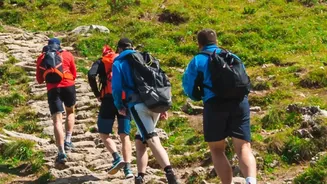
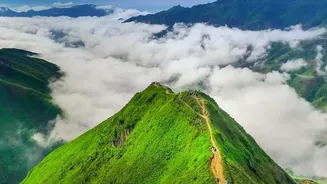
Often called the crown jewel of Dharamshala, the Triund trek is a perennial favourite and one of the most popular introductions to Himalayan trekking. Starting from near McLeod Ganj, this short and accessible trail offers one of the best effort-to-reward
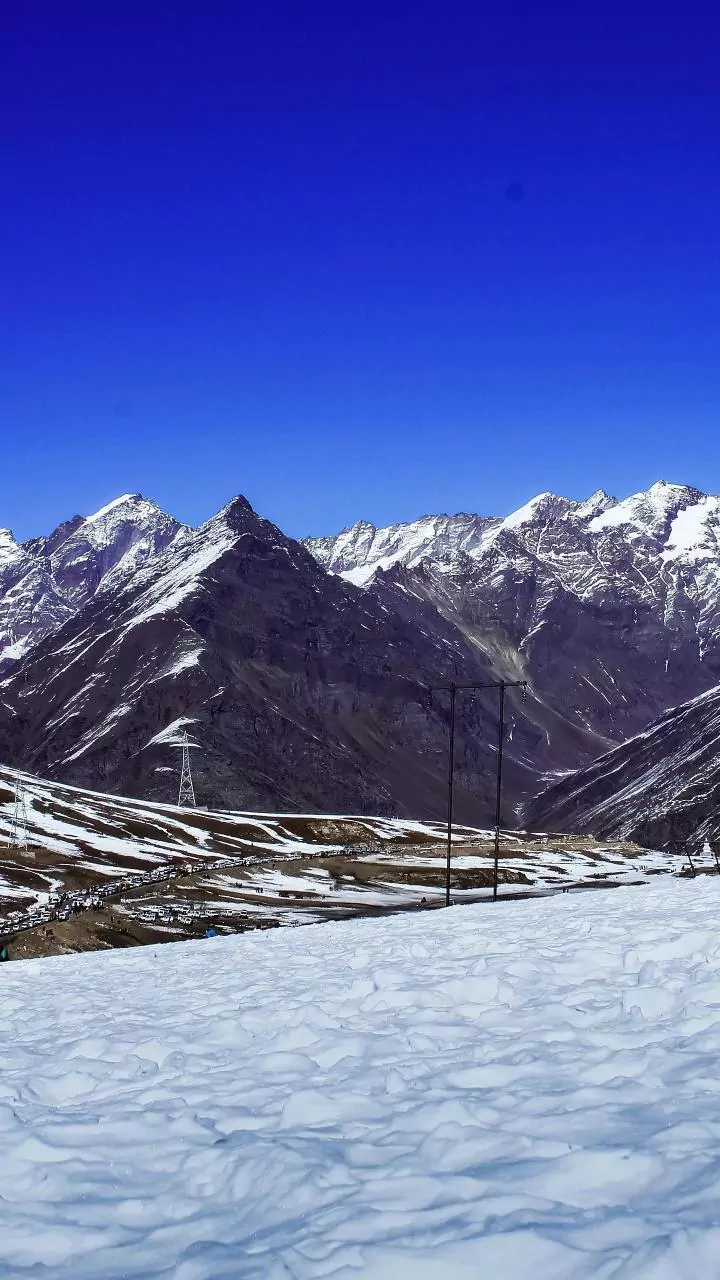
ratios. The trek is about 9 kilometres one way and can be completed in 4-6 hours, making it an ideal weekend adventure. The path winds through beautiful oak, deodar, and rhododendron forests before opening up to the main event: the Triund ridge. This large, grassy meadow sits at an altitude of about 2,850 metres. The final stretch, known as the '22 Bends', is steep, but the panoramic view from the top is well worth the effort. You are greeted with a stunning, close-up view of the Dhauladhar range, including the prominent Mun Peak. It's an easy-to-moderate trek, with most of the trail being a gradual incline. The best times to go are from March to June and September to December, avoiding the monsoon and extreme winter snow.
Nag Tibba Trek, Uttarakhand
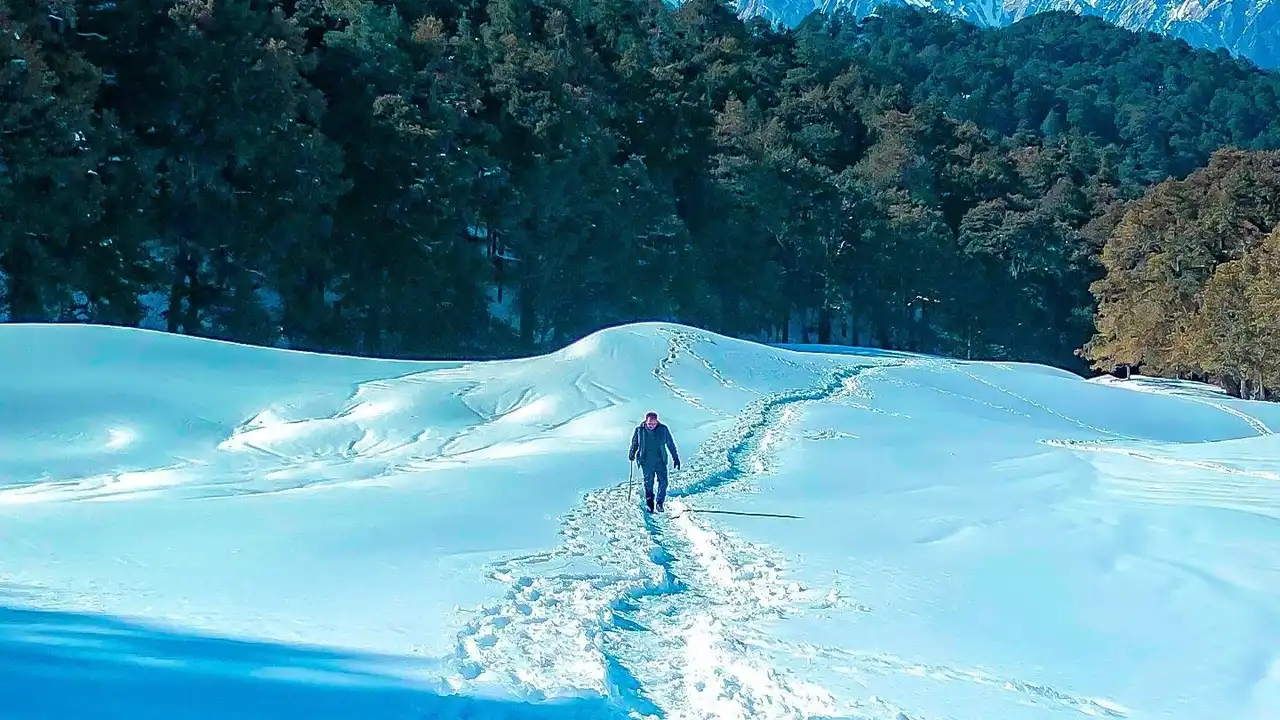
Known as the best weekend trek from Delhi, Nag Tibba, or 'Serpent's Peak', is perfect for those short on time but high on ambition. This two-day trek is incredibly accessible and offers a fantastic glimpse into the Garhwal Himalayas. The trail itself is rated easy to moderate, with a manageable distance of about 8-10 km to the summit. The trek starts from villages like Pantwari and takes you through dense forests. A key highlight is the Nag Tibba base camp, a large clearing with a temple dedicated to the serpent god, from where you get wonderful views of the surrounding peaks. The final push to the summit at 9,915 feet involves some steep sections but rewards you with a 360-degree view of Himalayan peaks like Bandarpoonch, Swargarohini, and the Gangotri group. Because it doesn't reach extreme altitudes, it’s a great option year-round. In winter (December to February), it transforms into a magical snow trek, making it one of the few accessible winter trails for beginners.
Kedarkantha Trek, Uttarakhand
If your dream is to trek in the snow, Kedarkantha is the answer. Widely regarded as one of the best winter treks in India, it is surprisingly beginner-friendly. The trek, located within Govind Pashu Vihar National Park, is generally rated easy to moderate. The journey takes about 4 to 6 days, starting from the village of Sankri. The trail is well-defined, ascending through dense pine forests, past frozen lakes like Juda-ka-Talab, and across snowy clearings. Reaching a height of 12,500 feet, the summit offers a breathtaking 360-degree panorama of famous Himalayan ranges, including the Yamunotri and Gangotri peaks. While the winter months (December to April) are most popular for their picture-perfect snowscapes, the trek is also beautiful in summer and autumn with lush meadows and clear skies. The gradual ascent and manageable daily distances make it a rewarding challenge for fit beginners.
Dayara Bugyal Trek, Uttarakhand
For those who envision trekking across vast, rolling green meadows, the Dayara Bugyal trek is a dream come true. 'Bugyal' means 'high-altitude meadow' in the local language, and Dayara is considered one of the most beautiful in the Himalayas. This trek is rated easy to moderate and is perfect for families and first-timers. The journey typically takes 4-5 days, starting from the village of Raithal or Barsu. The trail guides you through enchanting oak and rhododendron forests before opening up to the expansive meadows at an altitude of around 12,000 feet. The highlight is simply walking across these stunning grasslands, with panoramic views of majestic peaks like Bandarpoonch and Black Peak. In winter, these meadows are covered in a thick blanket of snow, turning it into a fantastic snow trek. The best seasons are from May to June and September to October for lush greenery and clear views.
Valley of Flowers Trek, Uttarakhand
A UNESCO World Heritage Site, the Valley of Flowers is a legendary trek that offers a truly unique and colourful experience. This trail is best visited during the monsoon months of July and August when the valley explodes into a vibrant carpet of countless species of alpine flowers. The trek is considered moderate in difficulty, primarily due to the distances covered and the altitude. The journey begins from Govindghat, with Ghangaria serving as the base for exploring the valley. The actual valley is a gentle 4-5 km walk from Ghangaria on a relatively flat trail. While the ascent to Ghangaria can be demanding, the reward is an ethereal landscape unlike any other in the Himalayas. It’s a trek that appeals not just to adventurers but also to photographers and nature lovers. A good level of fitness is required, but the sheer beauty makes it an unforgettable first Himalayan experience.