

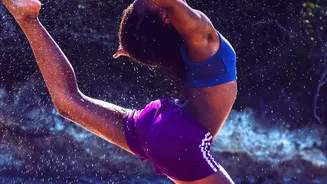
Yoga: The Path of Mindful Stillness
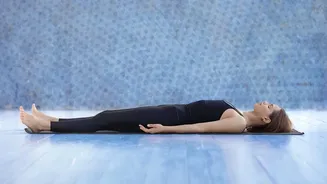
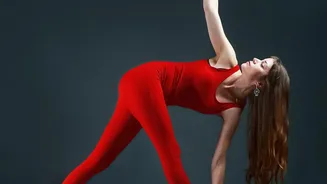
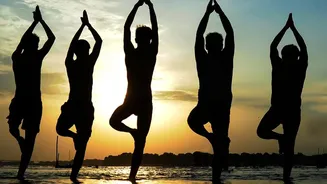
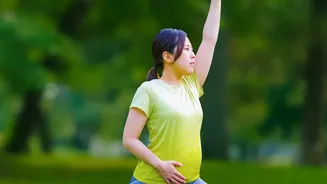
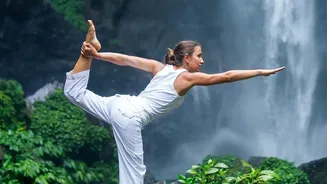
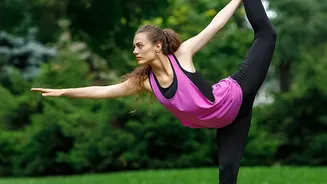
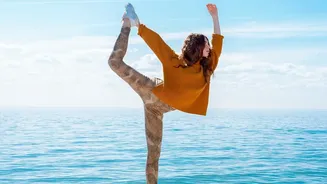
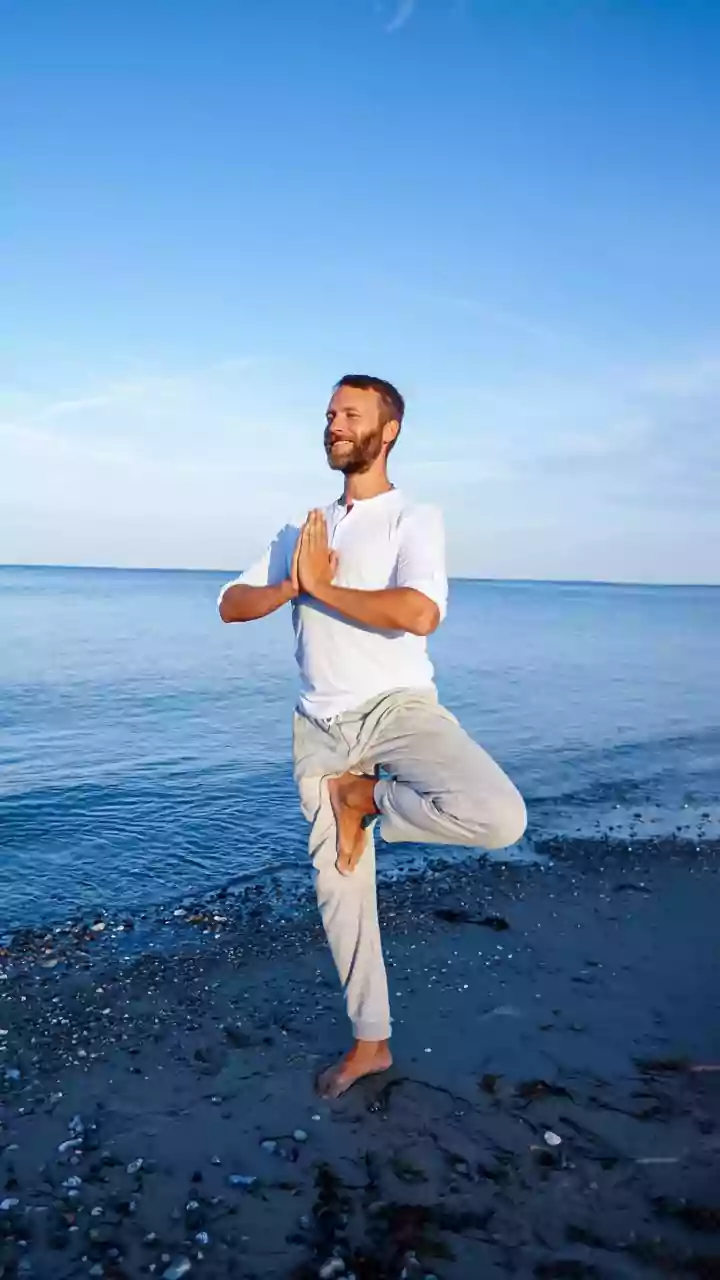
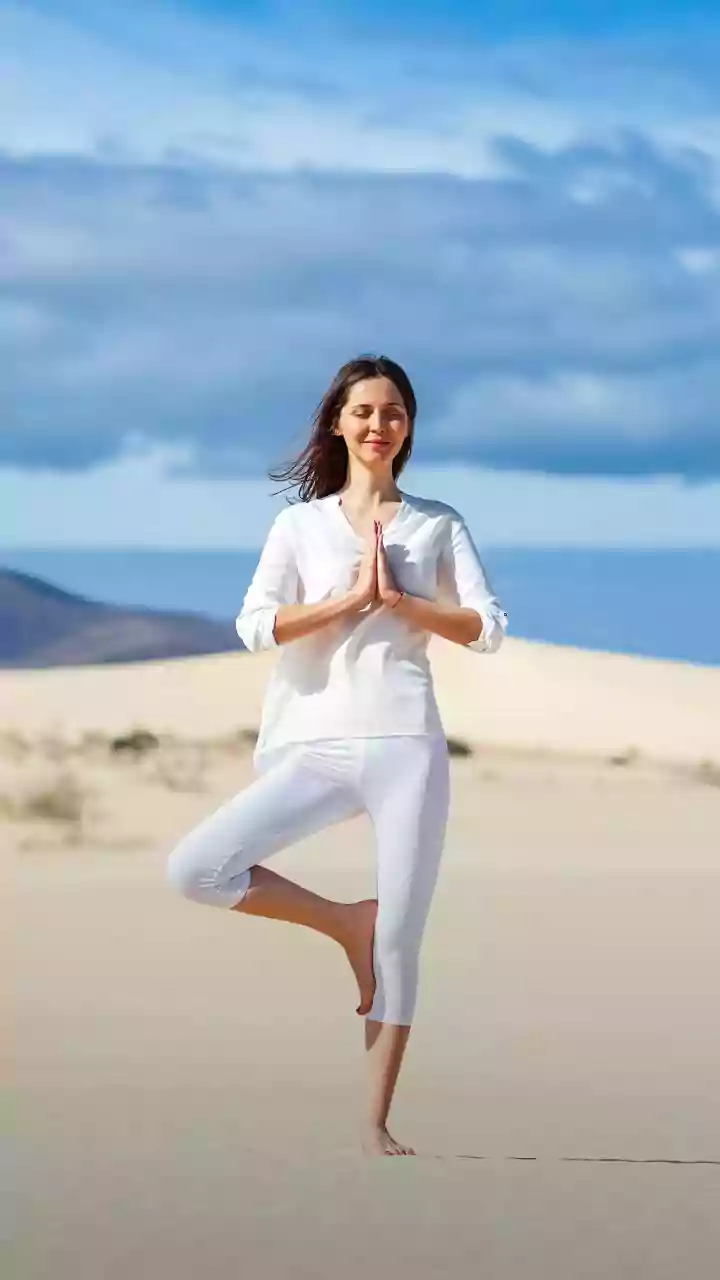
Yoga is an ancient practice centred on harmonising the mind and body. Its core components are physical postures (asanas), controlled breathing techniques (pranayama), and meditation. The primary goal is not just physical fitness but also mental clarity
and nervous system regulation. By focusing on the breath and holding poses, yoga encourages practitioners to turn inward, fostering a deep awareness of the body's sensations and calming the constant churn of thoughts. This practice is known to activate the parasympathetic nervous system, our 'rest-and-digest' state, which helps lower cortisol levels, reduce blood pressure, and create a sense of profound calm. Styles range from gentle, restorative practices that emphasize deep relaxation to more physically demanding vinyasa or ashtanga flows that build heat and strength. Regardless of the style, the undercurrent is one of mindfulness, making it an excellent choice for stress reduction, increased flexibility, and building a stronger mind-body connection.
Dance: The Joy of Rhythmic Energy
Dance, in its many forms, is an expressive and often high-energy workout that prioritises cardiovascular health and joyful movement. From the structured routines of Zumba to the free-form expression of contemporary, dance leverages music and rhythm to make exercise feel less like a chore and more like a celebration. The physical benefits are significant: it's a powerful cardio workout that improves heart health, endurance, coordination, and balance. A high-intensity dance session like Zumba can burn a substantial number of calories, making it effective for weight management. But the advantages aren't just physical. The act of dancing releases endorphins, the brain's 'feel-good' chemicals, which naturally boosts mood and reduces stress. For many, the focus required to learn choreography or simply move to a beat provides a mental escape, quieting anxious thoughts by demanding full presence in a fun, social context.
Calming the Mind: Introspection vs. Expression
Both yoga and dance are effective tools for managing stress, but their mechanisms differ. Yoga addresses mental wellness from the inside out. Through meditation, breathwork, and a focus on internal sensations, it teaches you to observe your thoughts without judgment and actively calms the nervous system, which can help reduce emotional reactivity. Studies show that consistent practice can increase levels of GABA, a neurotransmitter that plays a key role in reducing anxiety. Dance offers a more cathartic release. It provides an outlet for expressing emotions physically and shifts focus away from internal worries toward the external joy of music and movement. The rhythmic, repetitive nature of dance can be meditative in its own right, creating a 'flow state' where the mind is too engaged to ruminate on daily stressors. While yoga calms by going inward, dance calms by letting it all out.
Fitness Goals: Flexibility or Cardio?
When it comes to physical fitness, your choice may depend on your primary goal. Dance is generally a more powerful cardiovascular powerhouse. High-energy styles provide a vigorous workout that strengthens the heart and lungs, improves stamina, and burns more calories per session than most yoga classes. Yoga, on the other hand, excels at developing flexibility, balance, and functional strength. The practice moves joints through their full range of motion, which can alleviate stiffness and prevent injury. While some dynamic yoga styles like Power Yoga do offer a significant cardio challenge, the practice's main strength lies in building lean muscle, enhancing posture, and improving body awareness in a controlled, low-impact manner. For a well-rounded routine, many find that the two practices complement each other perfectly—dance for the heart-pumping cardio and yoga for recovery, flexibility, and strength.