




The Hallyu Wave and 'Glass Skin'
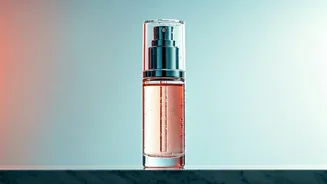
It began as a ripple and is now a cultural tide. The Hallyu, or Korean Wave, has brought more than just K-pop and K-dramas to Indian shores; it has imported an entire aesthetic. Central to this is the ideal of 'glass skin'—a complexion so luminous, dewy,
and clear that it appears translucent. As Indians binged on shows like 'Crash Landing on You' and 'Vincenzo', they were also exposed to actors with impossibly flawless skin. This visual influence created a powerful aspiration. Unlike Western beauty standards that often focus on matte finishes and heavy coverage, the K-beauty look champions healthy, hydrated skin as the ultimate foundation. This resonated deeply with a new generation of consumers who were looking for authenticity over concealment.
Science Meets Gentle Rituals
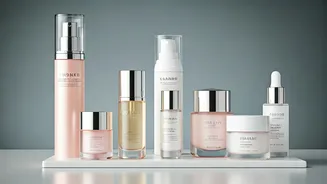
So, what makes Korean skincare so different? It’s a philosophy rooted in prevention rather than cure. The focus is on gentle, hydrating, and protective formulas, often built around innovative but soothing ingredients. Think snail mucin for repair, cica (Centella Asiatica) for calming inflammation, rice water for brightening, and fermented ingredients for better absorption. This approach feels both scientific and holistic. For Indian consumers, this isn't entirely foreign. The idea of a multi-step, ritualistic approach to self-care aligns with traditional wellness practices. What K-beauty offers is a modern, product-driven way to engage in this ritual, backed by impressive R&D. The famous 10-step routine might seem daunting, but it's really a menu of options—double cleansing, toning, applying essences, serums, and masks—that encourages users to understand their skin and tailor a routine that works for them.
The Digital Shelf and Accessibility
For years, K-beauty products were the stuff of legend, available only through friends travelling abroad or on obscure websites. The game changed with the rise of Indian beauty e-commerce giants. Platforms like Nykaa, Maccaron (a specialist K-beauty platform), Tira Beauty, and even Amazon have become the primary conduits for this trend. They not only made brands like COSRX, Innisfree, The Face Shop, and Beauty of Joseon easily accessible but also invested heavily in educating the consumer. Through detailed product descriptions, influencer collaborations, and customer reviews, they demystified complex ingredients and routines. This digital ecosystem created a community of informed buyers who could research, compare, and share their experiences, turning a niche interest into a mainstream movement. The ability to get a cult-favourite serum delivered to a Tier-2 city in days has been a revolutionary force.
Adapting for the Indian Context
A common question is whether products designed for Korean weather and skin types work in India's diverse climate. The answer, overwhelmingly, seems to be yes, with some intelligent adaptations. The core principles of hydration and sun protection are universal. Indian consumers have become adept at picking products that suit their specific needs—lighter, gel-based moisturisers for humid climates, and targeted serums for concerns like hyperpigmentation, which is common in Indian skin. The industry is responding, too. We're now seeing K-beauty brands formulate with Indian conditions in mind, and more importantly, Indian brands are launching their own lines inspired by K-beauty formulations, blending ingredients like cica and niacinamide with traditional Indian botanicals like turmeric and ashwagandha. This hybrid approach signals a maturing market where consumers want the best of both worlds.