







The Rise of the Robot Mentor
Artificial intelligence is rapidly changing the professional landscape, and career development is no exception. A new suite of AI-powered tools now acts as on-demand career coaches, available 24/7 from your laptop. These platforms can analyse your resume
against job descriptions, suggest career paths based on your skills, and even conduct mock interviews to help you prepare. For a low cost, or sometimes even for free, users can get instant feedback and data-driven suggestions that were once only available through expensive coaching sessions. This accessibility has democratised career guidance, putting powerful planning tools into the hands of millions.
Where AI Excels: Data and Speed
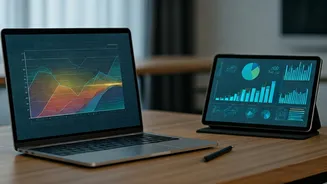
The primary strength of an AI career coach lies in its ability to process massive amounts of data with incredible speed. These tools can scan millions of job postings, salary benchmarks, and industry trends to give you a clear view of the job market. They are masters of optimisation, able to identify the exact keywords needed to get your resume past automated screening systems (ATS). AI can perform a skill-gap analysis, comparing your current abilities to those required for a target role and suggesting courses to fill the gaps. This is the “science” of career planning: objective, data-driven, and highly efficient. An AI tool never gets tired, doesn’t require an appointment, and can offer a logical starting point for your career transition in minutes.
The Irreplaceable Human Element
For all its analytical power, AI lacks the essential qualities that define human connection. It cannot offer genuine empathy, understand the nuances of workplace politics, or provide accountability with a supportive nudge. An algorithm can't read your body language during a practice interview or hear the hesitation in your voice when you discuss a potential career change. Human coaches excel in providing contextualised feedback based on lived experience. They can help you navigate complex decisions, such as negotiating a promotion or dealing with a difficult manager, which require a level of judgment AI has yet to achieve. Furthermore, a human coach can leverage their personal network to make introductions, an advantage no AI can replicate.
Building Your Hybrid Strategy
The most effective approach is not to choose between AI and a human coach, but to use them in tandem. Think of AI as your personal research analyst and a human coach as your trusted strategist. This hybrid model allows you to leverage the best of both worlds. Use AI tools for the foundational work: brainstorming career paths, drafting your resume, identifying skill gaps, and researching companies. This prepares you to make the most of your time with a human expert. Instead of spending a costly session on basic discovery, you can arrive with data-driven insights and focus on the deeper, more strategic questions.
Putting It All Into Practice
So what does this look like in reality? Start by feeding your details into an AI resume optimiser. Then, take the AI-generated resume to your human coach. Ask them, “The AI suggested these keywords, but does this sound like me? Does it reflect my true value?” Use an AI platform to identify five potential career paths. Then, discuss those paths with a mentor or coach to understand the day-to-day reality and cultural fit of each role—something AI can't tell you. The AI provides the data; the human provides the context. This collaborative process ensures your career decisions are not only informed by market trends but also aligned with your personal values and ambitions.