



The Rise of Puffed Grains
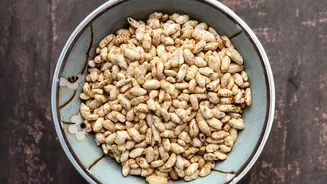
Puffed grains are no longer just for breakfast cereals. They have become a popular base for snacks, granola, and healthy treats, prized for their airy texture and satisfying crunch. The puffing process, which involves heating the grain under pressure,
causes it to expand, creating a low-density food. This means you can enjoy a larger volume for fewer calories compared to denser snacks, which is great for mindful eating. While traditionally associated with rice, the technique is now applied to a variety of grains, including quinoa, offering consumers more choices than ever.
Nutritional Showdown: Tale of the Tape
When placed side-by-side, the nutritional differences between quinoa puffs and puffed rice are significant. Puffed quinoa is a nutritional powerhouse. It is a complete protein, meaning it contains all nine essential amino acids. A 100-gram serving of puffed quinoa can contain around 14-15 grams of protein and about 7 grams of fiber. In contrast, puffed rice is much lower in both categories, offering minimal protein and fiber. However, puffed rice has its own advantage: it's very low in calories. A standard serving of puffed rice has about half the calories of a similar portion of cooked quinoa, making it a viable option for those strictly controlling calorie intake.
The Protein and Fiber Advantage
For those focused on building muscle, staying full longer, or improving digestion, quinoa puffs are the clear winner. The high protein content supports muscle repair and growth, while the fiber promotes satiety, helping to prevent overeating. Puffed rice, on the other hand, is mostly a source of simple carbohydrates that provide quick energy but little sustained nourishment. Its low fiber content means it's less effective at keeping you feeling full. While both are plant-based, quinoa's complete amino acid profile gives it an edge that's hard to ignore for anyone prioritising nutrient density.
A Question of Gluten
Both quinoa and rice are naturally gluten-free grains, making their puffed versions excellent choices for individuals with celiac disease or gluten sensitivity. However, the key is to always check the packaging. Cross-contamination can occur if the grains are processed in facilities that also handle wheat, barley, or rye. Reputable brands will typically certify their products as gluten-free, so a quick label check is all that’s needed for peace of mind.
Impact on Blood Sugar
The glycemic index (GI) measures how quickly a food raises blood sugar levels. Puffed rice has a high glycemic index, meaning it is digested quickly and can cause a rapid spike in blood sugar. This makes it less ideal for individuals with diabetes or those trying to maintain stable energy levels. Quinoa has a moderate glycemic index. The protein and fiber in quinoa help to slow down the absorption of carbohydrates, leading to a more gradual increase in blood sugar. This makes puffed quinoa a better choice for managing blood sugar and sustaining energy throughout the day.
Taste, Texture, and Use
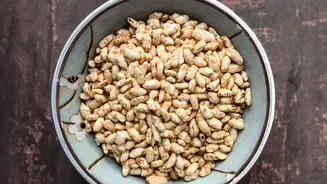
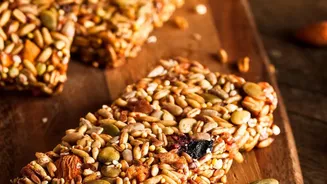
Puffed rice has a very light, airy texture and a neutral, slightly sweet flavour, making it a versatile ingredient in treats like marshmallow squares or as a simple breakfast cereal. It readily absorbs the flavours of whatever it's mixed with. Puffed quinoa has a more distinct, nutty flavour and a denser, crunchier texture that holds up better in liquids like milk or yogurt. It’s a great topping for salads, smoothie bowls, or used in homemade granola bars where you want to add both crunch and nutritional substance.