


The Perfect Cosmic Recipe
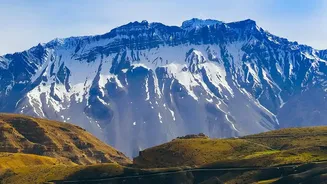
What makes Spiti a stargazer's paradise isn't just one factor, but a unique combination of three. First is its altitude, with most villages sitting above 12,000 feet. This height places you above a significant portion of the Earth's atmosphere, which
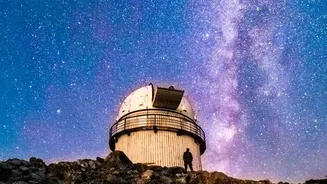
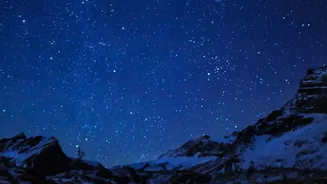
otherwise distorts and blurs the light from distant stars. Second, Spiti is a cold desert located in a rain shadow, meaning it receives minimal rainfall and has very low humidity. This results in exceptionally dry, crisp air, offering crystal-clear views for more than 250 nights a year. Finally, its remote location and sparse population mean there is virtually no light pollution, allowing the night sky to reveal its full glory, from the dense band of the Milky Way to faint constellations invisible from cities.
More Than Just a Dark Sky
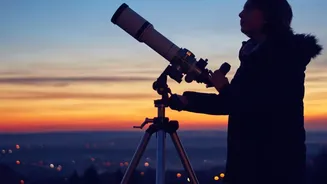
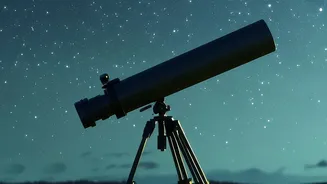
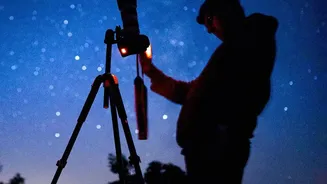
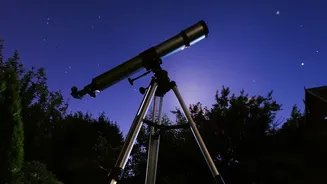
While other locations in India, like Hanle in Ladakh, boast an official Dark Sky Reserve, Spiti's approach is carving out a unique niche. The movement here is deeply rooted in community empowerment. In July 2025, the Himachal Pradesh government launched a formal astro-tourism initiative in Kaza, the valley's main town. This project, a collaboration between the government and scientific institutions like the Indian Institute of Astrophysics, focuses on training local youth and homestay owners to become astronomy guides. They have been equipped with high-end computerized telescopes to offer guided night-sky tours, turning a natural advantage into a sustainable livelihood. This ensures that the economic benefits of tourism flow directly into the community.
Celestial Wonders on Display
For visitors, the experience is nothing short of magical. On a clear, moonless night in Spiti, the Milky Way is not a faint smudge but a brilliant, structured band of light stretching across the sky, so bright it can be seen with the naked eye. Villages like Langza, Komic, and Kibber have become famous among enthusiasts. Langza, with its iconic Buddha statue, provides a stunning silhouette against the cosmos. The area around Chandratal, the 'Moon Lake', offers breathtaking reflections of the star-dusted sky on its still waters. Beyond the major sights, the simple act of stepping away from a village homestay after 9 PM reveals a pitch-black environment where your eyes can adapt to see the universe in a way that feels deeply personal and profound.
Planning Your Cosmic Journey
The prime time for an astro-trip to Spiti is from May to September. During these months, the weather is relatively mild, and the skies are at their clearest, offering peak visibility of the Milky Way. Kaza serves as the main base for most travellers and is home to the government's official stargazing facility. Numerous tour operators and local homestays now offer specialised astro-tourism packages that include guided sessions. However, visitors must be mindful of acclimatising to the high altitude, which can cause headaches and fatigue. Experts advise taking it slow and allowing your body to adjust. It's also recommended to use a red-light torch at night, as white light can ruin your night vision.