





The Power of Protein
Protein is a crucial macronutrient that serves as the primary building block for your body's muscles, bones, skin, and cartilage. Composed of amino acids, it’s vital for repairing tissues, producing enzymes and hormones, and supporting a strong immune
system. Getting enough protein helps regulate blood sugar, promotes a feeling of fullness that can aid in weight management, and is essential for healing and recovery. Since your body doesn't store protein the way it stores fats or carbohydrates, a steady daily intake is necessary to keep all its systems running smoothly.
Understanding Protein Quality
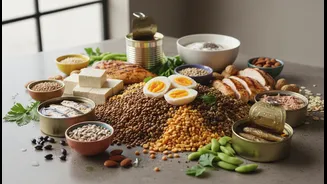
Proteins are made of amino acids. While the body can produce some, there are nine essential amino acids that we must get from our diet. Animal-based proteins like meat, fish, eggs, and dairy are considered 'complete' proteins because they contain all nine of these essential amino acids. Most plant-based proteins are 'incomplete', meaning they lack one or more essential amino acids. However, this is easily managed. By eating a variety of plant-based sources throughout the day—like beans with rice or lentils with bread—you can easily create a complete protein profile and ensure your body gets all the amino acids it needs. Soy, quinoa, and hemp seeds are notable exceptions, as they are complete plant proteins.
Embrace Plant-Based Powerhouses
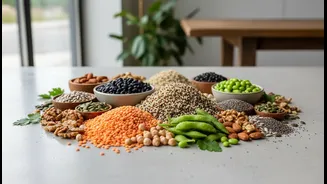
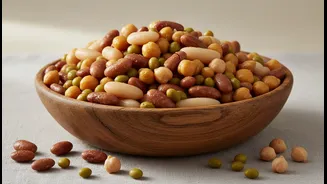
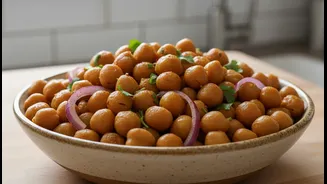
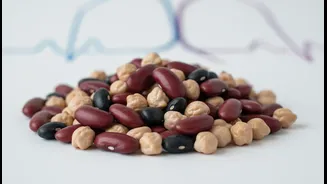
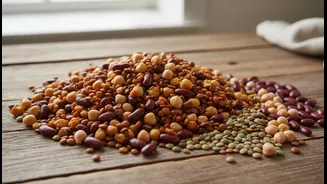
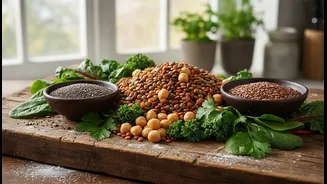
Plant-based proteins are not just for vegetarians; they offer a wealth of nutrients, including fibre, with less saturated fat and no cholesterol. Incorporating more into your diet is a smart move for your heart and your waistline. Legumes like beans, lentils, and chickpeas are packed with both protein and fibre, making them incredibly filling. Nuts and seeds are also great sources of protein and healthy fats. Don't overlook soy products; whole soy foods like tofu, tempeh, and edamame are excellent, versatile sources of complete protein that can be a healthy alternative to red meat.
Choosing Lean Animal Proteins
If you eat animal products, opting for lean sources is key to getting the benefits without the drawbacks of excess saturated fat. Skinless chicken and turkey are excellent choices. Fish, particularly fatty fish like salmon, mackerel, and sardines, is another fantastic option. Not only is it high in protein, but it's also rich in omega-3 fatty acids, which are crucial for heart and brain health. Eggs are an affordable and high-quality protein source, and low-fat dairy products like Greek yogurt and cottage cheese provide a protein punch along with calcium for bone health.
Proteins to Limit or Avoid
While protein is healthy, some sources come with significant health risks. Processed meats—such as bacon, sausages, hot dogs, and deli meats—are a major category to minimize. These products are often high in sodium and unhealthy preservatives. The World Health Organization has classified processed meat as a carcinogen, linking its consumption to an increased risk of colorectal cancer. Studies also associate regular intake of processed meats with a higher risk of heart disease, high blood pressure, and type 2 diabetes. Fatty cuts of red meat should also be consumed in moderation due to their high saturated fat content.
Simple Swaps for Smarter Protein
Upgrading your protein intake doesn't require a complete dietary overhaul. Start with small, manageable changes. Swap out a processed meat sandwich for one with grilled chicken or hummus and vegetables. Try having a 'meatless Monday' featuring beans or lentils as the centrepiece of your meal. Instead of reaching for a sugary snack, try a handful of almonds or a small container of Greek yogurt. Even simple shifts, like choosing 90% lean ground meat instead of a fattier version or adding beans to your soups and salads, can make a significant difference to the quality of your diet.