







Beyond the One-Horned Icon
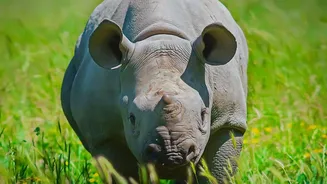
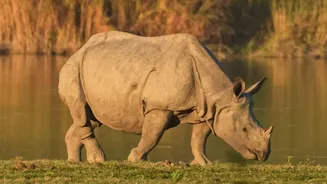
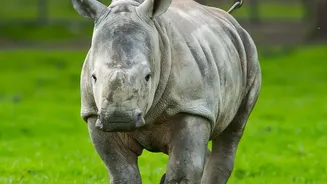
Kaziranga National Park is a sprawling expanse of tall elephant grass, dense forests, and vast wetlands fed by the mighty Brahmaputra River. While it rightfully earns acclaim for sheltering two-thirds of the world's great one-horned rhinoceros population,
its vibrant ecosystem supports a much wider cast of characters. The park is a crucial habitat for elephants, tigers, wild water buffalo, and swamp deer. However, two of its most spectacular, yet sometimes overlooked, residents are the Asiatic elephant and a breathtaking array of over 500 bird species, which make Kaziranga a world-class destination for both megafauna and avian enthusiasts.
In the Realm of Gentle Giants
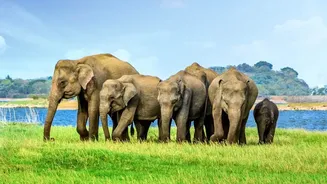
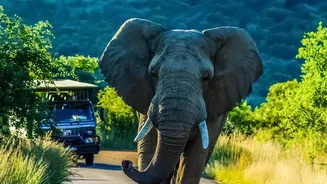
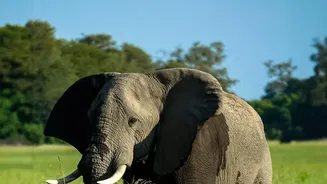
Seeing a herd of wild elephants moving through the tall grasslands is an experience of primal power and grace. Kaziranga is a vital breeding ground for these intelligent creatures, and safaris offer a unique window into their lives. For an immersive encounter, the elephant-back safari is a popular choice. These early morning tours, typically lasting an hour, allow you to traverse terrain inaccessible to jeeps, getting you closer to wildlife without causing alarm. Conducted in the Central (Kohora) and Western (Bagori) ranges, these safaris provide a fantastic vantage point over the grasslands. The Western Range, in particular, is noted for its high density of wildlife, offering excellent opportunities for photographers to capture rhinos and elephants. Jeep safaris in these zones also promise frequent sightings of elephant herds, often seen near the park's many water bodies or 'beels'.
A Paradise for Birdwatchers
If Kaziranga wasn't famous for its rhinos, it would be celebrated as one of the world's premier birding destinations. The park's diverse habitats—from wetlands and grasslands to tropical forests—attract an astonishing variety of birds. The winter months, from November to February, are particularly magical as migratory birds from Central Asia and Siberia arrive, swelling the avian population. The Eastern Range (Agaratoli) is widely considered a birdwatcher's paradise due to its extensive wetlands. Here, you can spot pelicans, storks, and a multitude of waterfowl like the Bar-headed Goose and Ruddy Shelduck. The Central Range is excellent for spotting hornbills and eagles, while the quieter, forested Burapahar Range is ideal for observing forest-dwelling birds. Keep an eye out for threatened species like the magnificent Great Hornbill and the Greater Adjutant stork.
Planning Your Safari: Zones and Timings
To make the most of your visit, understanding the park's layout and seasons is key. The park is typically open to tourists from November to April, as it remains closed during the monsoon months (May to October) due to flooding. The best overall time to visit is during the winter (November to February), when the weather is pleasant and dry, making it ideal for both wildlife spotting and birdwatching. For those purely focused on animal sightings, March and April are also excellent, as wildlife congregates around shrinking water bodies. Kaziranga is divided into four main safari zones: - Central Range (Kohora): The most popular zone, offering a balanced experience with good sightings of both elephants and birds. It's an ideal choice for first-time visitors. - Western Range (Bagori): Known for its high density of rhinos and open grasslands, this zone is a favourite among photographers and also offers great elephant sightings. - Eastern Range (Agaratoli): The best zone for birdwatching, with its vast wetlands attracting numerous migratory and resident water birds. - Burapahar Range: A quieter, hillier, and more forested zone, offering a different kind of safari experience and a chance to see Hoolock Gibbons.
Responsible and Conscious Exploration
Kaziranga's success is a testament to dedicated conservation efforts, but it faces constant challenges from annual floods and human-wildlife conflict. As a visitor, you play a role in its preservation. The revenue generated from tourism, including safaris, directly contributes to conservation activities, anti-poaching patrols, and supporting local communities. When visiting, always adhere to park rules, maintain a safe distance from wildlife, and choose eco-friendly lodges where possible. By being a responsible tourist, you help ensure that the unique habitats of Kaziranga's elephants, birds, and all its other inhabitants continue to thrive for generations to come.