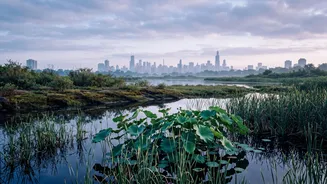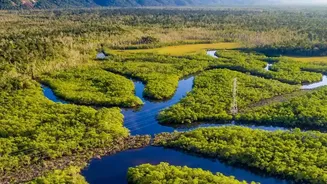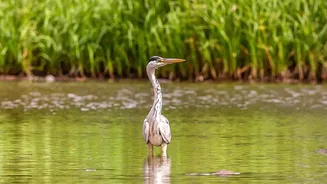




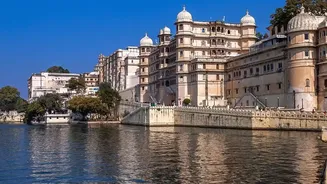

Often overlooked and dismissed as wastelands, urban wetlands are the unsung heroes of India's bustling metros. These natural assets are silently providing critical services that make our increasingly crowded cities more resilient and liveable.
More Than Just Marshland
When you
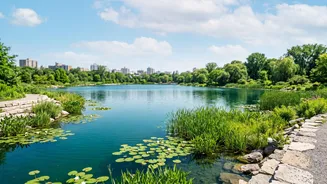
picture a thriving metropolis, you likely think of skyscrapers, busy roads, and metro lines. You probably don't think of marshes, lakes, and floodplains. Yet, these urban wetlands are a critical form of natural infrastructure. Often referred to as 'nature's kidneys', they are ecosystems that filter water, mitigate floods, recharge groundwater, sequester carbon, and sustain incredible biodiversity right in our backyards. These functions are collectively known as ecosystem services—the tangible benefits that nature provides to people. In an era of climate uncertainty and rapid urbanisation, these services are not just a bonus; they are a necessity for survival.
The Urban Flood Sponges
For residents of cities like Chennai, Mumbai, and Kolkata, monsoon flooding is a recurring nightmare. As concrete replaces green spaces, rainwater has nowhere to go, overwhelming drainage systems. This is where wetlands play their most visible and vital role. They act as giant natural sponges, absorbing massive quantities of excess rainwater and releasing it slowly, which significantly reduces the severity and frequency of floods. The devastating floods in Chennai have been directly linked to the degradation of its wetlands, including the Pallikaranai Marsh. Once a vast natural buffer, its capacity to absorb water has been crippled by encroachment and pollution, leading to severe flooding in surrounding areas. Studies show Chennai has lost a staggering percentage of its wetlands to unchecked urban development, turning a natural advantage into a man-made disaster.
Nature's Water Purifiers and Reservoirs
Beyond flood control, wetlands are masters of water management. They are crucial for replenishing groundwater, a lifeline for water-scarce cities. As rainwater and runoff percolate through wetland soil and vegetation, pollutants and sediments are naturally filtered out. This process not only purifies the water but also recharges underground aquifers, ensuring a more stable water supply through dry seasons. The East Kolkata Wetlands (EKW) are a world-renowned example of this principle in action. This vast, human-managed system naturally treats nearly 900 million litres of Kolkata's sewage and wastewater every day. This recycled water supports local agriculture and fisheries, providing livelihoods and food security while saving the city the enormous cost of building and maintaining conventional wastewater treatment plants.
Oases of Cool and Biodiversity
In the concrete heat islands of modern cities, wetlands provide much-needed relief. By retaining water and supporting vegetation, they have a significant cooling effect on their surroundings, regulating local microclimates. They are also bustling hubs of biodiversity. The Pallikaranai Marsh in Chennai, for instance, is a critical habitat for a wide array of plants, reptiles, and thousands of migratory birds, making it a rare ecological gem in an urban setting. These green and blue spaces also offer invaluable recreational, educational, and cultural opportunities for citizens, improving overall quality of life.
The Vanishing Guardians
Despite their immense value, India's urban wetlands are among the most threatened ecosystems. They are relentlessly being lost to illegal construction, pollution from untreated sewage and industrial waste, and the dumping of solid garbage. Many are viewed as 'wastelands' ripe for real estate development, a perception that ignores their longterm economic and ecological benefits. Cities like Bengaluru, Hyderabad, and Mumbai have lost over half of their wetlands in recent decades. This widespread destruction is driven by a failure in urban planning to integrate these natural assets into development strategies than weak enforcement of environmental laws.