





What Are Cool-Roof Coatings?
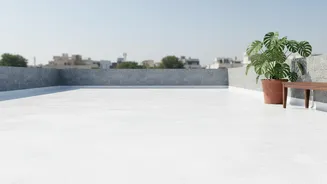
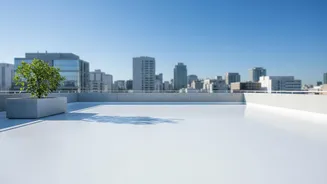
A cool-roof coating is much more than just a layer of white paint. It is a specialized, liquid-applied membrane designed with high solar-reflectance and thermal-emittance properties. Think of it like wearing a white shirt on a sunny day instead of a black
one; the lighter color reflects sunlight and keeps you cooler. These advanced coatings are engineered with reflective pigments and additives that bounce a significant portion of the sun's radiation back into the atmosphere instead of allowing it to be absorbed by the building. This prevents the terrace slab from heating up, which in turn stops that heat from transferring into the rooms below. While regular white paint does offer some reflective benefits, cool-roof coatings are specifically formulated to reflect infrared radiation—the part of sunlight that generates the most heat.
The Science of Staying Cool
The effectiveness of a cool roof is measured by two key properties: solar reflectance and thermal emittance. Solar reflectance indicates how much solar energy a surface can reflect. Thermal emittance is its ability to radiate absorbed heat away. Together, these properties are combined into a single value called the Solar Reflectance Index (SRI). The SRI scale typically ranges from 0 to 100, where a standard black surface is 0 and a standard white surface is 100. A higher SRI value means the roof will stay cooler in direct sunlight. High-performance cool coatings can have SRI values of 100 or more, making them exceptionally effective at preventing heat absorption. This scientific approach is what makes these coatings a powerful tool against urban heat.
The Tangible Benefits for Flat Owners
The primary reason urban flat owners are turning to these coatings is for a noticeable drop in indoor temperatures. Studies and real-world applications show that a cool roof can reduce indoor temperatures by 2°C to 7°C. During peak summer, an uncoated concrete terrace can reach a surface temperature of 65-70°C, while a coated surface under the same conditions might only reach 40-45°C. This drastic reduction in heat entering the home leads to a significant decrease in reliance on air conditioning. Homeowners report electricity savings on cooling costs ranging from 15% to 30%. Beyond the financial savings, the improvement in comfort is immediate, making rooms more livable during the hottest parts of the day and promoting better sleep at night.
More Than Just Temperature Control
The advantages of cool-roof coatings extend beyond just cooling. Many modern formulations also offer excellent waterproofing benefits, creating a seamless protective layer that prevents leaks during the monsoon. This dual-purpose function is a major selling point for homeowners looking for a comprehensive terrace solution. Furthermore, by shielding the roof structure from harsh UV radiation and extreme temperature fluctuations, these coatings reduce thermal stress. This minimises the expansion and contraction that leads to hairline cracks, thereby extending the life of the roof itself. On a larger scale, widespread adoption of cool roofs helps mitigate the 'urban heat island' effect, where cities are significantly warmer than surrounding rural areas, contributing to a cooler local environment.
What to Consider Before Application
Before investing in a cool-roof coating, there are a few factors to consider. Always check the product's Solar Reflectance Index (SRI); a higher number indicates better performance. The cost in India can range from approximately ₹20 to ₹80 per square foot, depending on the quality of the coating and brand. While basic lime-wash offers some cooling at a very low cost, elastomeric and ceramic coatings provide far greater durability and reflectivity. Proper surface preparation is critical for the coating to be effective and long-lasting, so it is often wise to hire professionals for the application. Finally, remember that these coatings need occasional cleaning with water to maintain their reflectivity, as dust and dirt accumulation can reduce their performance over time.