





The Unseen Shift in Atmosphere
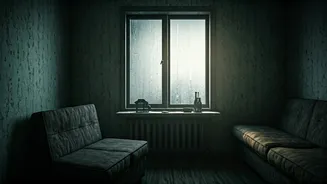
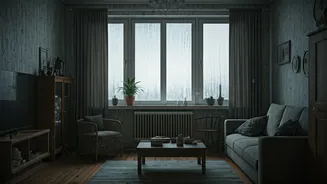
It often starts subtly. The air feels a bit heavy or thick. A persistent, musty odour clings to clothes and furnishings. This is more than just an inconvenience; it’s the first sign that the delicate balance of your home’s environment is off. High humidity
can make it difficult to feel comfortable, creating a 'sticky' feeling on skin and clothes. Beyond physical discomfort, studies show a strong link between living in damp environments and negative psychological effects, including stress and anxiety. The constant worry about potential health risks, damage to belongings, and the sheer unpleasantness of the conditions can turn a relaxing haven into a source of stress.
Reading the Warning Signs
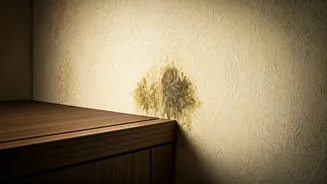
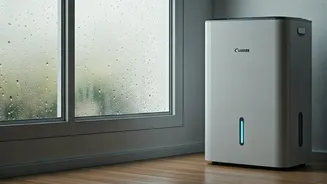
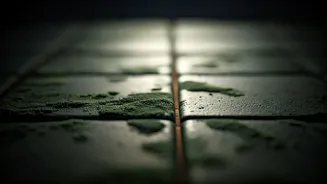
Before moisture causes irreversible damage, your home sends out several clues. Condensation on windows and mirrors is a classic indicator that there's too much water vapour in the air. You might also notice peeling or bubbling paint, discoloured patches on walls and ceilings, or warping wood floors. In India, where monsoon seasons bring prolonged humidity, these signs can appear quickly. Don't dismiss a faint earthy smell in closets or basements; it's often the first sign of mould or mildew growth, even if you can't see it yet. These issues are frequently caused by poor ventilation, hidden plumbing leaks, or rainwater seeping in through cracks in external walls.
From Bad Mood to Poor Health
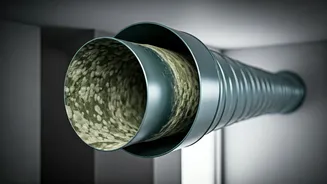
The impact of household dampness extends far beyond aesthetics and mood. For many, it's a significant health concern. Mould, which thrives in damp conditions, releases spores that can trigger allergic reactions, asthma attacks, and other respiratory problems. Symptoms can include a stuffy nose, coughing, wheezing, and itchy eyes or skin. People with existing respiratory conditions, babies, children, and the elderly are particularly vulnerable to these effects. Ignoring dampness can lead to a cycle of recurring health issues, affecting everything from your breathing to your quality of sleep.
Reclaiming Your Home's Comfort
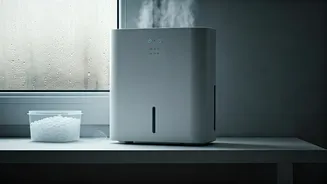
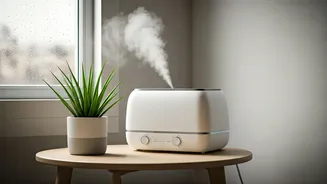
The good news is that you can fight back against moisture. The first step is to improve ventilation, especially in high-moisture areas like kitchens and bathrooms. Use exhaust fans when cooking or showering, and consider opening windows during drier parts of the day to encourage cross-ventilation. For persistent humidity, a dehumidifier is an effective tool for pulling excess moisture from the air. In India, special attention must be paid during the monsoons. Ensure roof and terrace drainage is clear, and seal any cracks in exterior walls before the rains begin. Simple, natural solutions like placing bowls of baking soda or charcoal bags in enclosed spaces can also help absorb moisture.
Smart Prevention and When to Call for Help
Long-term prevention is key. Regularly inspect pipes under sinks and around toilets for slow leaks. Try to keep furniture a few inches away from walls to allow for air circulation, which can prevent mould from growing in hidden spots. Regularly cleaning your air conditioner filters can also improve its efficiency in removing humidity. While many minor issues can be handled with DIY methods, some problems require professional expertise. If you suspect a major leak, see signs of rising damp from the foundation, or if mould covers a large area, it's best to consult a professional for waterproofing or mould remediation. Addressing the root cause is the only way to permanently solve the problem and restore your home’s healthy, happy atmosphere.