




Meet Your Second Brain
It might sound strange, but your gut is often called a 'second brain'. This is because of the gut-brain axis, a two-way communication highway connecting your digestive tract and your central nervous system. Think of it like a constant conversation happening
inside your body. Nerves, hormones, and immune signals travel back and forth, meaning what happens in your gut can directly influence your mood, stress levels, and cognitive function. Have you ever had a 'gut feeling' or 'butterflies in your stomach'? That's the gut-brain axis in action. This link is so significant that researchers are now finding that issues like anxiety and depression can be connected to the health of your gut.
The Special Role of Prebiotic Fiber
So where does fiber fit in? Not all fiber is created equal. The 'gut-brain fiber' we're talking about is more accurately known as prebiotic fiber. While your body can't digest it, the trillions of beneficial bacteria living in your gut—your microbiome—can. They feast on this fiber and, in return, produce powerful compounds called short-chain fatty acids (SCFAs). These SCFAs are like messengers that travel through your body, reducing inflammation, strengthening the gut wall, and even influencing the production of mood-regulating neurotransmitters like serotonin. In fact, a huge portion of your body's serotonin is produced in the gut. By eating prebiotic fiber, you are essentially feeding the good bacteria that help keep your mind and mood in balance.
Gut-Friendly Foods in Your Indian Kitchen
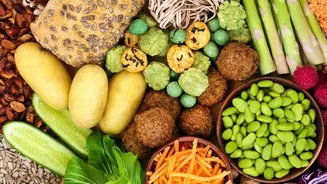
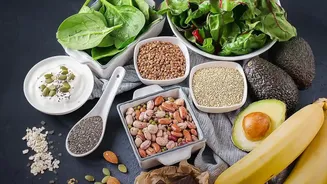
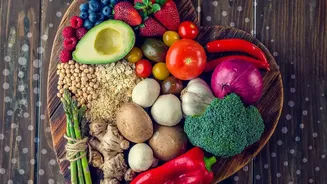
The great news is that you don't need expensive, imported superfoods to get these benefits. The traditional Indian kitchen is already a treasure trove of prebiotic-rich ingredients. Many are staples you probably use every day. Key sources include garlic (lahsun) and onions (pyaaz), which are packed with a prebiotic fiber called inulin and form the base of countless Indian dishes. Lentils and legumes, such as chana, rajma, and masoor dal, are cornerstones of the Indian diet and are loaded with beneficial fiber and resistant starch. Other fantastic and accessible options include slightly unripe bananas (kela), which are high in resistant starch, whole grains like oats, and millets such as ragi and jowar. Even apples (especially with the skin), flaxseeds (alsi), and guava (amrood) contribute to a healthy gut microbiome.
Simple Ways to Boost Your Intake
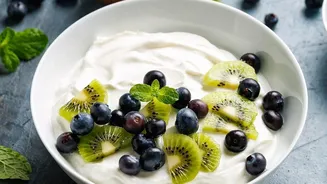
Incorporating more of this beneficial fiber into your diet doesn't require a complete overhaul. Start with small, consistent changes. Instead of processed white rice, switch to whole grains or millets for a few meals a week. Ensure your meals include a generous portion of dal or legumes. Snack on a banana or an apple instead of packaged snacks. Adding a simple raw onion and cucumber salad to your lunch or dinner is another easy way to boost your prebiotic intake. Combining prebiotic foods with probiotic ones—like having dahi (curd) with your meal—is even more powerful, as probiotics add good bacteria while prebiotics feed them. Remember to also drink plenty of water, as it helps fiber do its job effectively in your digestive system.