






The Hidden Danger in a Tiny Pin
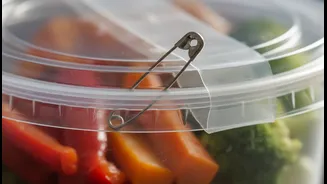
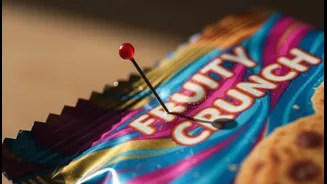
For years, stapler pins have been a common, low-cost method for sealing everything from snack pouches to takeaway boxes and sweet packets across India. While seemingly harmless, these small metal objects pose a significant health hazard. The Food Safety
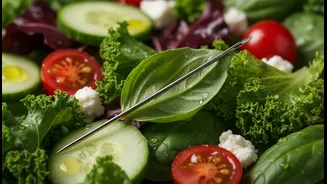
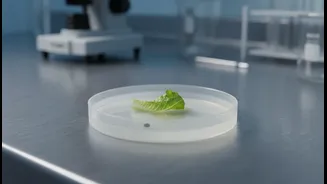
and Standards Authority of India (FSSAI) has highlighted numerous instances where pins have been accidentally ingested by consumers. The risks are serious, ranging from cuts in the mouth and throat to choking hazards, particularly for children. If swallowed, a pin can cause internal injuries or become lodged in the digestive system, sometimes requiring emergency medical intervention. Beyond the physical danger, there are also concerns about contamination from rust or germs carried on the pins, which were never designed to be in contact with food.
Regulation Forces a Safer Standard
In response to these preventable risks, the FSSAI has issued directives instructing all food business operators to immediately stop using metallic pins and wires for packaging. The ban covers sealing, fastening, or securing any food parcel, cake box, or takeaway meal. The regulator has made it clear that this is not merely a suggestion; businesses found violating the directive can face legal and penal action under the Food Safety and Standards Act, 2006. This decisive action follows numerous consumer safety complaints and aims to eliminate a clear physical hazard from the food supply chain. The move is part of a broader effort by the FSSAI to enhance food hygiene, which has also included advisories against using materials like newspaper for wrapping food due to ink contamination concerns.
The Quest for the Perfect Seal
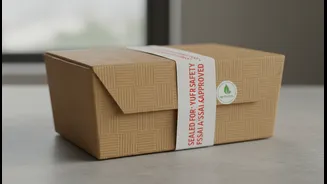
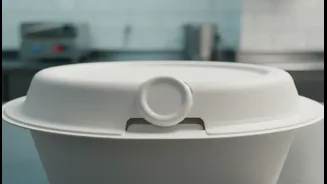
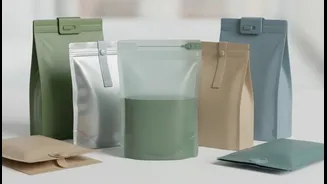
With staples off the table, the food industry is accelerating its adoption of safer and more effective alternatives. The ideal closure must be secure, cost-effective, and, crucially, tamper-evident. Tamper-evident packaging provides clear, visible proof if a container has been opened before it reaches the customer. This is especially important in the age of online food delivery, where orders pass through multiple hands. Innovations include containers with integrated tear-strips that must be broken to be opened, and interlocking snap-lock lids that provide a secure, leak-resistant seal. Adhesive tapes and seals are another popular option, though care must be taken to use food-grade materials. Other solutions include tamper-proof bags with permanent adhesive closures and smartly designed boxes that fold and lock without needing any external fasteners.
What Makes a Closure 'Travel Well'?
A closure that simply stays shut is no longer enough. The demands of the booming food delivery market require packaging that can withstand the rigours of transportation. A travel-ready container must be leak-resistant to prevent messy spills during transit. It also needs to be durable enough to avoid cracking or breaking, which could compromise food safety. Furthermore, temperature control is a key challenge; packaging must help keep hot foods hot and cold foods cold. This has led to the rise of materials like polypropylene, which offers a good balance of toughness, clarity, and suitability for applications like microwaveable containers. Ultimately, the packaging is the first physical interaction a customer has with a delivered meal, making its reliability a critical part of the overall brand experience.
The Future of Food Packaging
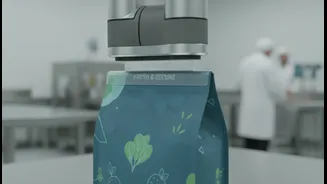
The move away from staple pins is part of a larger evolution in food packaging. Sustainability is a major driver, with increasing demand for materials that are recyclable, biodegradable, or made from recycled content. Companies are exploring solutions made from sugarcane bagasse, cornstarch-based films, and 100% recycled paper fibre. At the same time, technology is making packaging smarter. We are seeing the emergence of 'active packaging' with antimicrobial properties to improve safety, and 'smart packaging' that can include QR codes for product traceability or even sensors that indicate freshness. As consumer expectations and regulatory standards continue to rise, the simple takeaway box is transforming into a sophisticated piece of technology designed for safety, convenience, and a minimal environmental footprint.