



The Cosmic Highway: Calculating an Orbit
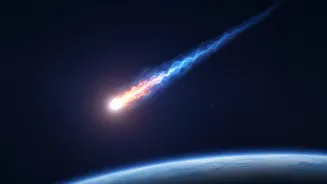
One of the first things astronomers do is map the meteor's path. By using photographic or radar observations from multiple locations, scientists can triangulate the meteor's trajectory as it enters Earth's atmosphere. This data allows them to calculate
its speed and angle of entry. From there, they can work backward, almost like rewinding a video, to determine the meteoroid's original orbit around the Sun. This orbital path is a crucial clue. It tells them if the rock came from the asteroid belt between Mars and Jupiter, which is the source of most meteoroids, or from a more distant part of the solar system. This information helps distinguish between different types of space debris and provides the foundational context for its origin story.
A Chemical Fingerprint in Light
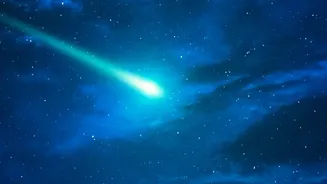
As a meteoroid burns up in the atmosphere, it creates a spectacular light show. But this light is more than just a pretty flash; it contains a wealth of information. By using a technique called spectroscopy, astronomers can split this light into its component colors, creating a spectrum. This spectrum acts like a chemical fingerprint. Specific elements glow with distinct colors when vaporized—for example, sodium produces a bright orange-yellow light, while iron and magnesium create blue-green hues. By analyzing which colors are present and how bright they are, scientists can determine the meteoroid's chemical composition without ever touching it. This allows them to compare its makeup to known asteroids, comets, and other celestial bodies.
The Family Resemblance: Meteor Showers
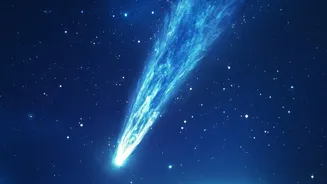
Sometimes, a meteor's origin is easier to pinpoint because it arrives as part of a larger family. Meteor showers, like the famous Perseids in August or the Leonids in November, occur when Earth passes through a dense trail of debris left behind by a comet. These dust and rock particles, shed from the comet as it orbits the Sun, all travel on nearly identical paths. If a meteor's timing and trajectory match a known shower, its parent is almost certain. For instance, every Perseid meteor is a tiny piece of the comet Swift-Tuttle. This association provides a direct link, confirming that the meteor is not just a random wanderer but part of a well-documented cosmic stream.
The Ultimate Clue: A Rock in Hand
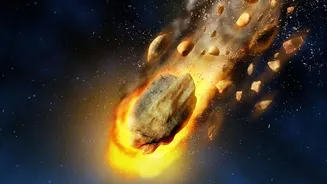
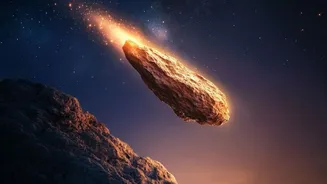
Most meteoroids disintegrate completely in the atmosphere, but the larger or denser ones can survive the fiery descent and land on Earth's surface, at which point they are called meteorites. These physical samples are the holy grail for researchers. In the lab, scientists can perform a battery of tests that are impossible from a distance. They can determine the meteorite’s precise age through radioactive dating, which often shows them to be as old as the solar system itself—around 4.6 billion years. Detailed chemical analysis can match a meteorite’s composition to samples we have from specific bodies, like the Moon or Mars. For example, gases trapped inside some meteorites perfectly match the Martian atmosphere as measured by NASA's Viking landers, confirming their origin. This direct evidence provides the most definitive answers about a space rock's past.