



The Problem with 'Too Much Good'
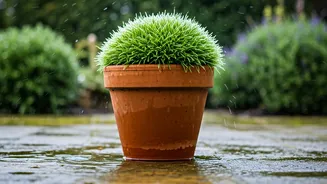
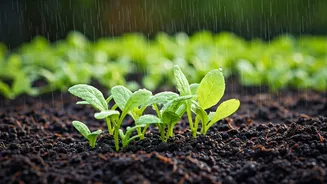
Plants need water, but they also need to breathe. The primary challenge during the monsoon is waterlogging. When soil becomes saturated, the air pockets that roots rely on for oxygen disappear. This leads to root rot, a fungal disease that can quickly
kill a healthy plant from below the surface. The constant dampness and humidity also create a perfect breeding ground for fungal infections on leaves, like powdery mildew, and attract pests such as slugs and snails. Without proper drainage and airflow, your green haven can turn into a soggy, wilted mess in a matter of days. The goal isn't to fight the rain, but to help your garden manage its excess.
The Simple Genius of Gravel
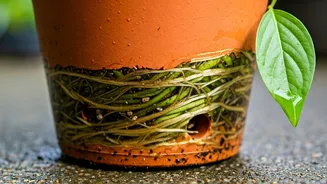
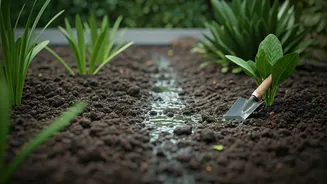
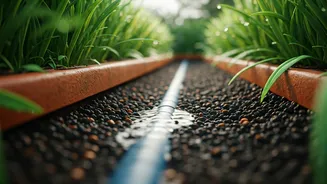
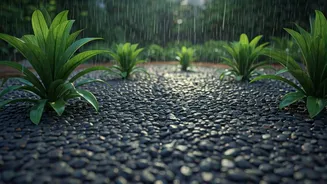
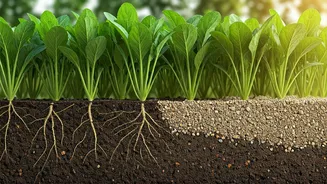
This is where gravel comes in. Think of it as your garden's drainage infrastructure. For potted plants, adding a layer of gravel, broken terracotta pieces (thekri), or even small pebbles at the bottom of the pot before adding soil creates a space for excess water to collect without waterlogging the roots. This simple step ensures that water can freely exit through the drainage hole. For garden beds, especially those with heavy clay soil that retains too much water, mixing in coarse sand or fine gravel can dramatically improve the soil's structure. This process, known as amending the soil, creates pathways for water to percolate deeper into the ground instead of pooling around your plants' delicate root systems. It’s a one-time effort that pays dividends all season long.
Make Way for Water with Holes
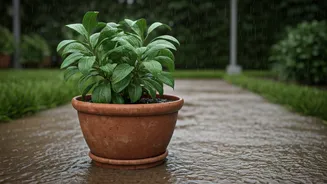
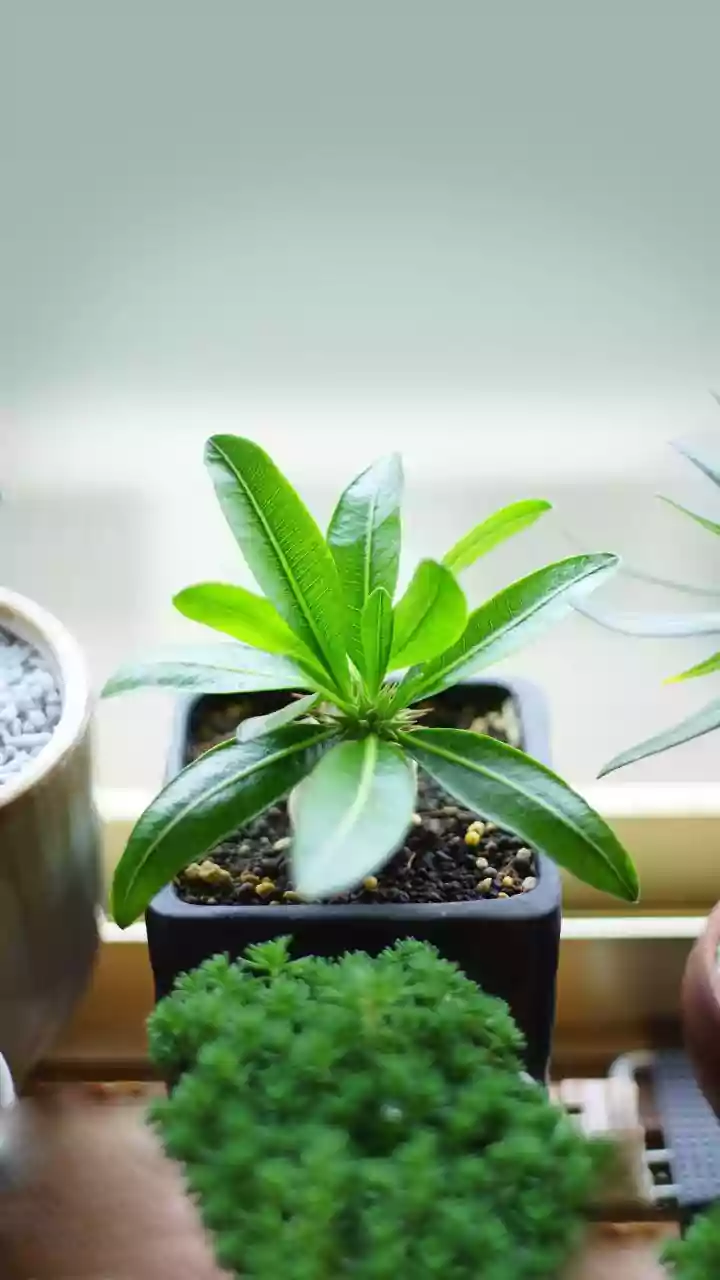
The 'holes' in the headline refer to the most critical and often overlooked part of any container garden: the drainage hole. Before the first downpour, take the time to inspect every single pot. Turn them over and ensure the holes are not clogged with old roots or compacted soil. Use a stick or a screwdriver to clear any blockages. If a pot has only one tiny hole, consider carefully drilling a few more. For lawns or compacted garden beds, the concept of 'holes' means aeration. Use a garden fork to poke deep holes across the area every few feet. This breaks up the compacted earth, allowing rain to penetrate deeper and preventing surface runoff and puddling. It's a simple, low-tech solution that allows the soil itself to breathe.
Common Sense Is Your Best Tool
Beyond the physical adjustments, monsoon gardening is about smart, proactive habits. First, relocate delicate plants. Succulents, cacti, and other plants that prefer dry conditions should be moved to a covered balcony or porch where they can get light without being waterlogged. Second, prune strategically. Trim dense foliage before the heavy rains begin. This improves air circulation around the leaves and branches, making it harder for fungal diseases to take hold. It also reduces the weight on branches, preventing them from snapping in strong winds. Third, rethink your watering schedule. The soil may look dry on top, but it's likely still damp an inch down. Always check the soil moisture with your finger before watering. Overwatering is the most common mistake during this season.
Stay Vigilant with Pest Patrol
Finally, 'common sense' means being observant. The humid weather is an open invitation for pests. Make it a daily ritual to inspect your plants, especially the undersides of leaves, for signs of trouble. Look for slugs, snails, mealybugs, and aphids. Hand-pick them off or use a simple, eco-friendly solution like a neem oil spray. A diluted mixture of neem oil, a drop of liquid soap, and water acts as an effective repellent for many common garden pests without harming your plants or the environment. Catching an infestation early is far easier than trying to rescue a plant that has already been overrun. Your daily walk through the garden becomes your first line of defence.