

The Fragrant Transformation
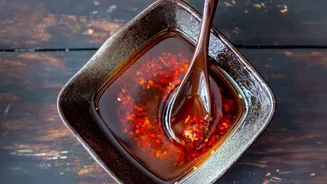
At its heart, the act of blooming spices in hot oil or ghee—a technique known across India as tadka, chaunk, or vaghar—is a controlled chemical event designed to awaken dormant flavours. Spices like cumin, mustard seeds, and cinnamon bark contain volatile
aromatic compounds locked within their tough cellular structures. Simply adding these to a water-based curry or dal won't do much, because most of these flavourful molecules are fat-soluble, not water-soluble. When spices hit hot fat, the high temperature instantly ruptures these cell walls, releasing the essential oils. The fat then acts as a perfect carrier, dissolving these compounds and distributing them evenly throughout the dish, ensuring every bite is infused with a deep, consistent aroma and taste.
The Magic of the Maillard Reaction
Beyond simply releasing existing oils, the heat triggers other powerful chemical changes. One of the most important is the Maillard reaction, a complex process that occurs between amino acids and sugars under heat. This is the same reaction that gives a seared steak its savoury crust and toasted bread its rich, nutty flavour. When spices like cumin or coriander are tempered, they undergo a brief Maillard reaction, creating hundreds of new flavour compounds that were not present in the raw spice. This adds layers of complexity, transforming the sharp, raw taste of a spice into something deeper, roasted, and more satisfying. The sizzle in the pan is the sound of new, more complex flavours being created in real-time.
Fat: The Essential Flavour Chariot
The choice of fat is crucial and non-negotiable for this process to work. Water is a polar molecule and can only dissolve other polar compounds like salt or sugar. The essential oils in spices, however, are largely nonpolar. This is where fat, like oil or ghee, becomes indispensable. Fat molecules are nonpolar and act as a solvent, effectively pulling the flavour compounds out of the spices and holding onto them. This infused oil then becomes the foundation of the dish's flavour profile. Ghee is a particularly favoured fat for tadka because of its high smoke point, allowing the oil to get hot enough to make mustard seeds pop without burning the fat itself.
Unlocking Health and Nutrition
The benefits of tadka extend beyond magnificent flavour. This ancient technique also makes the nutrients within the spices more accessible to our bodies. Many beneficial compounds in spices, such as curcumin in turmeric, are fat-soluble. Heating them in oil significantly increases their bioavailability, meaning the body can absorb and utilize them more effectively. It is why traditional wisdom has always paired turmeric with fat. Furthermore, spices like cumin, asafoetida (hing), and ginger, often used in tadka, are known to stimulate digestive enzymes, which can help reduce bloating and improve overall digestion. Even vitamins A, D, E, and K are fat-soluble, meaning the oil in a tadka can help your body absorb them from other ingredients in your meal.
Mastering the Method
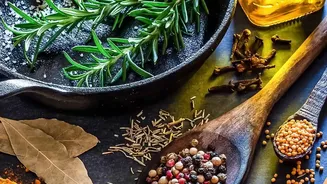
While the science is complex, the technique is swift, often lasting less than a minute. The key is timing and temperature. Different spices have different burn points, so the order in which they are added is critical. Hard, whole spices like mustard seeds and cumin seeds go in first, as they can tolerate higher heat. You wait for the audible cue—the spluttering and popping—which signals their cell walls are breaking. More delicate ingredients like dried red chillies, asafoetida, and curry leaves are added next, as they can burn in seconds. Finally, ground spices, which have a large surface area and burn almost instantly, should be added last, sometimes even after the pan is taken off the heat. This careful orchestration ensures every spice hits its peak flavour potential without turning bitter.