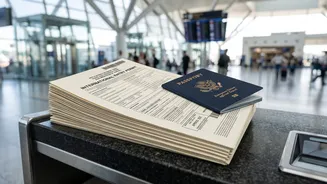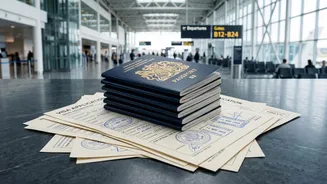






International travel is meant to open up the world, but for a growing number of people, the first hurdle is becoming a major barrier. A new survey reveals that complicated immigration and visa rules are discouraging more travellers than ever.
A Growing Barrier to Travel
According
to the 2026 Global Passenger Survey from the International Air Transport Association (IATA), 43% of travellers have been deterred from visiting a destination specifically because of its immigration requirements. This marks a significant jump from 33% just one year prior, indicating that border formalities are an increasingly influential factor in travel planning. The survey, which gathered responses from over 10,000 travellers across more than 200 countries, highlights a crucial friction point in the global travel ecosystem. While passengers eagerly adopt new technologies like biometrics and AI for smoother journeys, the administrative hurdles of just getting permission to enter a country are mounting.
It's the Complexity, Not Just the Cost
The primary driver of this frustration isn't the price of a visa. The IATA survey found that a majority of deterred travellers—53%—pointed to the sheer complexity of the process as the main problem. In comparison, cost and concerns over data privacy were each cited by only 17% of respondents. This suggests that would-be tourists and business travellers are being put off by convoluted paperwork, unclear instructions, and inefficient systems long before they even consider the financial outlay. The perception of a difficult and lengthy application process can make a destination seem unwelcoming or inaccessible, pushing travellers to choose alternative, hassle-free locations.
The Passenger Push for Digital Solutions
The findings reveal a stark contrast between traveller expectations and reality. Passengers show a strong preference for digital processes that they can complete ahead of time. An overwhelming 86% of travellers said they would be willing to share immigration information digitally before departure to speed up airport processes. Furthermore, 60% prefer to apply for a visa online, compared to just 25% who favour an in-person visit to a consulate. This desire for a 'digital-first' approach also extends to biometrics, with 78% of passengers willing to share their information to avoid repeatedly showing passports and boarding passes. The appetite for a streamlined, digital journey is clear, but government processes have been slow to keep pace.
Regional Differences and Industry Response
The impact of these administrative hurdles varies around the world. The survey noted that travellers in Africa were the most likely to be discouraged by entry requirements, with 52% reporting this. In the Asia-Pacific region, the figure was 49%, while North American travellers were the least affected at 35%. In response to the growing problem, IATA is calling on governments to simplify their entry procedures. Nick Careen, IATA's Senior Vice President, urged governments to accelerate the adoption of secure digital travel credentials and eliminate duplicate checks. The industry's argument is that while over 100 countries now issue eVisas, a lack of common standards for verification creates new bottlenecks, undermining the potential for a truly seamless journey.