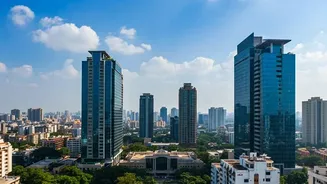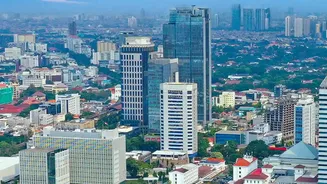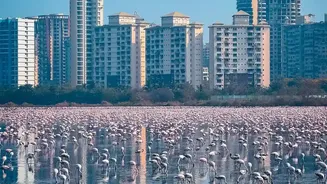





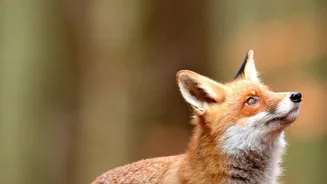

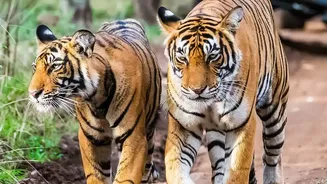
Look closely at the urban sprawl, past the traffic and high-rises. A subtle but significant change is underway. From sly foxes in Delhi's parks to elusive leopards on Mumbai's fringe, wildlife is increasingly calling our cities home.
The Concrete Jungle Gets Crowded
For generations, city
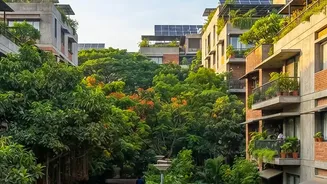
wildlife in India meant little more than pigeons, crows, and the occasional troop of monkeys. But that picture is rapidly evolving. Today, our bustling metropolises are becoming complex ecosystems where a surprising diversity of wild animals are adapting, surviving, and even thriving. This isn't a series of isolated incidents, but a widespread phenomenon. As natural habitats outside urban centres shrink due to fragmentation and development, animals are being pushed into cities, which paradoxically offer new opportunities. The green patches—parks, university campuses, and even large residential colonies—act as life-sustaining islands in a sea of concrete, while a steady supply of food from garbage bins and other sources provides a reliable buffet.
Mumbai's Leopard Neighbours
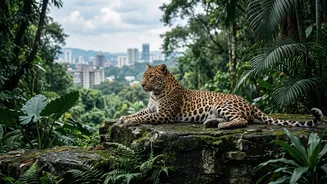
Perhaps the most dramatic example of this urban shift is the leopard population of Mumbai. The Sanjay Gandhi National Park (SGNP), a massive green lung nestled within one of the world's most densely populated cities, is home to a significant number of leopards. These big cats have adapted to the city's rhythm, using the cover of night to navigate the urban fringe, often preying on the large population of stray dogs. This coexistence hasn't always been smooth, with conflicts peaking in the early 2000s. However, concerted efforts by community groups and the forest department have fostered a remarkable turnaround. Awareness campaigns like 'Living with Leopards' have educated residents on how to coexist, proving that with careful management, even a megacity and a large predator can share the same space.
Foxes and Jackals in the Capital
Meanwhile, in Delhi-NCR, it's the canids that are making a comeback. The city’s green ridges and biodiversity parks, like the Asola Bhatti Wildlife Sanctuary and the Aravalli Biodiversity Park, have become vital refuges for Golden Jackals and the more elusive Bengal Fox. These animals are incredibly adaptive, playing a crucial role as scavengers and keeping rodent populations in check. Sightings are becoming more common, with camera traps even capturing a pair of jackals for the first time at the Yamuna Biodiversity Park, a sign of successful rewilding efforts. Their eerie howls at dusk, once a sound of the distant countryside, are now a part of the soundscape in many of Delhi's neighbourhoods bordering these green areas.
A Symphony of Wings
It’s not just four-legged creatures making their presence felt. Cities like Bengaluru have shown that urban green and blue spaces—parks and lakes—can support a staggering diversity of birdlife. Studies have recorded hundreds of bird species in and around the city's lakes, from common species like mynas and bulbuls to more specialised insectivorous and nectarivorous birds that thrive where native plants are present. Even small, well-maintained water bodies and green patches can act as crucial habitats. This demonstrates that thoughtful urban planning, which preserves and connects green spaces, can have a direct and positive impact on biodiversity, making cities more vibrant and ecologically rich.
Learning to Be Neighbours
While the return of wildlife is a positive sign of nature's resilience, it is not without its challenges. The primary driver of this movement is habitat loss outside cities, forcing animals into human-dominated landscapes. This proximity inevitably leads to human-wildlife conflict, ranging from monkeys raiding kitchens in Delhi to leopards posing a perceived threat in Mumbai. The key to navigating this new reality is a shift from conflict to coexistence. This involves better urban planning, such as creating green corridors for animal movement, and improved civic practices, like efficient waste management to reduce food sources that attract animals. Community awareness and rapid response teams are also crucial components in managing encounters and fostering a sense of shared space.