



A Legacy in Every Bite
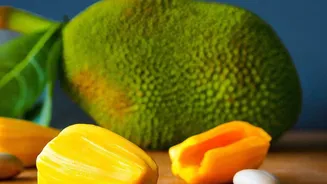
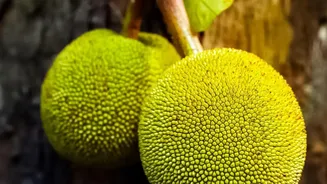
For generations in Kerala, the jackfruit tree was more than just a plant; it was a symbol of sustenance and an extension of the home. Its history in the region stretches back thousands of years, with mentions in ancient Sangam literature. Traditionally
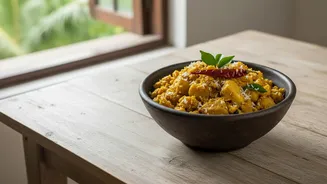
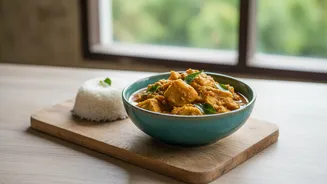
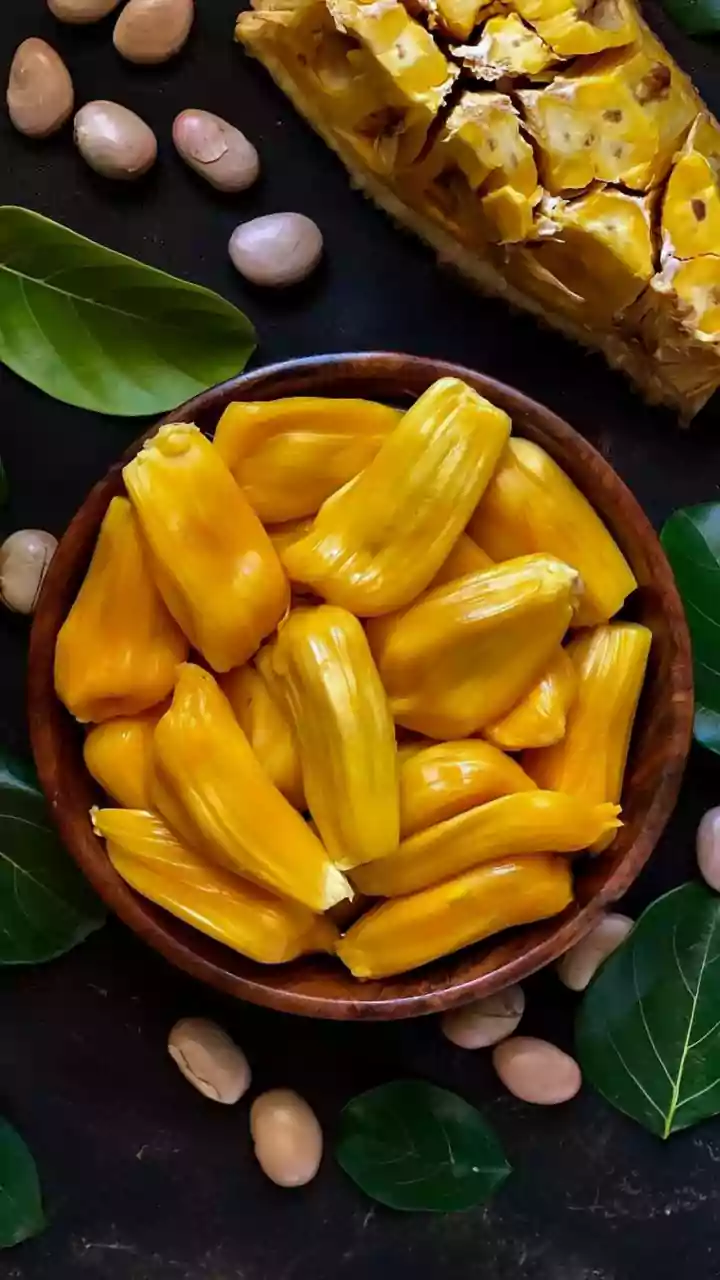
viewed as an affordable and dependable food source, chakka has been a saviour during times of scarcity. Its resilience to pests and drought, combined with its massive yield, made it a cornerstone of the Malayali diet. This legacy is lovingly preserved in timeless dishes. Unripe jackfruit transforms into hearty preparations like 'chakka puzhukku', a comforting mash seasoned with coconut and spices, often paired with a fiery fish curry. Other classics include 'chakka erissery', a festive dish with a roasted coconut paste, and crispy 'chakka varattal' (chips), a snack beloved by all. These recipes are not just about food; they are about creativity born from local ingredients, a testament to the ingenuity of generations past.
The Rise of a 'Superfood'
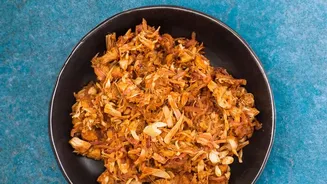
What was once considered a 'poor man's food' has undergone a remarkable transformation on the global stage. In recent years, jackfruit has been celebrated internationally as a 'superfood' and a popular plant-based meat substitute. Its fibrous texture when unripe makes it an uncanny stand-in for pulled pork or chicken, embraced by vegans and health-conscious consumers worldwide. This newfound fame is backed by science. Jackfruit is a nutritional powerhouse, packed with vitamins A and C, potassium, and dietary fibre, while being low in calories. Studies have highlighted its numerous health benefits, including its anti-inflammatory properties, potential to help manage blood sugar levels due to its low glycemic index, and role in promoting digestive health. This global recognition has cast a new light on the humble fruit, prompting a renaissance back home in Kerala.
A Modern Culinary Makeover
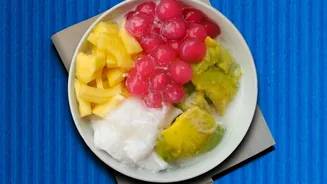
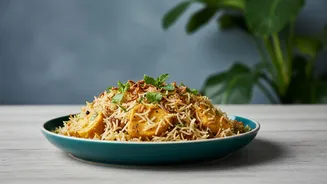
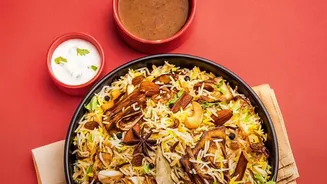
Kerala's dynamic food scene has embraced the chakka renaissance with open arms. Chefs and home cooks are now reimagining the fruit in exciting, contemporary ways. While traditional preparations remain cherished, the modern Kerala kitchen is experimenting with jackfruit biryani, cutlets, burgers, and even wine. At food festivals like the 'Chakka Mahotsavam', one can find an astonishing variety of dishes, from jackfruit puttu (steamed cake) and kumpil appam (steamed dumplings) to jackfruit-infused sadhyas. These festivals celebrate the fruit's versatility, showcasing hundreds of preparations and spreading awareness about its potential. The state government's decision to declare jackfruit as the official state fruit in 2018 further cemented its cultural and economic importance, encouraging more innovation and commercialisation.
Sustaining the Future
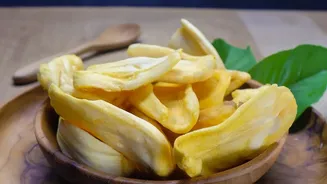
The renewed interest in jackfruit is more than just a culinary trend; it carries significant economic and environmental weight. The promotion of value-added products like jackfruit flour, chips, and canned tender jackfruit is creating new opportunities for farmers and entrepreneurs. This is crucial in a state where a significant portion of the fruit once went to waste due to its abundance and the labour involved in processing it. By developing better supply chains and processing technologies, Kerala is slowly turning this loss into a profitable venture. Jackfruit farming itself is inherently sustainable. The trees are hardy, require minimal intervention, and thrive in the local climate, making them a climate-resilient crop. As the world seeks more sustainable food sources, the humble chakka stands as a powerful example of a crop that can nourish people, support local economies, and protect the environment.