




Beyond Butter Chicken and Biryani
For years, dining out in India often meant choosing from a familiar lineup: paneer tikka, butter chicken, dal makhani, and a handful of regional hits like biryani or dosa. While delicious, this standardised fare represents only a fraction of the country's
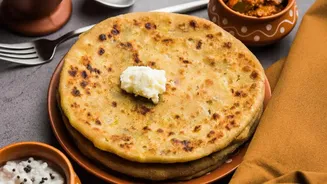
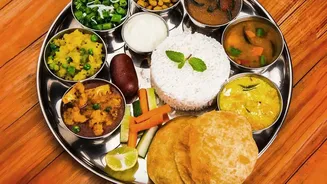
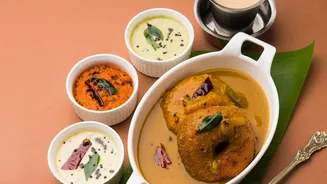
immense culinary diversity. The real treasure trove of Indian food has always resided in family kitchens, where recipes are passed down through generations, shaped by regional climates, local ingredients, and unique community traditions. These dishes, from a grandmother's specific masala blend to a closely guarded festival sweet, rarely made it beyond the four walls of the home. This vast, undocumented library of flavours—think of the subtle differences in a Bengali ‘shukto’ or a Koli fisherman’s curry—has largely been absent from the commercial dining scene. Diners are increasingly looking for more authentic and unique experiences, moving past the standard comfort zone to explore the wider repertoire of Indian food.
The Festival as a Culinary Stage
Enter the food festival. Events across the country have evolved from simple street food gatherings into powerful platforms for culinary discovery. Festivals like Kolkata's Ahare Bangla are now celebrated for showcasing West Bengal's tribal and lost recipes, putting home cooks on the same stage as celebrity chefs. Similarly, the Sattvik Food Festival in Ahmedabad promotes traditional vegetarian foods and heirloom grains, bringing forgotten agricultural practices back into the conversation. These events provide a crucial opportunity for home cooks, many of whom are women, to present their culinary heritage to a wider audience. By creating a space where a Kayastha home chef's Mutton Kofta can be tasted alongside a professional's creation, festivals are breaking down the barriers between the home kitchen and the professional culinary world. This shift is driven by a growing consumer appetite for story-driven dining experiences, where authenticity and heritage are as important as the taste itself.
From Pop-Up Stall to Permanent Plate
The impact of these festivals extends far beyond the event grounds. They have become scouting locations for a new generation of chefs and restaurateurs eager to diversify their menus. Top hotels and restaurants are now actively collaborating with home chefs through pop-ups and special festivals, recognising the immense value and appeal of their traditional recipes. For example, a home chef specialising in Oriya or Marwadi cuisine might be invited to take over a hotel kitchen for a weekend, introducing diners to flavours they’ve never encountered. In some cases, a particularly popular dish from a pop-up, along with the story of the home chef who created it, makes its way onto the restaurant's permanent menu. This trend, sometimes called a 'microcuisine wave', is seen by many not as a fleeting fad, but as a genuine movement to preserve and celebrate India's hyperlocal food traditions.
A Movement for Culinary Preservation
This embrace of family recipes is more than just a business trend; it is a vital act of cultural preservation. With each passing generation, undocumented recipes are at risk of being lost forever. Food historians and culinary revivalists are working to document these dishes, but festivals provide a living, breathing archive. They create a direct link between the keeper of the recipe and an appreciative audience, validating the knowledge and skill that has been nurtured within families for centuries. By celebrating the food we grew up with, these platforms help reconnect an urban audience with its own diverse culinary heritage. This movement ensures that the rich, complex identity of Indian food continues to evolve, drawing strength from the very kitchens where it all began.