




Secure Your Luggage Like a Pro
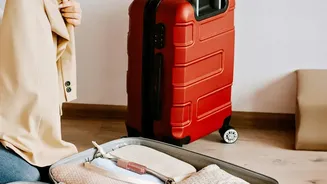
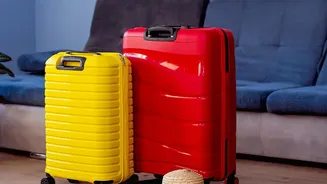
Your first line of defense is physically securing your bags. Most Indian trains have steel loops under the lower berths. Carry a sturdy chain and a reliable padlock to anchor your main luggage to these loops. This simple, time-tested method is used by
countless local travellers and is the most effective way to deter opportunistic theft, especially while you sleep. For smaller bags containing valuables like your wallet, phone, and documents, keep them with you at all times. Use your daypack as a pillow or keep it tucked into the corner of your berth.
Choose Your Berth Wisely
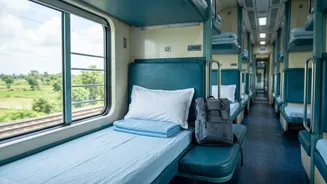
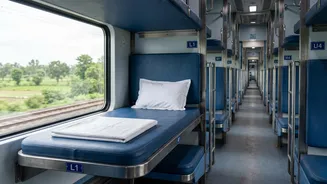
Where you sleep matters. For solo travellers, especially women, an upper berth is often recommended. It offers more privacy and keeps you out of the general foot traffic of the aisle. Once you're up there, you are less likely to be disturbed. The lower berth offers easier access, which is great if you have mobility issues, but it also functions as a communal seating area for all passengers in the bay until bedtime. If you have a choice, booking an AC coach (2A or 3A) is generally considered a safer and cleaner option than a non-AC sleeper class, as access is more restricted.
Assemble a Comfort Kit
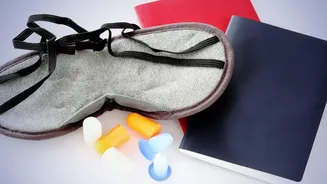
A few small items can dramatically improve your quality of sleep. An inflatable neck pillow takes up minimal space and provides crucial support. Earplugs and an eye mask are non-negotiable for blocking out the constant noise and intermittent lights from passing stations. Even in non-AC coaches, a light shawl or sleeping bag liner can provide warmth and a sense of personal space. In AC coaches, the bedding provided may not always feel fresh to everyone, so having your own sheet or liner is a good backup.
Pack for Hygiene and Health
Train bathrooms can be a challenge, so come prepared. A roll of toilet paper, wet wipes, and hand sanitizer are absolute must-haves. Wearing flip-flops or slippers to the restroom is a smart move to keep your feet clean. For long journeys, consider packing a small first-aid kit with basics like antiseptic cream, plasters, and any personal medications you need. Staying hydrated is crucial, but stick to sealed water bottles purchased from official vendors or the station.
Eat Smart on the Rails
Food is a huge part of the train experience, but it pays to be cautious. For shorter trips, packing home-cooked food like parathas or dry snacks is the safest bet. On longer journeys, you have several options. You can order meals through official e-catering services, which allow you to get food from trusted restaurants at upcoming stations. If buying from the pantry car or station vendors, opt for hot, freshly prepared items like fried snacks or simple rice dishes. Avoid anything that looks like it has been sitting out, especially cut fruits or salads.
Stay Charged and Aware
A dead phone can be a major issue, especially in case of delays. Carry a fully charged power bank, as power outlets on trains can be unreliable or in high demand. Be aware of your surroundings, especially when the train stops at stations. It's best to avoid deep conversations about personal details with strangers. If you are a solo female traveller, befriending a family in your compartment can often create a sense of community and security. Keep the railway security helpline number (182) saved on your phone for emergencies.
Dress for a Comfortable Journey
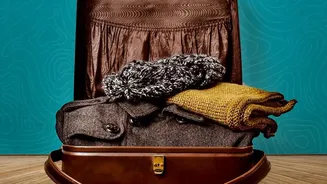
Comfort is key when you're on a train for hours. Opt for loose, breathable clothing like t-shirts, track pants, or salwar kameez. It's a good idea to dress in layers. A hoodie or jacket is useful as AC coaches can get quite cold at night. Choose footwear that is easy to slip on and off, like flip-flops or sandals, for quick trips to the washroom or to walk around the coach.