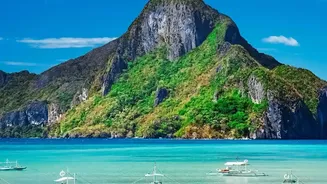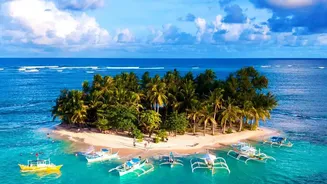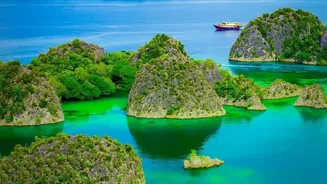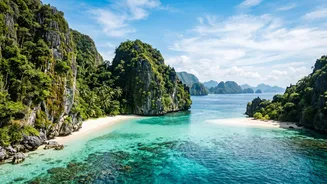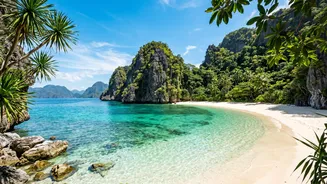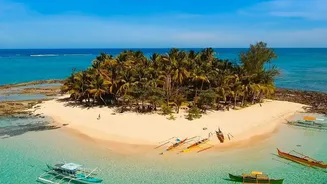

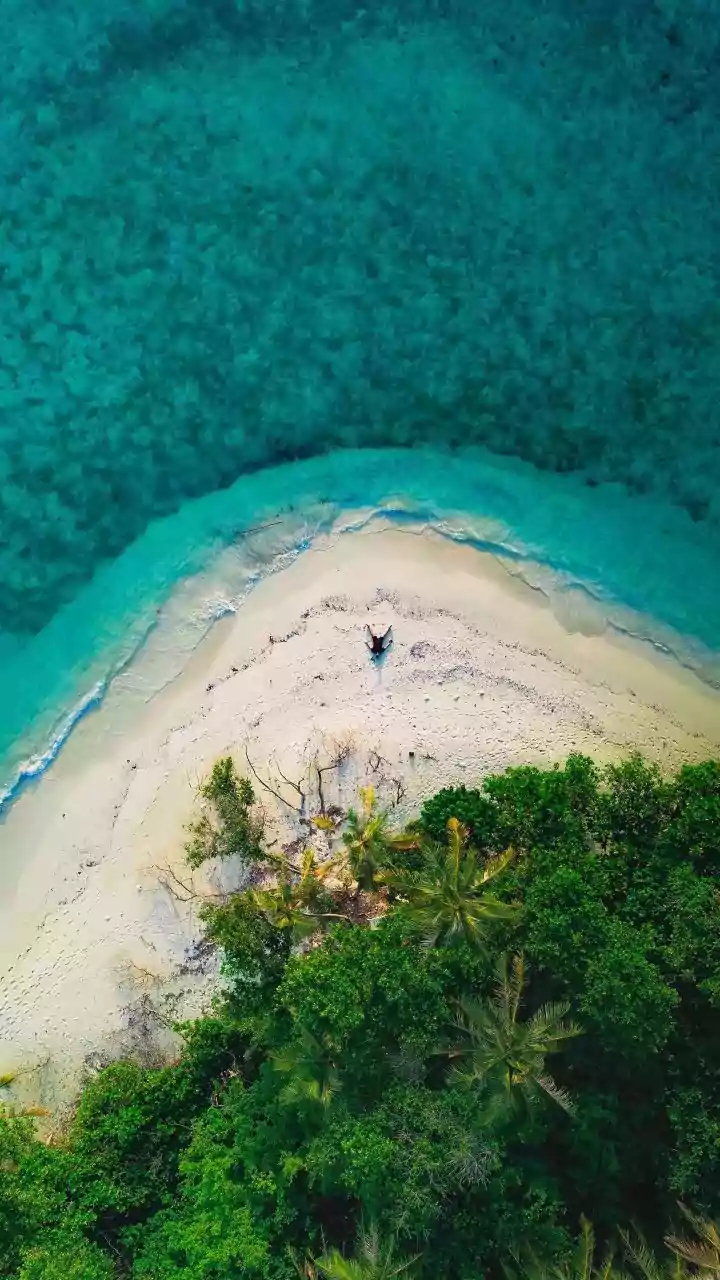
The dream is a secluded Philippine beach, all white sand and turquoise water. The reality often involves a chain of expensive flights, boats, and tourist fees. Here’s a look at the real costs behind the country's most famous remote islands.
The Compounding Cost of 'Paradise'
The Philippines
is an archipelago of over 7,600 islands, and reaching its most celebrated remote spots is a journey in itself, with each leg adding to the final bill. Getting to a world-famous destination like El Nido or Coron in Palawan isn't a single flight. For most travellers, it involves an international flight to Manila or Cebu, a separate domestic flight to an airport like Puerto Princesa (PPS), followed by a five-to-six-hour van or bus ride overland. While direct flights to airports closer to the destination, like El Nido's Lio Airport (ENI), exist, they are often significantly more expensive and operate from specific hubs. This multi-step process doesn't just drain your wallet; it consumes valuable vacation time. A budget traveler can expect to spend around $40-$56 per day, but this often excludes the expensive inter-island transfers that can quickly inflate a trip's total cost.
Spotlight: Is El Nido Worth the Hype?
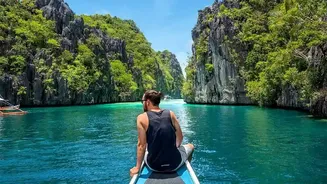
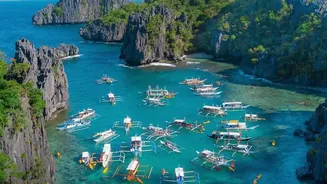
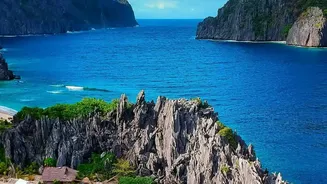
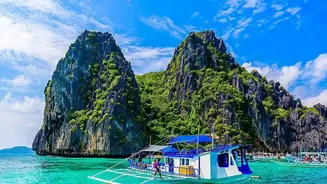
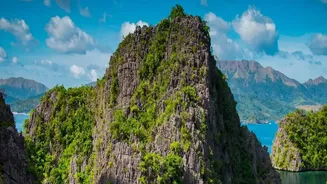
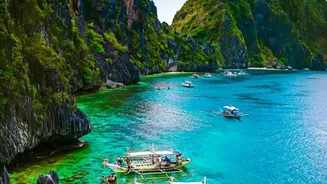
El Nido, Palawan, is often cited as one of the most beautiful places on Earth, famed for its limestone cliffs and hidden lagoons. However, this fame comes at a price. A solo backpacker's daily budget can run between ₱3,000–₱4,500 (about $50-$75), covering basic lodging and food. The main attractions, however, are the island-hopping tours, which are mandatory to see the iconic sights. These shared tours (dubbed A, B, C, and D) cost around $27-$28 per person for a day trip. For a group, a private boat can offer more flexibility but costs significantly more. Add to this a one-time Eco-Tourism Development Fee of ₱400 per person and the high cost of getting there, and it's easy to see why some travellers feel the destination is 'overrated'. The term often doesn't mean the place lacks beauty, but rather that the experience can be diminished by crowds and a constant feeling of being overcharged.
The Boracay Paradox: Pricier and More Polished
Boracay, once a world-famous party island, underwent a massive rehabilitation, and while it's cleaner and more organised, it's also more expensive. It remains a top pick for first-time visitors to the Philippines due to its accessibility and stunning White Beach. However, the laid-back, budget-friendly vibe of its past has been replaced by a more controlled and commercialised atmosphere. Accommodation on the prime beachfront of Station 1 can be costly, and while it's convenient, some travellers feel it has lost some of its raw charm. Many argue that while beautiful, other islands offer a similar 'paradise' experience without the premium price tag and dense crowds that still flock to its shores.
Smarter Alternatives for the Savvy Traveller
The good news is that for every 'overrated' and expensive hotspot, the Philippines has several lesserndownedowndownedownedownedownedownedownedownedownedownedownedownedownedownedownedownedownedownedownedownedownedownedowndowndowndowndowndowndowndowndowndowndowndowndowndowndowndowndowndowndowndowndowndowndowndowndowndowndowndowndowndowndowndowndo... [Truncated for brevity in thought process - actual output will contain full text] ...The good news is that for every 'overrated' and expensive hotspot, the Philippines has several lesserrdknown, affordable alternatives that are just as stunning. Instead of heading straight for El Nido, consider Port Barton, also in Palawan. It offers a similar laidback vibe with beautiful beaches and island hopping at a fraction of the cost and with a fraction of the tourists. For those seeking a unique cultural flavour, Siquijor, the 'Island of Fire', offers waterfalls, white sand beaches, and a mystical reputation. Other excellent budget friendly choices include the volcanic island of Camiguin Bantayan Island off the coast of Cebu for its powdery beaches and the Romblon islands which are often called the 'Marble Capital' but are also home to incredible uncrowded beaches. These places often require a bit more effort to reach but reward travellers with a more authentic and serene experience.