







The Humidity Deception
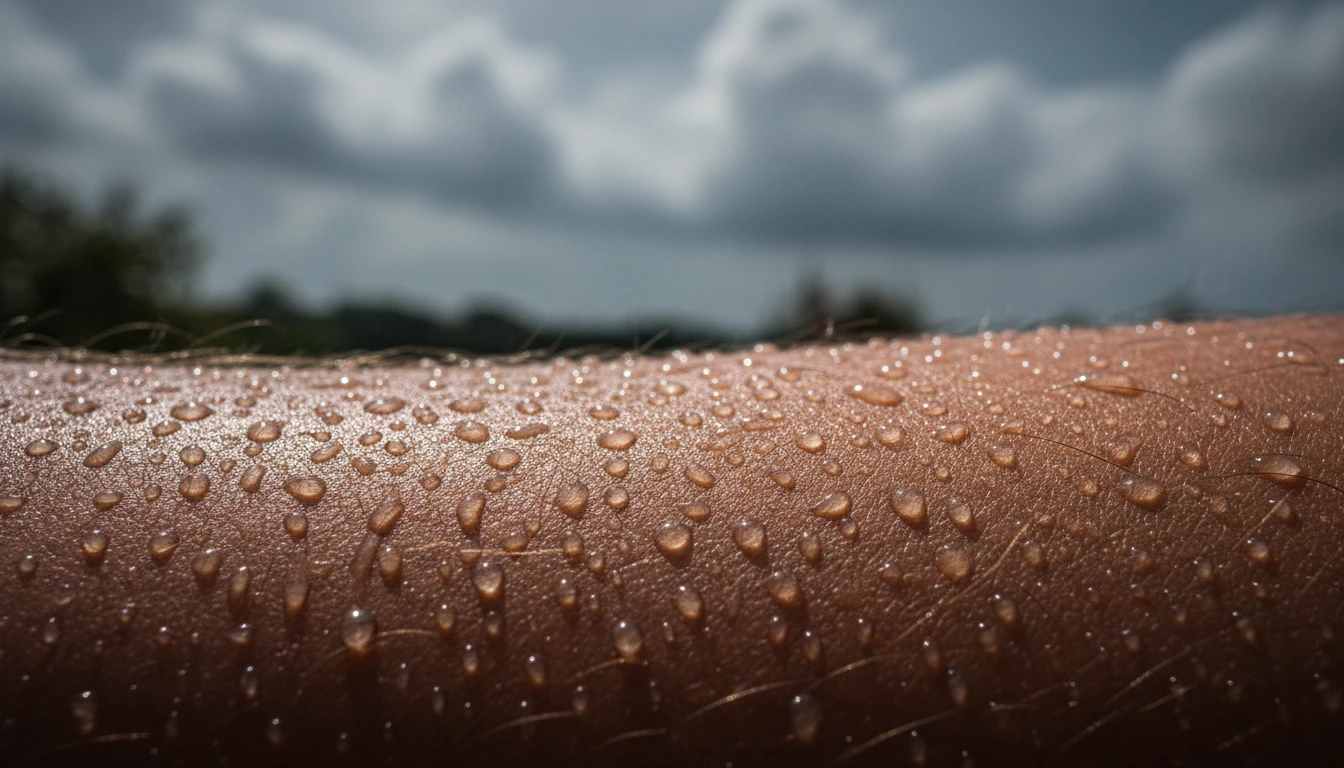
When you exercise, your body sweats to cool itself down. This process, called evaporative cooling, works beautifully in dry heat. The sweat evaporates from your skin, taking heat with it. However, during the monsoon, the air is already saturated with water
vapour. This high humidity prevents your sweat from evaporating efficiently. As a result, your body's primary cooling system sputters. Your core temperature can rise, and your body responds by sweating even more in a futile attempt to cool down. This means you can lose a significant amount of fluid without the corresponding cooling effect, leading to greater fluid loss than you might perceive.
Why Thirst Is a Lagging Indicator
Common wisdom suggests you should drink when you feel thirsty. Unfortunately, during intense exercise, thirst is a delayed signal. By the time your brain registers thirst, you are already in a state of dehydration, meaning you have lost a significant amount of body fluid. Losing as little as 2% of your body weight in fluid can lead to a drop in athletic performance, reduced endurance, and impaired concentration. The feeling of thirst can also be blunted by high humidity and the act of drinking itself; a few sips can temporarily satisfy your thirst without adequately replacing the fluid you've lost, creating a false sense of security.
The Real Risks of Dehydration
Dehydration in a humid environment isn't just about feeling tired or having a bad workout. It poses serious health risks. As dehydration worsens, your blood volume decreases, forcing your heart to work harder to pump blood to your muscles and organs. This can lead to symptoms like dizziness, headaches, muscle cramps, and general weakness. In severe cases, it can escalate to heat exhaustion or even life-threatening heat stroke. Furthermore, when you sweat, you don't just lose water; you lose essential minerals called electrolytes, like sodium and potassium. An imbalance of these can disrupt muscle and nerve function, causing cramps, spasms, and even an irregular heartbeat.
A Proactive Hydration Plan
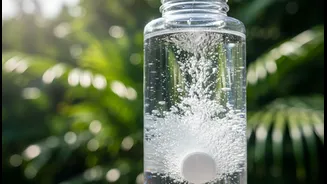
Instead of waiting for thirst to strike, adopt a strategic hydration plan. Start your workout well-hydrated by drinking about 500-600 ml of water two to three hours beforehand. During your session, don't wait until you're parched. Make it a habit to sip water regularly, aiming for around 200-250 ml every 15-20 minutes. For workouts lasting over an hour or if you are sweating heavily, water alone might not be enough. Consider a sports drink or an electrolyte mix to replenish the salts and minerals lost through sweat. After your workout, continue to rehydrate steadily over the next few hours to replace lost fluids. A useful tip is to weigh yourself before and after your workout; for every pound lost, aim to drink 500-700 ml of fluid.
Look Beyond Thirst
Since thirst isn't reliable, learn to recognise other signs of dehydration. One of the simplest indicators is the colour of your urine; pale, straw-coloured urine suggests good hydration, while dark yellow or amber urine is a clear sign you need to drink more. Other symptoms to watch for include a dry or sticky mouth, persistent fatigue, headaches, dizziness, or difficulty concentrating. Muscle cramps are another common sign that you're low on both fluids and electrolytes. Paying attention to these signals can help you take action before dehydration significantly impacts your health and performance.