
The Relaxed 70s Shag
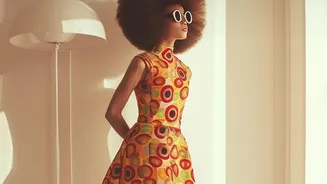
The original 70s shag, famously worn by icons like Jane Fonda and Joan Jett, was a symbol of rock 'n' roll rebellion. It featured choppy, distinct layers and a heavy fringe. While iconic, it often required specific styling to look its best. Today’s version
is softer, more blended, and designed to be effortlessly cool. The modern shag focuses on enhancing your natural hair texture with softer, less severe layers that create movement and volume without a ton of effort. It’s a true 'wash-and-go' style that can be amplified with a bit of texturizing spray or mousse, making it perfect for a lived-in look that is both stylish and low maintenance. Ask your stylist for long, blended layers and a fringe that suits your face, like curtain bangs, for a versatile take on the classic.
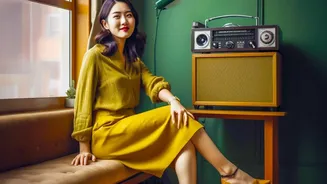
The Effortless 90s Blowout
The 90s were the era of the supermodel, and with them came the iconic voluminous, bouncy blowout. Think Cindy Crawford's powerful, face-framing layers and Cher Horowitz's perfectly polished waves. The original style often involved a time-consuming process with a round brush and a full set of Velcro rollers to achieve maximum volume. The 2026 version captures the same glamorous energy but with a more relaxed and touchable finish. Instead of rigid perfection, the modern 90s blowout is softer, with glossy waves that have plenty of movement. You can achieve this look more easily by using a large-barrel curling iron to create loose waves after blow-drying, or by using a hot brush to simplify the process. The focus is on healthy, shiny hair with body, rather than a stiff, hairsprayed finish.
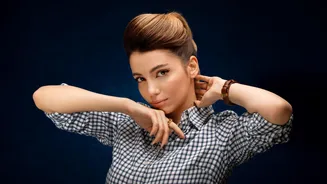
The Subtle 60s Beehive
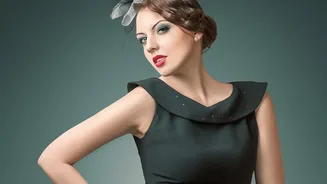
The 1960s beehive was a marvel of hair engineering, a towering style that screamed high glamour and required serious backcombing and hairspray. Icons like Brigitte Bardot made volume the ultimate statement. While a full beehive might feel like a costume for everyday wear, its modern interpretation is all about a subtle, sophisticated nod to the era. The contemporary take is less about towering height and more about a gentle lift at the crown. Often seen as a half-up style, this 'mini-bouffant' adds a touch of elegance without the fuss. It can be created in minutes by gently teasing the hair at the crown, smoothing the top layer over, and securing it with a few pins or a chic clip. It’s a versatile look that works for the office, a night out, and everything in between.
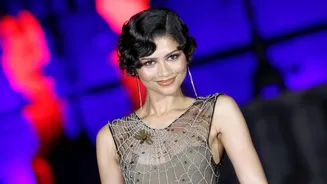
The Modern Finger Wave
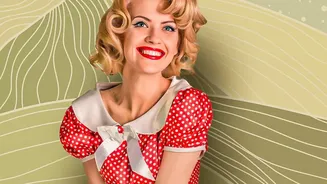
Born in the 1920s, finger waves were a sleek, sculptural style that required wet hair, a lot of setting gel, and meticulous comb work to create a series of 'S' shapes close to the head. It was a glamorous but highly technical look. The modern approach is far less demanding and focuses on using the wave as an accent rather than an all-over style. Today, you might see a single, soft wave crafted to frame the face, with the rest of the hair left in loose curls or a simple updo. Instead of wet-setting, stylists and DIY enthusiasts often use a flat iron or a curling wand to create a similar 'S' pattern on dry hair, which is then gently brushed out. This provides a touch of vintage artistry without the commitment and drying time of the original method.