




A New Rhythm for Travel
The long-standing tradition of saving up all your leave for one big family holiday is steadily being replaced by a series of shorter, spontaneous trips. Recent reports highlight the rise of a “micro-holiday economy,” where leisure travel is becoming a year-round
lifestyle choice rather than a once-a-year event. Data shows a significant preference for these compact trips; one report from April 2026 noted that 72% of Gen Z travellers in India opt for stays lasting one to seven days. Another found that domestic trips of two to six nights are the fastest-growing travel format. This move towards what many are calling 'micro-vacations'—short, intentional trips of two to four days—signals that Indians are prioritising regular, accessible breaks over exhaustive, long-planned excursions. The focus has shifted from the duration of the holiday to the quality of the rest and experience it offers.
The 'Work from Anywhere' Effect
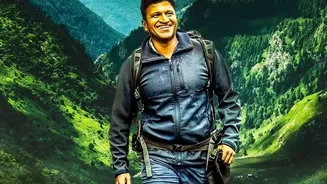
A major catalyst for this change is the evolution of work culture. The widespread adoption of remote and hybrid work models has given professionals unprecedented flexibility. No longer tethered to a physical office, many can now blend work and travel seamlessly. This has made the concept of a 'workation' a reality for a growing number of Indians, who can travel to a new city without taking extensive leave. Improved digital infrastructure, with strong 4G and 5G connectivity even in smaller towns, has made working from a hill station or a beachside cafe a practical option. This flexibility allows travellers to turn a regular weekend into a three or four-day mini-vacation, making travel a more integrated part of their lives rather than a separate, annual event.
Economics and Accessibility
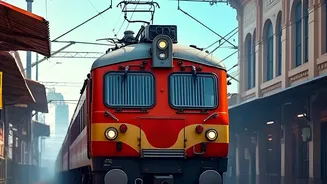
Budget is another powerful driver. While a long, elaborate vacation can be a significant financial undertaking, shorter trips are considerably more affordable. This has democratised travel, making it accessible to a wider audience, including young professionals and middle-class families. The affordability of a two or three-day trip means people can travel more often, exploring different destinations throughout the year. Furthermore, improved connectivity through new expressways, budget airlines, and better train services has drastically reduced travel time to destinations near major cities. Places that were once a full day's journey away are now accessible within a few hours, making even a one-night trip a viable and refreshing option.
A Mindset Shift Towards Wellness and Experiences
Beyond logistics and finances, there's a deeper cultural shift at play. Modern travellers, particularly younger generations, are increasingly focused on mental wellness and collecting a variety of experiences. The constant pressure of a fast-paced lifestyle has turned short, frequent breaks into a necessity for preventing burnout and maintaining productivity. Many now believe that multiple short holidays contribute more to overall wellbeing than a single, long trip. This generation values unique, personal experiences over checking off a list of famous attractions. Reports indicate that nearly 70% of Gen Z travellers would rather take three short trips than one long one, driven by a desire for variety and self-expression. They actively seek out destinations that are not yet viral, preferring authentic connections with local culture, food, and nature.
Popular Spots for Quick Escapes
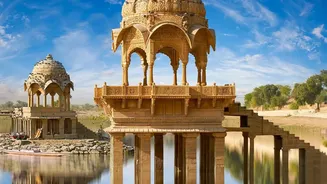
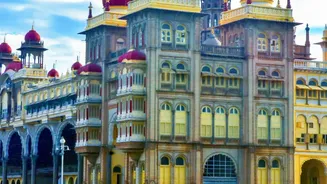
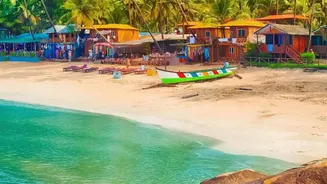
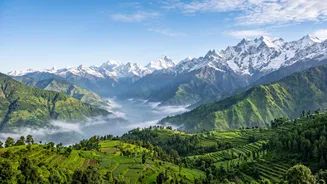
This trend has boosted the popularity of destinations ideal for short getaways. Hill stations like Manali, Shimla, Ooty, and Darjeeling remain perennial favourites. Coastal towns such as Goa, Puducherry, and Kochi also attract those looking for a quick beachside retreat. Heritage cities like Jaipur and Udaipur offer a rich cultural experience that can be absorbed over a long weekend. Moreover, the trend is pushing travellers beyond the usual hotspots towards Tier-2 cities and offbeat locations. Spiritual destinations like Varanasi and Ayodhya have also seen a massive rise in bookings for short trips. Even short international trips to nearby countries are growing in popularity, with travellers leveraging long weekends to explore beyond India's borders.