
The Flavour and Texture Showdown
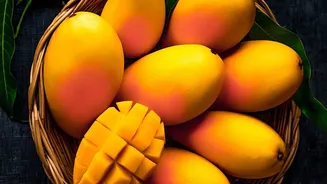
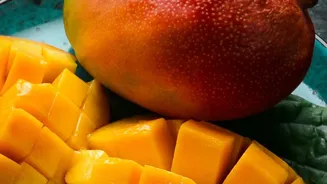
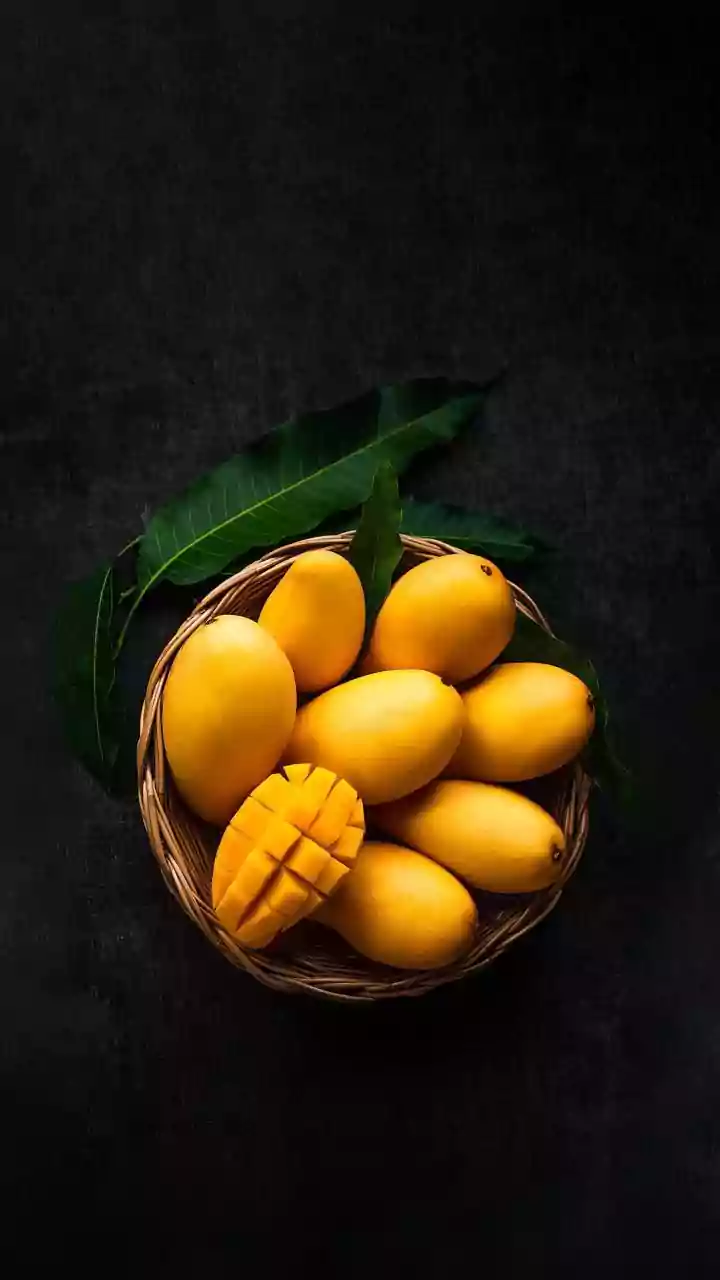
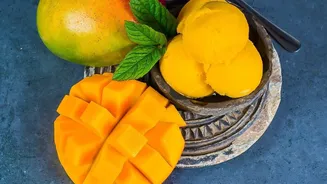
The most immediate difference between mango and papaya lies in their taste and texture. A ripe mango offers an intensely sweet, rich, and sometimes tangy flavour with notes of peach and pineapple. Its flesh is often fibrous but juicy, wrapped around a single
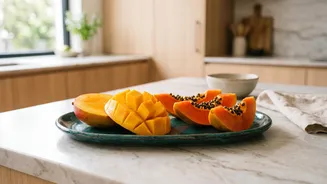
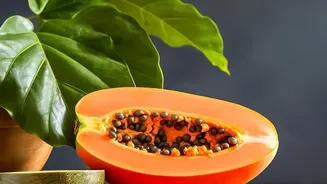
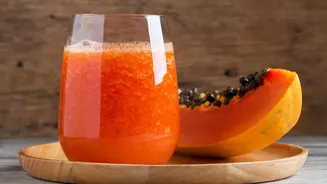
large, flat stone. Papaya, in contrast, has a milder, more mellow sweetness with a distinct musky note, often compared to cantaloupe. Its flesh is exceptionally soft and buttery, with a hollow centre filled with small, black, peppery seeds. While mango delivers a powerful flavour punch, papaya provides a subtler, creamier experience that many find refreshing, especially with a squeeze of lime to brighten its taste.
A Tale of Two Greens: Unripe Uses
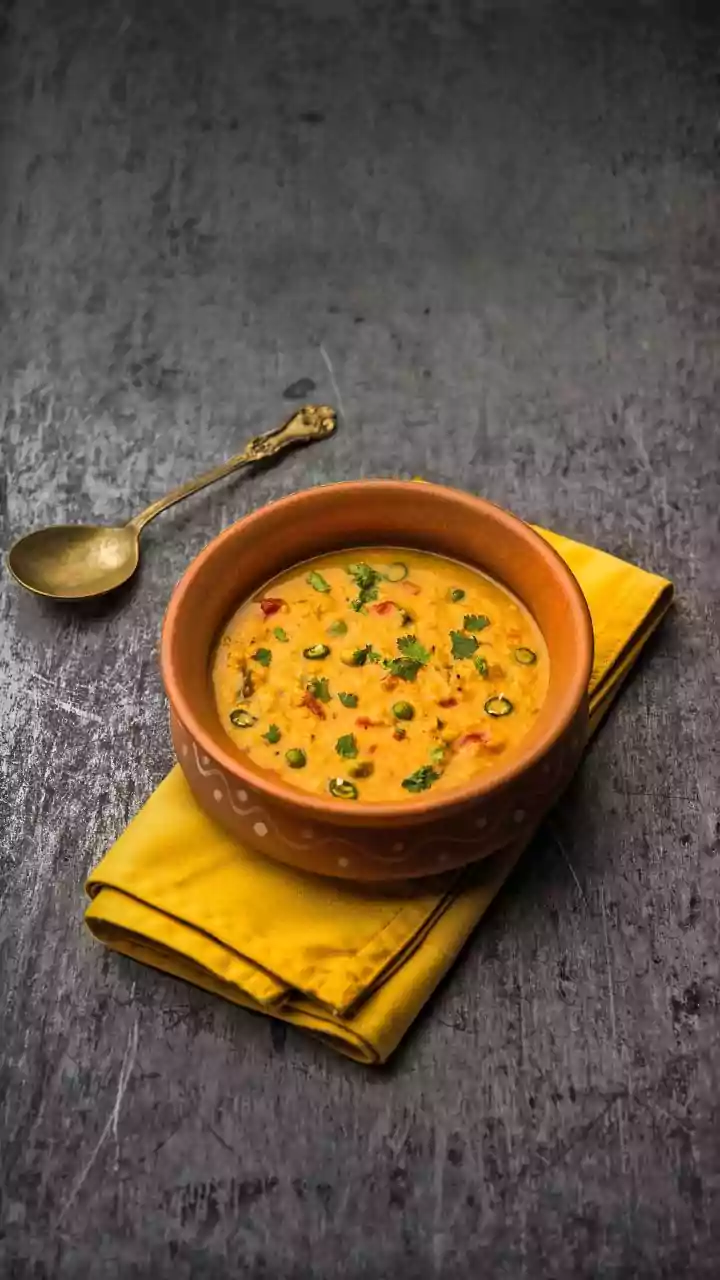
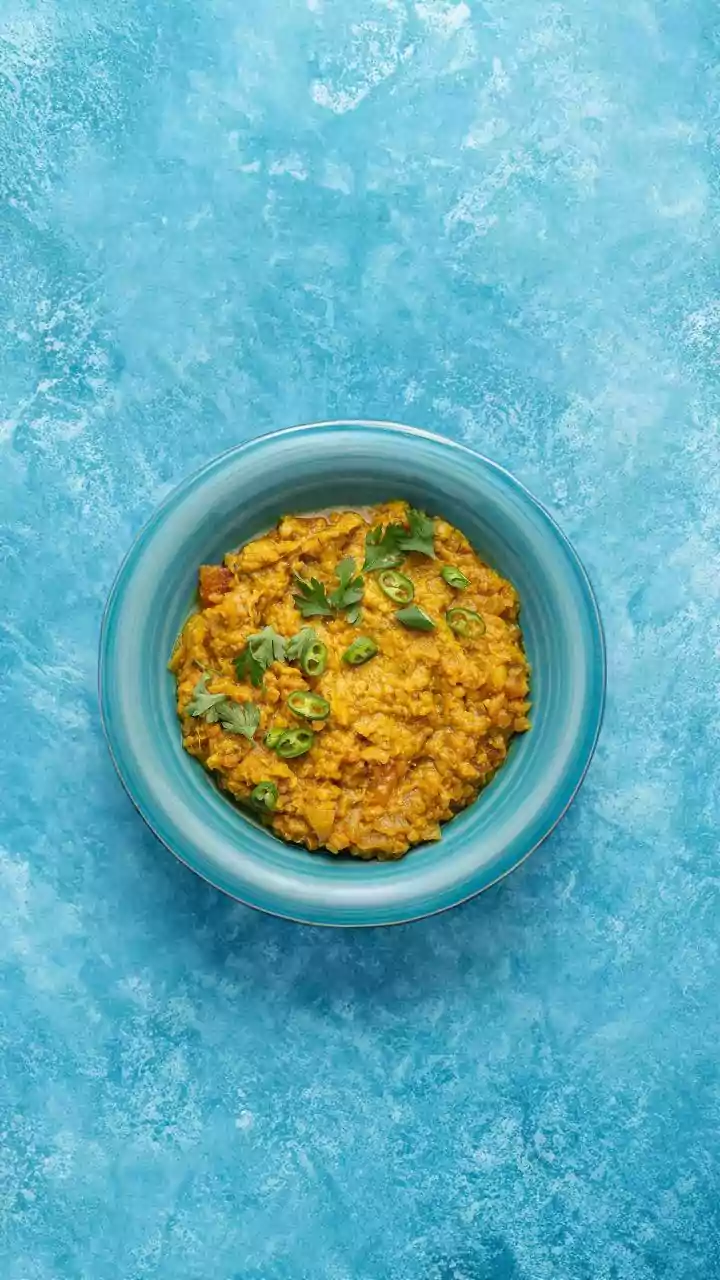
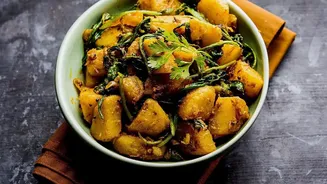
Before they ripen, both fruits have a completely different culinary identity. Raw mango, or 'kairi', is famously tart and acidic. It’s the star of pickles (achar), tangy chutneys, and refreshing summer drinks like aam panna. Grated raw mango adds a sour crunch to rice dishes and salads. Green papaya, on the other hand, is much more neutral in flavour. Its crisp, firm texture makes it an excellent base for salads, most famously the Thai 'Som Tam'. It shreds beautifully and acts like a sponge, soaking up the flavours of dressings and spices. In Indian cooking, it's often used in curries, dals, and as a vegetable in its own right, lending substance without an overpowering taste.
Nutritional Knockout: A Closer Look
Both fruits are nutritional powerhouses, but they excel in different areas. Papaya is a clear winner for Vitamin C, offering significantly more per serving than mango. It is also lower in calories and sugar, making it a lighter option. Mango, however, is a champion of Vitamin A (in the form of beta-carotene) and folate. Both fruits are good sources of fibre, aiding digestion. Papaya also contains a unique enzyme called papain, which is well-known for its ability to help digest proteins and is often used as a natural meat tenderizer. So, while papaya is great for an immune boost with fewer calories, mango delivers more on the vitamin A front.
Sweet Preparations: Desserts and Drinks
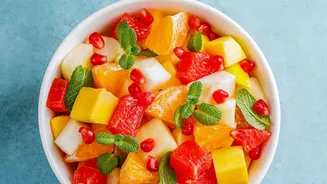
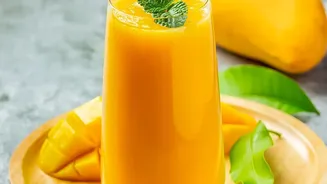
When it comes to desserts, the mango's intense sweetness and flavour make it a versatile star. It is the heart of beloved treats like mango lassi, kulfi, ice cream, shrikhand, and countless cakes and pastries. Its vibrant pulp creates rich, flavourful bases. Papaya's softer texture and milder sweetness also lend well to smoothies and fruit salads, often paired with other fruits to provide a creamy base. It can be used in jams and sweets like a mango-papaya rava kesari. However, because of its stronger flavour profile, mango is more frequently the standalone star in the world of Indian sweets.
The Savoury Side of Sweet
Beyond their green forms, both ripe fruits can find a place in savoury meals. Ripe mango is famously used in salsas and some tangy curries, where its sweetness balances spicy and sour notes. A mango-boondi salad offers a burst of flavour and texture. Ripe papaya is less common in cooked savoury dishes but can be used in refreshing salads alongside ingredients like peanuts, cilantro, and lime. Its enzyme, papain, makes it an effective and natural tenderizer for meats in marinades. Both fruits, when ripe, can be combined in salads to create a delightful sweet and savoury mix. Ultimately, mango's robust sweet-tart flavour gives it a slight edge in savoury applications, particularly in dishes that play on flavour contrasts.