






The Vibe: Social Hub vs. Serene Retreat
Your ideal work environment dictates the first choice. Kasol, nestled in the vibrant Parvati Valley, is a bustling hub for backpackers and artists. It’s known for its energetic cafe culture, social atmosphere, and a steady stream of fellow travellers.
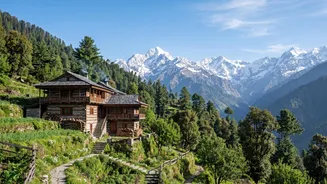
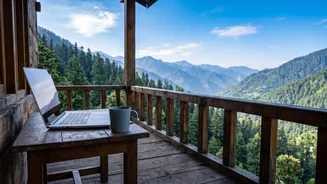
If you thrive on social energy, enjoy meeting new people after work, and want a wide variety of food options from Israeli to Italian, Kasol is your spot. Jibhi, tucked away in the quieter Tirthan Valley, offers a completely different pace. It's a place for stillness, introspection, and deep connection with nature. Think wooden cottages, pine-scented air, and the sound of the river as your primary soundtrack. It’s perfect for those seeking focus, solitude, and a genuine escape from the crowds.
Work Setup: Connectivity and Accommodation
A successful workation hinges on two things: reliable internet and a comfortable workspace. Both Kasol and Jibhi have seen significant upgrades in connectivity. In Jibhi, several homestays and cafes now offer dedicated fibre broadband connections with speeds between 30 and 100 Mbps, along with essential power backup. Similarly, Kasol and its surrounding villages boast strong 4G/5G coverage from providers like Airtel and Jio, and many hostels and guesthouses provide stable Wi-Fi suitable for video calls and cloud-based work. When booking, always ask specifically if the WiFi is fibre-based and if there's an inverter for power cuts. Homestays in Jibhi often feature traditional Himachali architecture with peaceful garden spaces. In Kasol, you'll find a wider range of options from lively backpacker hostels to private rooms in guesthouses, many with dedicated common areas for working.
The Budget: Affordable Stays and Daily Costs
Both destinations are known for being budget-friendly, especially for long-term stays. In Kasol, a dorm bed in a popular hostel can cost between ₹400 and ₹900 per night, with many options available for under ₹500. Private rooms in guesthouses and homestays are also widely available at reasonable prices. Jibhi offers a similar range, with homestays starting from around ₹800 per night. Many hosts in both valleys offer attractive weekly or monthly rates for remote workers, which often include home-cooked meals. Food is another area where you can save; while Kasol has numerous cafes, eating at your homestay is often the most delicious and economical choice. A monthly budget for a comfortable workation, including stay and food, can be quite reasonable compared to city living.
After Hours: Unwinding in the Mountains
The best part of a workation is logging off and stepping straight into nature. Kasol serves as a fantastic base for short treks and explorations. You can take an easy walk along the Parvati River to the quiet village of Chalal, visit the hot springs at Manikaran Sahib, or explore the bustling local market and its many cafes. For more serious trekkers, it's the gateway to popular routes like Kheerganga and Tosh. Jibhi is a paradise for nature lovers. The area is dotted with serene spots perfect for unwinding. You can take a short hike to the stunning Jibhi Waterfall, explore traditional villages, or plan a day trip to the majestic Jalori Pass for breathtaking 360-degree views of the Himalayas and a trek to Serolsar Lake.
Autumn Window: Best Time to Go and How to Reach
Autumn, from late September to November, is arguably the best time to visit both valleys. The monsoon has passed, leaving behind lush green landscapes and clear blue skies. The weather is pleasant, with sunny days and crisp, cool nights, making it ideal for both work and exploration. To reach either destination, the most common route is an overnight bus from Delhi or Chandigarh to Bhuntar. From Bhuntar, Kasol is a short 1.5-hour drive away, easily covered by local buses or taxis. To get to Jibhi, you get off the bus a little earlier at Aut, from where Jibhi is about a 1.5-hour taxi or local bus ride.