



The Return of Desi Superfoods
Walk into any urban gym, and you will see dedicated individuals pushing their limits. But instead of reaching for a fluorescent-coloured sports drink post-workout, many are now mixing a glass of sattu or snacking on a bowl of sprouted chana. These humble
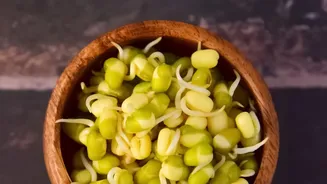
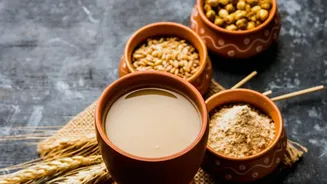
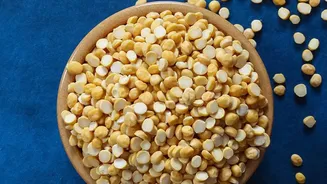
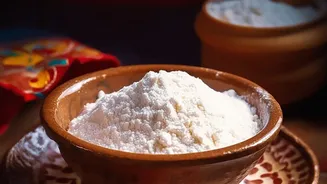
staples, long associated with rural diets and traditional households, are making a powerful comeback. Sattu, a flour made from roasted gram (chana), has been a source of strength for generations in states like Bihar and Uttar Pradesh. Sprouted chana (kala chana or black chickpeas) is a common sight in Indian kitchens. This resurgence is not just about nostalgia; it is a conscious choice driven by a deeper understanding of nutrition, sustainability, and cultural identity.
The Nutritional Powerhouse Explained
The primary reason for this shift lies in their impressive nutritional profiles. Sattu is a fantastic source of plant-based protein, with a 100-gram serving providing around 20-26 grams of protein. This is crucial for muscle repair and growth after a workout. Beyond protein, it is rich in dietary fibre, complex carbohydrates, and essential minerals like iron, calcium, and magnesium. The complex carbs ensure a slow, sustained release of energy, preventing the sugar crash associated with many processed energy drinks. Similarly, sprouted chana is packed with protein and fibre. The process of sprouting increases the bioavailability of nutrients, meaning the body can absorb vitamins and minerals like iron, zinc, and vitamin C more easily. Sprouting also reduces anti-nutrients, making the protein more digestible.
Sattu and Chana vs. Whey Protein
For many, the debate comes down to traditional foods versus modern supplements like whey protein. While whey protein offers a higher concentration of protein per scoop and is absorbed quickly, making it effective for immediate post-workout recovery, it is not the only option. Sattu and chana offer a more holistic nutritional package. The high fibre content in sattu not only keeps you feeling full for longer, aiding in weight management, but also supports a healthy gut, which is essential for nutrient absorption. For many people, plant-based proteins like sattu are also easier to digest than dairy-derived whey, which can cause issues for those with lactose sensitivity. Research indicates that chickpea flour can effectively support muscle building when paired with consistent exercise.
An Economic and Cultural Shift
The trend is also about smart economics and a return to authenticity. Sattu is often called the 'poor man's protein', but this affordability is precisely its strength in a market flooded with expensive health products. It provides high-quality nutrition without the hefty price tag of imported supplements. This movement signifies a broader cultural shift. Young Indians are increasingly celebrating local ingredients and traditional wisdom. Choosing sattu and chana is a vote for sustainable, accessible, and plant-based nutrition that is deeply connected to Indian food heritage. It reflects a growing confidence in the power of desi foods to meet modern fitness goals.
How to Fuel Your Fitness
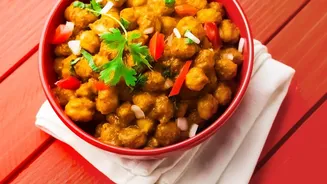
Incorporating these superfoods into a fitness routine is remarkably simple. The most popular way to consume sattu is as a refreshing drink. For a savoury version, mix a few tablespoons of sattu powder with water, a squeeze of lemon juice, black salt, and a pinch of roasted cumin powder. It can also be mixed into smoothies, used to make laddoos, or stuffed into parathas for a protein-rich meal. Sprouted chana can be eaten raw in salads, lightly steamed, or added to curries. A simple chana salad with chopped onions, tomatoes, and a dash of lemon makes for an excellent post-workout snack that aids in muscle recovery.