



Not Your Nani’s Halwa
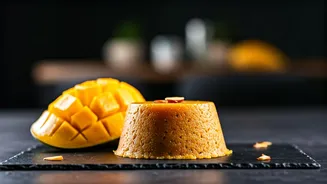
Imagine a familiar, comforting bowl of halwa. Now, swap the usual semolina or wheat for the earthy, nutty flavour of ragi (finger millet). Picture its dense, rustic texture brightened by the sunny, fragrant sweetness of pure Alphonso mango puree. This
is the Alphonso Ragi Halwa, a dessert that feels both radically new and deeply familiar. It’s a study in contrasts: the deep, muted colour of ragi swirled with vibrant gold, the wholesome graininess punctuated by the silky smoothness of mango. It’s less about cloying sweetness and more about a complex flavour profile that respects its ingredients, a culinary philosophy resonating deeply with a new generation of food lovers.
The Superfood Renaissance
At the heart of this trend is ragi, the humble millet that has been a staple in rural Indian diets for centuries. For years, it was sidelined in urban kitchens in favour of refined grains. But now, it’s back with a vengeance, rebranded as a 'superfood.' For Gen Z, a generation hyper-aware of wellness, ragi’s nutritional CV is impeccable. It’s naturally gluten-free, packed with calcium (more than ten times that of rice or wheat), rich in iron and fibre, and has a low glycemic index. This isn’t just about eating healthy; it's about eating smart. By incorporating ragi into a beloved dessert like halwa, the treat is transformed from a guilty pleasure into a mindful indulgence. It satisfies the craving for sweets without the subsequent sugar crash or health guilt.
The Taste of Authenticity and Luxury
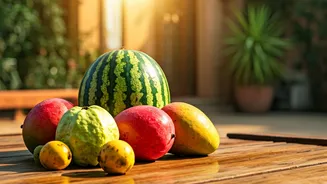
If ragi provides the dish's virtuous foundation, the Alphonso mango provides its soul and sparkle. Known as the 'King of Mangoes,' the Alphonso is not just any fruit; it’s a cultural icon, a symbol of summer, and a taste of pure bliss. Its inclusion instantly elevates the humble ragi halwa into a gourmet experience. For Gen Z, authenticity and quality are paramount. They are a generation that values craft, origin stories, and premium experiences. Using a GI-tagged, seasonal, and beloved ingredient like the Alphonso signals a commitment to quality over mass-produced flavour. It’s a fusion that feels thoughtful, not forced. It marries the rustic authenticity of millet with the aspirational luxury of the finest mango in the world.
Tradition, Remixed for a New Era
This dessert is a perfect example of a wider cultural movement: the 'remixing' of tradition. Gen Z in India isn't rejecting its heritage; it's reinterpreting it. They are looking back at the wisdom of their grandparents' generation—like the nutritional power of millets—and infusing it with their own modern sensibilities. The 'fusion' aspect isn't about confusing combinations; it’s about a confident and creative dialogue between the past and the present. It says, 'We honour the halwa our grandmothers made, and we are carrying that tradition forward in a way that feels true to us.' This approach allows them to connect with their roots without being constrained by them, creating new traditions in the process.
A Dish Made for the 'Gram
In the digital age, we eat with our eyes first, and this dessert is incredibly photogenic. The deep, earthy tone of the ragi provides a dramatic canvas for the vibrant yellow-orange of the Alphonso puree, often garnished with slivered almonds, pistachios, or even a delicate rose petal. It’s a visually appealing dish that pops on an Instagram feed. But it goes beyond aesthetics. Sharing a picture of this halwa is a form of social currency. It signals a sophisticated palate, an interest in wellness, and an appreciation for modern Indian creativity. It’s not just a picture of food; it's a visual shorthand for a lifestyle that is health-conscious, culturally rooted, and unapologetically modern. Every share and 'like' reinforces its status as the cool, new-old dessert to try.