






Fabric First: Choose Materials That Breathe and Dry Fast
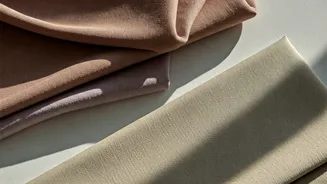
The single most important decision for monsoon dressing is choosing the right fabric. High humidity means you need materials that are lightweight and breathable. Fine cotton is a classic choice for its ability to let air circulate, though it can take
time to dry if you get soaked. For faster drying, consider fabrics like rayon, which feels silky but is more breathable, and cotton-linen blends that offer the best of both worlds—the quick-drying nature of linen and the softness of cotton. Synthetic options like crepe and georgette are also excellent as they dry quickly, don't cling uncomfortably when damp, and resist wrinkling. Fabrics to avoid include heavy denim, pure silk which can get water-stained, and thick leather, as they absorb and hold moisture for hours, feeling heavy and potentially developing a musty smell.
Smart Silhouettes: Keep Your Hemlines High and Dry
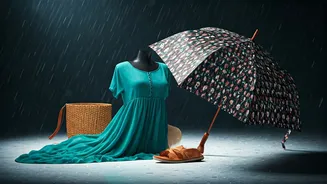
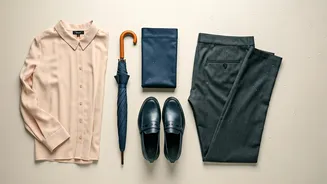
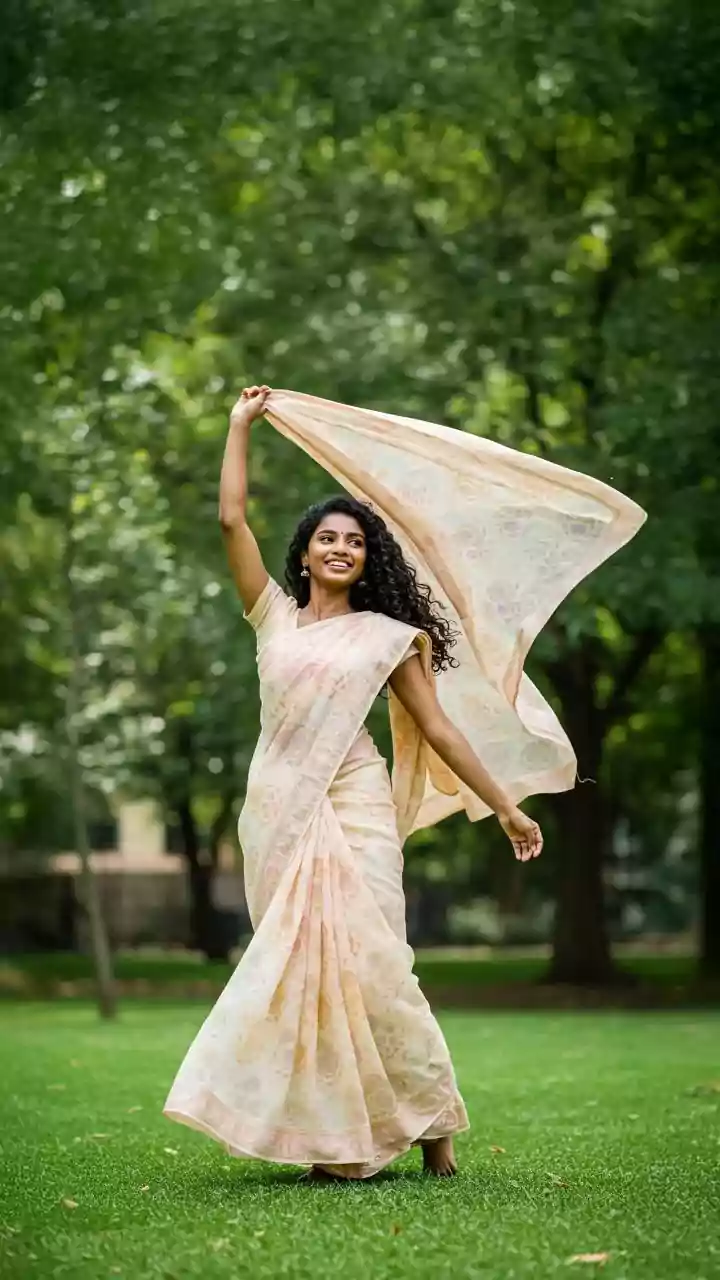
Navigating waterlogged streets means rethinking your outfit's length. This is the season to avoid long, trailing garments like maxi dresses, floor-length skirts, and wide-leg palazzos that can easily get soaked and muddy. Instead, opt for shorter hemlines. Cropped pants, culottes, and capris that end at the mid-calf are perfect for keeping your bottoms clean. For Indian wear, shorter kurtis paired with leggings or churidars are a practical alternative to long salwar suits with cumbersome dupattas. Dresses and skirts in a midi length are also a stylish and functional choice, offering coverage while staying clear of puddles. The goal is to create a look that is comfortable and allows you to move freely, even when the weather is unpredictable.
Footwear Fundamentals: Prioritise Grip and Waterproofing
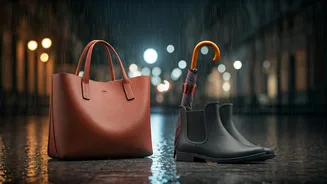
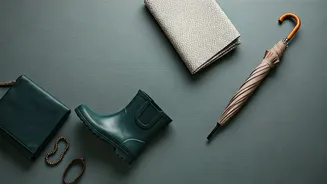
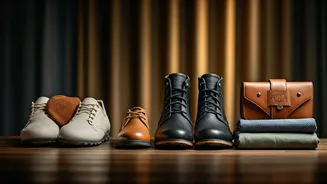
Monsoon is notoriously tough on footwear. Leather shoes can warp and get ruined, suede stains permanently, and canvas sneakers take ages to dry. The best footwear for the season is waterproof and provides a good grip on slippery surfaces. Rubber or PVC sandals, flip-flops, and jelly flats are excellent choices as they are easy to clean and dry instantly. Brands like Crocs are popular for their proprietary resin material which is lightweight, odour-resistant, and perfect for wet conditions. If you need more coverage, look for waterproof boots or floaters. When choosing any footwear, ensure it has an anti-skid sole to prevent slips and falls. It might be wise to keep a separate pair of office shoes at your workplace to change into after your commute.
Colour Your Wardrobe: Bright Hues for Gloomy Days
Grey skies can feel gloomy, but your wardrobe doesn’t have to match. Wearing bright and vibrant colours is a great way to lift your spirits during the monsoon. Shades like sunshine yellow, vibrant pink, orange, and electric blue can make you stand out and add a cheerful touch to a dreary day. Prints, especially florals, are also a great choice. Beyond the aesthetics, there's a practical reason to embrace colour: dark and vibrant hues are better at hiding mud splashes and water marks compared to whites and pastels. While an all-white outfit is a classic look, it's best saved for days when there's no rain in the forecast.
Accessorise Wisely: The Final Functional Touches
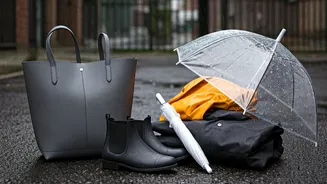
Your accessories also need to be monsoon-proof. Swap your expensive leather handbag for a waterproof tote, a nylon backpack, or a fun PVC sling bag to keep your essentials safe and dry. When it comes to jewellery, it's best to keep it minimal. Heavy, chunky metal pieces can be cumbersome and may tarnish in the humidity. Opt for simple studs, plastic jewellery, or beaded pieces that won't get damaged by the rain. A lightweight scarf can replace a heavy dupatta and add a pop of colour. Finally, a sturdy, colourful umbrella and a stylish, lightweight raincoat or poncho are your first line of defence and can be a fashion statement in themselves.