




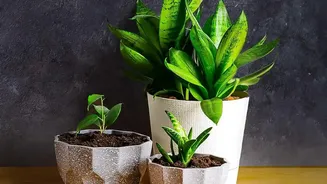
The Sculptural Survivor: Snake Plant
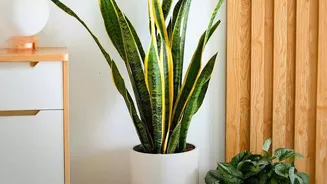
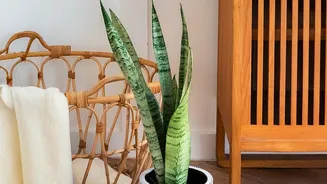
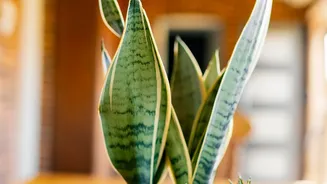
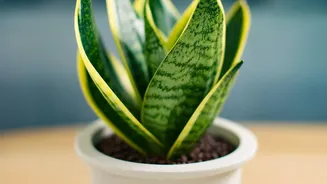
The Snake Plant, or Dracaena trifasciata, is the very definition of resilient elegance. With its stiff, upright, sword-like leaves, it brings a touch of modern, architectural beauty to any space. Varieties can range from compact desk-sized plants to taller
floor specimens, often featuring striking patterns of green edged with yellow or silver. Its nickname, 'mother-in-law's tongue', hints at its sharp appearance, but its care routine is anything but sharp—it is famously forgiving. This plant is a quiet achiever, perfect for those who want the beauty of nature without the demanding schedule. It grows slowly and steadily, content in a corner and unbothered by occasional neglect.
The Cascading Classic: Trailing Pothos
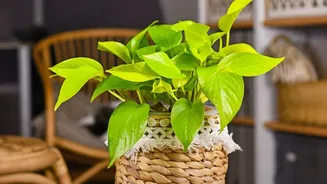
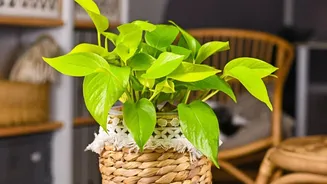
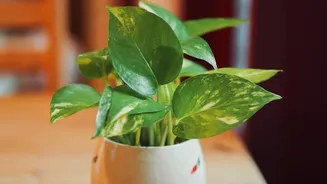
Pothos, also known as Devil's Ivy, is a fast-growing vine celebrated for its heart-shaped leaves and lush, trailing habit. It's one of the easiest plants to grow, capable of thriving in a wide array of conditions, from a bright room to a dimly lit office corner. Its vines can drape elegantly from a high shelf or the edge of your bedroom table, creating a soft, romantic look. Common varieties like the Golden Pothos feature beautiful green and yellow variegation, while others offer shades from neon green to marble white. It’s a plant that gives back generously; its rapid growth provides a satisfying sense of accomplishment for new plant parents.
Why They Are Perfect for the Bedroom
Both plants are more than just pretty faces; they are ideal companions for a restful space. One of the most cited benefits is their ability to improve air quality. A famous NASA study identified the Snake Plant as effective at filtering common household toxins like formaldehyde and benzene. Uniquely, the Snake Plant converts carbon dioxide into oxygen at night, a process most plants perform during the day. This quality makes it a fantastic bedside plant, potentially contributing to a fresher environment while you sleep. Pothos is also known for its air-purifying capabilities, helping to remove toxins and eliminate odours. Beyond the science, the simple presence of greenery can have a calming effect, reducing stress and making your bedroom a more tranquil sanctuary.
The Essentials of Easy Care
The secret to keeping these plants alive is to embrace a 'less is more' approach. Both are famously tolerant of low light, though they perform best in bright, indirect sunlight. A spot near a window but out of direct, scorching sun is ideal. The single biggest mistake is overwatering. For the Snake Plant, wait until the soil is completely dry before watering again—this might mean once every few weeks, and even less in winter. It is highly susceptible to root rot, so when in doubt, wait a few more days. Pothos is slightly thirstier but still prefers its soil to dry out between waterings. A good rule is to water when the top inch or two of soil feels dry. Both plants are happy in standard household temperatures and humidity.
Styling Your Bedroom Greenery
On a bedroom table, these two plants offer different but complementary aesthetics. A Snake Plant, with its vertical growth, can act as a living sculpture. It adds height and structure without taking up a wide footprint, making it perfect for smaller tables or cluttered nightstands. Pair it with a simple, elegant pot that complements its clean lines. A Pothos, on the other hand, is perfect for adding a touch of wildness. Let its vines trail down the side of the table or a nearby bookshelf for a cascading, romantic effect. You can even train them to climb up a small trellis. Using them together creates a dynamic display of texture and form—the upright structure of the Snake Plant contrasted with the soft, flowing Pothos.
A Note on Safety
While these plants are wonderful additions to the home, it's important to note that both Snake Plants and Pothos are considered mildly toxic to cats and dogs if ingested. Chewing on the leaves can cause irritation, nausea, or vomiting. If you have curious pets, it's best to place these plants out of their reach. Fortunately, their placement on a bedroom table often keeps them away from floor-roaming companions.