

The Allure of Agumbe in Monsoon
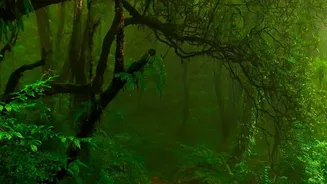
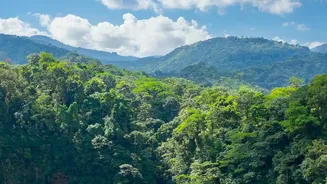
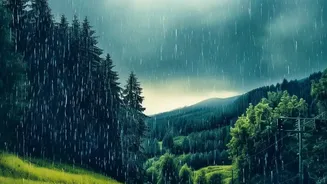
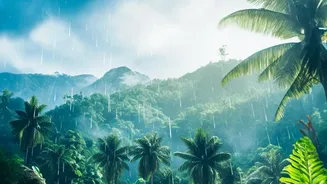
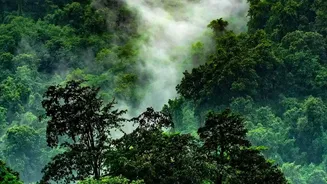
Often called the 'Cherrapunji of the South', Agumbe receives some of the highest rainfall in Southern India. This transforms the landscape into a vibrant canvas of emerald greens, shrouded in mist and alive with the sounds of the rainforest. During monsoon,
the region's numerous waterfalls are at their most majestic, and the entire ecosystem teems with life, from exotic birds to rare amphibians. For photographers, this season offers dramatic skies, mist-laden valleys, and a unique opportunity for macro photography, capturing dewdrops on spiderwebs or the brilliant colours of tiny frogs. The destination is also famous for its association with the classic TV series 'Malgudi Days', which was filmed in the quaint village.
Planning the Perfect Monsoon Drive
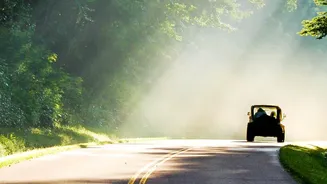
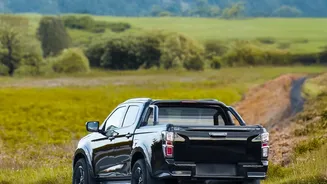
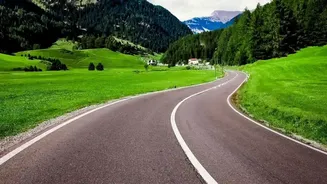
The drive from Bangalore to Agumbe covers approximately 350-380 kilometres and takes about 7 to 8 hours. A popular route runs through Hassan, Belur, and Sringeri before entering the final ghat section. While the roads are generally well-maintained, monsoon driving in the ghats requires caution. Roads can be slippery, and visibility is often low due to fog and heavy rain. It's essential to ensure your vehicle's tyres, wipers, and lights are in excellent condition. Drive slowly, honk on blind curves, and avoid sudden braking. For those new to ghat driving, it's wise to travel during the day. Carrying a physical map, a power bank, and a first-aid kit is also highly recommended.
Must-Visit Photography Spots
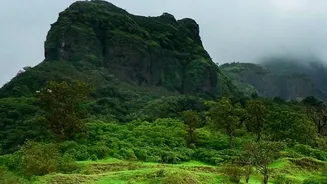
The journey itself is a gallery of photo opportunities, but certain spots demand a dedicated stop. Kundadri Hill, a monolithic rock with a 17th-century Jain temple at its summit, offers breathtaking panoramic views of the surrounding rainforest, especially when the mist parts. The temple towns of Sringeri and the Gopalakrishna Temple near Agumbe provide stunning examples of ancient Hoysala architecture against a lush backdrop. The main attraction for many is the Agumbe Sunset View Point. While a clear sunset is rare during monsoon, the viewpoint offers a spectacular canvas of rolling clouds and mist-filled valleys, creating a different kind of magic.
Chasing Waterfalls in the Rainforest
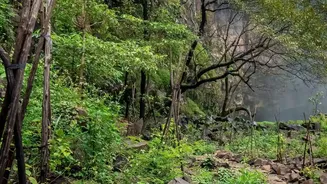
Agumbe is home to several spectacular waterfalls that are at their peak during the monsoon. Barkana Falls, one of the highest in Karnataka, cascades from over 800 feet and is a sight to behold, though it often requires a trek to view up close. Onake Abbi Falls, named for its resemblance to a pestle ('Onake' in Kannada), is reached via a rewarding trek through the dense forest. For a more accessible option, Jogi Gundi Falls is a short walk from the road and features a serene pool at its base, perfect for a quick dip if conditions are safe. Remember that trekking trails can be slippery and infested with leeches, so sturdy waterproof footwear and leech socks are advisable.
Tips for Rainforest Photography
Photographing in a rainforest during monsoon comes with unique challenges and rewards. Protecting your gear is paramount; use a rain cover for your camera and carry silica gel packs in your bag to absorb moisture. The low light under the canopy means you'll likely need to use a higher ISO or a tripod for sharp images. Look for opportunities beyond grand landscapes. Macro photography is particularly rewarding, with endless subjects like insects, fungi, and colourful flora. A polarising filter can help reduce glare on wet leaves and saturate the greens. Most importantly, be patient. The rainforest reveals its secrets slowly, and waiting for the right light or a break in the rain can lead to the most memorable shots.