


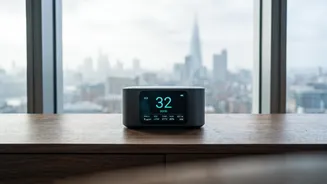


For millions across India, an outdoor workout is a cherished daily ritual. But as city skies grow hazy, a critical question emerges: is our dedication to fitness being undermined by the very air we breathe during our runs, walks, and cycles?
The Air We Breathe During Exercise
When we exercise,
our breathing rate and depth increase dramatically. A person at rest might inhale about 6 litres of air per minute, but this can surge to 90 litres or more during a strenuous workout. This increased intake floods our muscles with vital oxygen, but it also means we inhale a much larger dose of whatever else is in the air. This includes fine particulate matter, especially PM2.5 — tiny pollutants smaller than 2.5 micrometres that can bypass the body's natural filters, lodge deep in the lungs, and even enter the bloodstream. Inhaling these particles can trigger inflammation, oxidative stress, and vascular dysfunction, putting a strain on the cardiovascular system.
When Benefits Begin to Fade
The headline's claim that pollution can 'negate' the benefits of exercise isn't just alarmism; it's rooted in a growing body of scientific evidence. Multiple studies show there is a tipping point where the harm from pollution begins to offset the good from physical activity. A large-scale study found that while exercise generally lowers the risk of death, those benefits were significantly reduced for people living in areas with high PM2.5 concentrations. Another study focusing on young adults found that increasing physical activity in highly polluted environments could adversely affect cardiovascular health. While moderate activity in low-to-moderate pollution still provides a clear benefit, intense or prolonged exercise in very poor air quality can elevate health risks to a point where they challenge, and in some cases outweigh, the gains.
A Practical Guide to AQI for Workouts
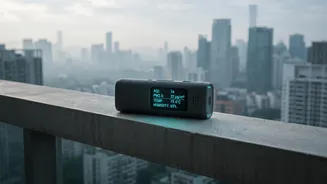
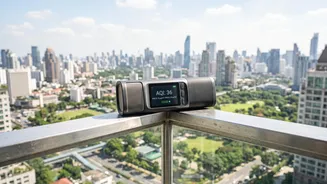
So, how do you decide whether to head out or stay in? The Air Quality Index (AQI) is your most important tool. For decisions in India, it's best to use data from official sources like the CPCB or SAFAR apps. Here is a general guide:
- AQI 0-100 (Good to Moderate): It's generally safe for most people to exercise outdoors. Sensitive individuals, such as those with asthma or heart conditions, might consider shorter or less intense workouts as the number approaches 100.
- AQI 101-200 (Poor/Unhealthy): Caution is advised. Healthy individuals might still manage shorter, less intense activity, but it's best to avoid prolonged or heavy exertion. Those in sensitive groups should strongly consider moving their workout indoors.
- AQI 201+ (Very Poor to Severe): On these days, it is safest for everyone to avoid outdoor exercise. The risk of inhaling harmful pollutants is too high, and official health advisories in cities like Delhi often recommend against outdoor morning walks on such days.
Smarter Strategies for Exercising Outdoors
On days when the air quality is not ideal but not yet hazardous, you can adapt your routine to minimise exposure. Always check the AQI before you leave home. Try to schedule your workout for times when pollution is typically lower, which is often in the mid_morning or afternoon rather than early morning or late evening when pollutants can be trapped closer to the ground. Choose your location wisely; a park or a quiet, tree_lined street will have better air quality than a road with heavy traffic. Consider shortening the duration of your outdoor session and reducing its intensity. For example, a brisk walk might be a better choice than a long, hard run.
The Rise of the Indoor Workout
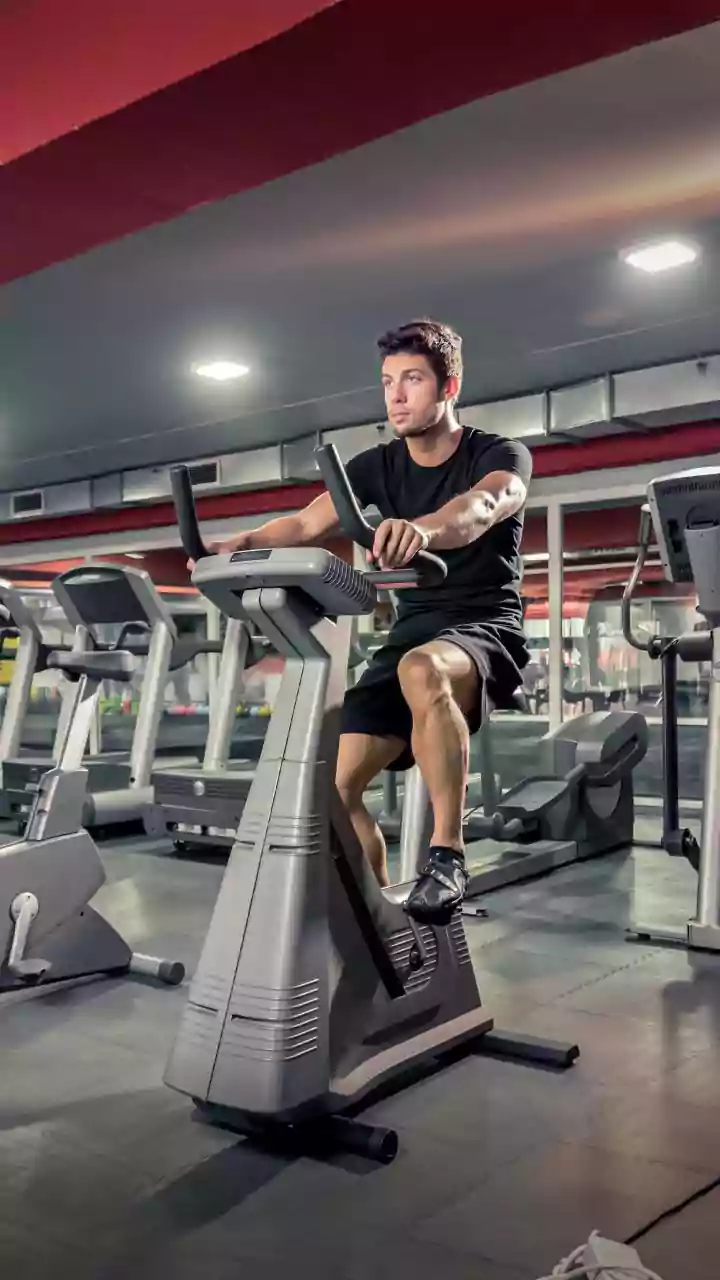
On days with high AQI, moving your fitness routine indoors is the safest bet. This doesn't have to mean a trip to a crowded gym. Home workouts have become an effective and popular alternative. Bodyweight circuits, which include exercises like squats, pushups, and planks, can provide a fantastic fullbody workout without any equipment. Yoga is another excellent indoor option that improves strength and flexibility, and it often incorporates breathing exercises (pranayama) that can help improve respiratory health. Other great indoor choices include Pilates, dancing, or using a stationary bike or treadmill.