




From Concrete Jungle to Green Corridors
As urban development consumes natural landscapes, green spaces within cities are becoming increasingly fragmented and scarce. For many city residents, the desire to connect with nature has led them to the most personal of spaces: their own balconies.
This delightful trend sees pots of herbs, flowers, and vegetables turning into more than just a hobby; they are becoming vital pit stops for urban wildlife. What may seem like an insignificant patch of green is, in fact, part of a larger, informal network. When entire neighbourhoods participate, these individual balconies link up to form 'nectar corridors'—chains of small habitats that help pollinators and birds navigate the otherwise harsh urban environment.
The Accidental Conservationists
Many people start a balcony garden to grow their own herbs, enjoy the sight of flowers, or simply improve their home's aesthetic. Along the way, they become accidental conservationists. These small green spaces provide essential resources for pollinators, whose populations are under threat globally. A balcony garden acts like a roadside café on a long highway, offering nectar, pollen, and shelter to bees, butterflies, and other insects as they travel across the city. This support is crucial, as nearly three-quarters of the world's food crops depend on pollination. By cultivating these mini-ecosystems, urban gardeners are playing a small but meaningful role in maintaining local biodiversity.
Planting with Purpose
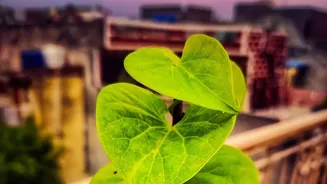
The key to attracting wildlife is to plant with intention. While ornamental foliage looks nice, it's the flowering and native plants that do the heavy lifting. Easy-to-grow choices like Marigold and Hibiscus are favourites for attracting bees and butterflies. Flowering Tulsi is not only a household staple but also a magnet for pollinators when it blooms. Experts also suggest letting herbs like coriander and mint flower to provide an extra food source. One wildlife photographer in Delhi recommends a simple three-part formula: include a host plant for the butterfly life cycle (like lemon), a flowering plant for pollinators (like bougainvillaea), and a food-bearing plant for birds (like pomegranate or capsicum). Planting a variety of species that bloom at different times ensures a year-round food supply.
More Than Just Plants
A successful balcony habitat offers more than just food. Water is a critical and often overlooked resource for urban wildlife. A simple, shallow dish of water with a few pebbles or stones inside provides a safe place for birds and bees to drink and bathe without the risk of drowning. It is also crucial to avoid chemical pesticides, which can be lethal to the very creatures you hope to attract. Many experienced gardeners use natural methods like companion planting or neem oil to manage pests. Finally, creating shelter is important. Densely packed pots can offer protection from wind, while a small, dedicated 'bee hotel' can provide nesting space for solitary bees.
Good for Nature, Good for You
The benefits of these green balconies extend beyond the ecological. For the gardeners themselves, these spaces provide a powerful connection to nature and a source of daily joy. The simple act of tending to plants and observing the visiting wildlife can be a therapeutic activity, reducing stress and improving mental well-being in the bustle of city life. For families with children, a balcony garden is a living classroom, offering hands-on lessons about ecosystems and the life cycles of plants and insects. It's a reminder that even in a high-rise apartment, it is possible to cultivate a space that is teeming with life.