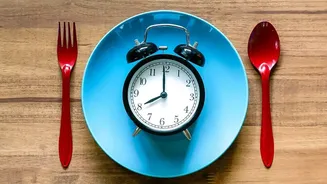








Your Body’s Internal Clock
Deep inside your brain is a master clock known as the suprachiasmatic nucleus, or SCN. This tiny cluster of cells orchestrates your body's circadian rhythms — the 24-hour cycles that govern nearly all your biological processes, from hormone release to
body temperature and, crucially, your sleep-wake cycle. Think of it as your body's internal operating system, keeping everything running on a predictable schedule. This master clock is primarily synced by light exposure, which is why you naturally feel alert during the day and sleepy at night. However, a growing body of research shows that another powerful cue helps regulate this system: the timing of your meals. This field of study, known as chrononutrition, explores how aligning food intake with our natural rhythms can have profound effects on our health.
The Meal Timing and Metabolism Link
Your metabolism isn't a static machine; it has its own daily rhythm. Digestive efficiency, insulin sensitivity, and the ability to burn fat are all higher during daylight hours and decline as evening approaches. When you eat a large meal late at night, you're asking your digestive system to work overtime when it's naturally winding down for the night. This mismatch can disrupt metabolic processes. Studies show that late eating is associated with higher blood sugar levels and can shift your metabolism away from burning fat and towards storing it. One study found that delaying meal times by just four hours, even when total calories and sleep times were kept the same, significantly decreased fat oxidation. Your body is simply better equipped to process and use energy from food earlier in the day.
Boosting Fat Oxidation As You Rest
The magic of burning fat while you sleep is heavily influenced by when you last ate. Consuming your final meal several hours before bed gives your body time to digest and process those nutrients. This allows your insulin levels to fall and your body to transition more efficiently into a state of fat oxidation overnight. In contrast, a late dinner keeps insulin levels elevated, which effectively signals your body to store fat rather than burn it. Research demonstrates that an earlier eating window helps align food intake with the times your body is most metabolically active. This not only helps manage weight but also improves metabolic flexibility, which is your body’s ability to switch efficiently between using carbohydrates and fats for fuel.
Unlocking Deeper, More Restorative Sleep
Eating late at night can directly interfere with the quality of your sleep. The process of digestion, known as diet-induced thermogenesis, raises your core body temperature. This is counterproductive, as your body needs to cool down to initiate and maintain deep sleep. A full stomach can also lead to physical discomfort and an increased risk of acid reflux when you lie down, causing micro-arousals that fragment your sleep. While some studies show mixed results on overall sleep stages, many indicate that late eating can disrupt sleep architecture, potentially reducing the time spent in restorative deep sleep and REM sleep, especially later in the night. By finishing your dinner at least two to three hours before bedtime, you give your body temperature a chance to drop and your digestive system a chance to settle, paving the way for a smoother transition into uninterrupted, high-quality sleep.
How to Align Your Evening Meal
Making the switch to an earlier dinner doesn't have to be complicated. Start by gradually shifting your evening meal earlier by 15-30 minutes each week until you find a sustainable schedule. Aim to finish eating at least three hours before your intended bedtime. If you must eat later, opt for a smaller, lighter meal that is lower in fat and protein, as these nutrients have a higher thermic effect and are slower to digest. Focus on consuming the majority of your daily calories earlier in the day when your metabolism is at its peak. Consistency is also key; maintaining a regular eating schedule helps regulate your body's 'food clock', which reinforces a stable sleep-wake cycle and enhances overall metabolic health.