


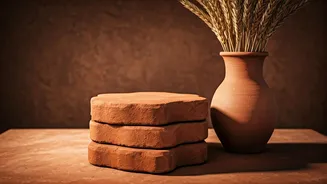


An Antidote to Urban Monotony
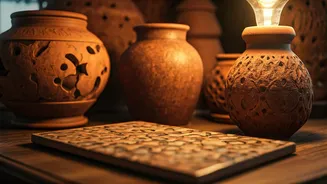
In the concrete jungles of urban India, where apartment buildings often share a uniform aesthetic, there is a growing desire for homes that feel personal and soulful. Clay and terracotta, with their warm, earthy tones and tactile textures, offer a welcome
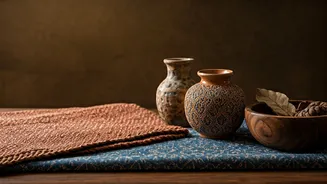
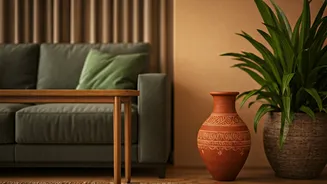
contrast to the sleek but often impersonal feel of modern interiors. Designers note a definitive shift away from cool greys and stark whites toward a palette of terracotta, sage, and ochre. These colours are not just visually appealing; they are psychologically grounding, creating a sense of stability and calm in a fast-paced world. The natural imperfections in handmade clay pieces add a layer of character that mass-produced items cannot replicate, making a space feel unique and lived-in.
The Pull of Sustainable Living
The resurgence of clay is also deeply tied to a growing consciousness around sustainability. As consumers become more aware of their environmental footprint, they are actively seeking decor that is both beautiful and eco-friendly. Terracotta, which translates to “baked earth,” is a natural, biodegradable material that requires significantly less energy to produce compared to plastic or metal alternatives. Choosing locally sourced clay products also reduces the carbon footprint associated with long-distance shipping. This move away from “fast decor” toward long-lasting, meaningful pieces aligns with a broader shift towards mindful consumption and creating homes that are kind to the planet.
A Bridge to Cultural Heritage
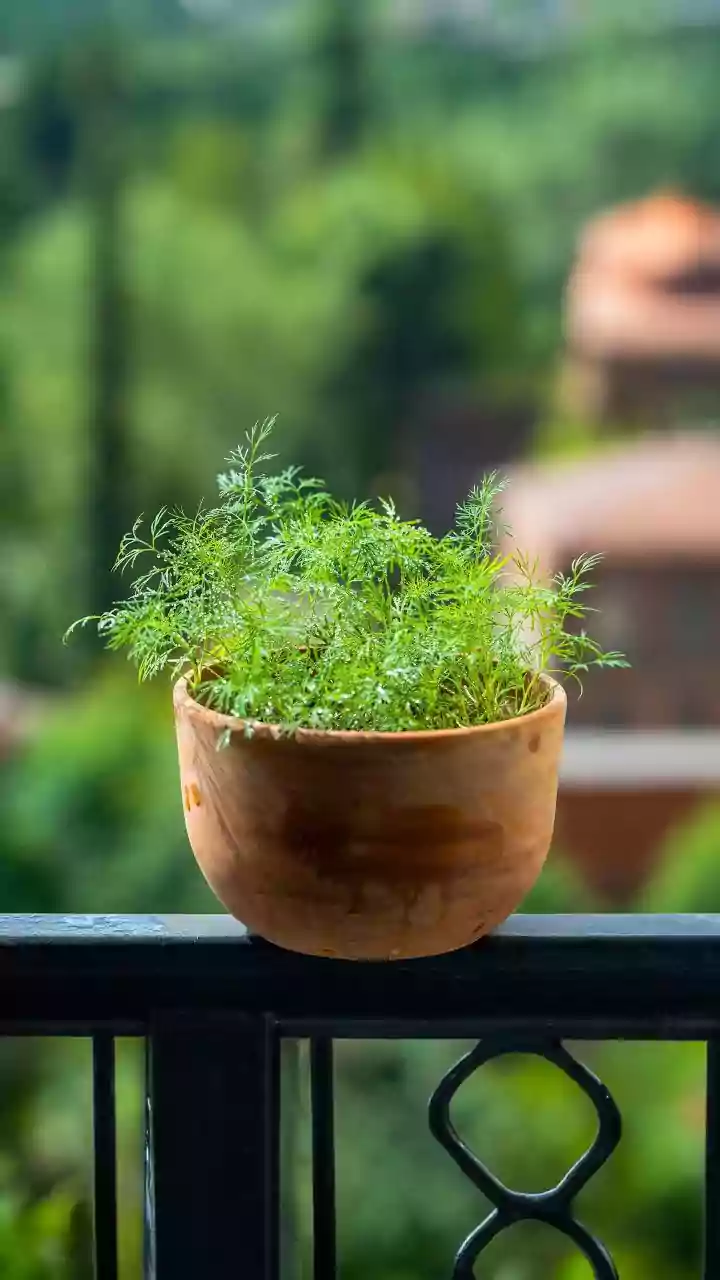
For many, bringing clay into the home is a way of connecting with cultural roots and traditions. The simple earthen matka for cooling water, the diya during festivals, and the rustic kullad for tea are all powerful symbols embedded in the Indian psyche. This trend goes beyond mere nostalgia; it represents a tangible link to a rich artisanal heritage. By choosing handcrafted terracotta, consumers are directly supporting local artisans and helping to preserve craft forms that have been passed down through generations. This support is vital for rural economies, where the craft sector is a major source of employment after agriculture, empowering artisans to continue their work with dignity.
Designing for Wellness and Comfort
The benefits of incorporating natural materials into our living spaces extend to our well-being. Environmental psychology studies have shown that exposure to elements from nature, like clay, wood, and stone, can reduce stress, lower blood pressure, and improve mood. These materials create a calming and restorative atmosphere. Clay also has practical benefits, such as its natural porosity, which helps regulate humidity and temperature. Terracotta tiles and panels can help keep interiors cooler in warm climates, reducing the reliance on air conditioning. In a post-pandemic world where the home has become a sanctuary, creating an environment that promotes health and tranquility is a top priority.
Ancient Material, Modern Forms
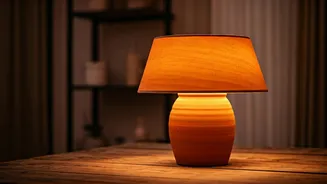
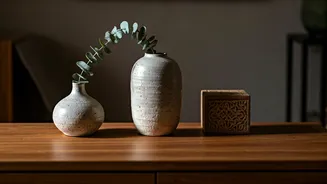
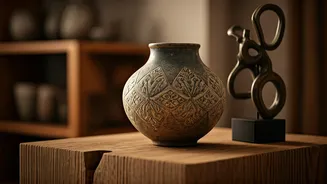
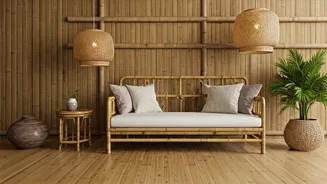
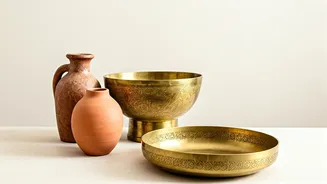
This revival is not about turning apartments into traditional village huts. Instead, designers and artisans are innovating, adapting clay for the contemporary home. Terracotta is no longer confined to pots and planters. It is now appearing in textured wall finishes, sculptural light fixtures, minimalist tableware, and even as structural elements like jaali screens and facade tiles. Artisans are blending age-old techniques with modern design sensibilities, creating pieces that feel both timeless and current. This fusion allows the earthy material to sit comfortably alongside modern furniture and minimalist aesthetics, proving that tradition and modernity can coexist beautifully.