



Beyond the Monument Checklist
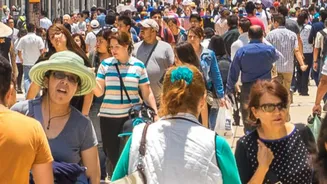
Conventional tourism often feels like a scavenger hunt for photo ops. You board a bus, listen to a disembodied voice on a speaker, and hop off to see a famous building, usually surrounded by hundreds of others doing the same. While these sites have historical
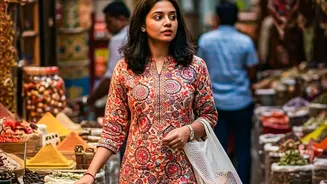
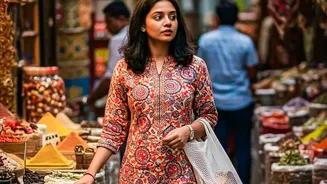
importance, the experience can feel detached and superficial. You see the city, but you don't necessarily feel it. It’s a passive experience, observing a place from behind a velvet rope or the window of a tour bus. This checklist approach rarely leaves room for spontaneity or genuine interaction. You might tick off the top five attractions, but you'll likely miss the city’s true rhythm, the one that beats in its neighbourhood bakeries, bustling markets, and tiny, family-run eateries.
A Story in Every Bite
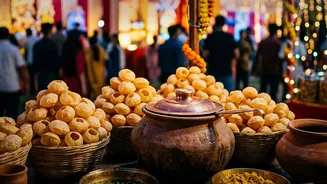
A walking food tour fundamentally changes this dynamic. It’s not just about eating; it's about tasting a culture. Every local dish, whether it's a street-side snack or a generations-old recipe, tells a story of the region's history, climate, and people. A guide on a food tour doesn't just point you to a restaurant; they decode the menu, explain the origin of a particular spice, or share an anecdote about the chef's grandmother. This context transforms a simple meal into a memorable lesson in cultural heritage. You learn why certain ingredients are used, how a dish evolved over centuries, and its significance in daily life—insights you would never get from a guidebook.
The Human Connection
Perhaps the most significant advantage of a food tour is the human element. Instead of being one face in a massive crowd, you're part of a small, interactive group. This intimate setting fosters connections—with your guide, fellow travellers, and most importantly, with the locals. You'll chat with the baker who has been perfecting his dough for 40 years, the vendor whose family has sold produce at the same market stall for generations, or the chef who proudly shares their signature dish. Food is a universal language, and sharing a meal breaks down barriers, creating an environment for genuine conversation and understanding that conventional sightseeing rarely affords. You’re no longer a passive observer; you're an active participant in the local scene.
Follow the Locals, Not the Flag
Tourist traps are designed for, well, tourists. They often serve generic, simplified versions of local cuisine. A good food tour, however, is curated by locals who want to show off the real deal. They lead you away from the main thoroughfares and into the hidden alleyways and residential neighbourhoods where locals actually eat. These are the 'hidden gems' travellers dream of finding—the unassuming spots with incredible food that you'd likely never discover on your own. By moving at a walking pace, you also get to absorb the city's atmosphere between bites, noticing street art, unique architecture, and the small details of daily life that are missed when rushing from one major site to another.
Tasting the Local Economy
Your travel spending is powerful, and a walking food tour directs it where it matters most. These excursions almost exclusively partner with small, independent, and often family-run businesses. This provides a vital stream of income to local artisans, chefs, and producers who might otherwise be overlooked in a tourism landscape dominated by large chains and souvenir shops. By choosing a food tour, you are making a conscious decision to support the local economy directly and sustainably. This responsible approach ensures that your visit contributes positively to the community, helping to preserve the very culture and culinary traditions you came to experience.