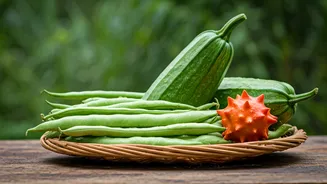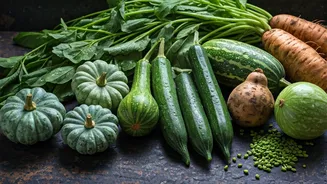








Bottle Gourd (Lauki)
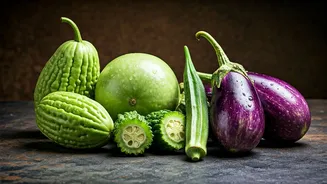
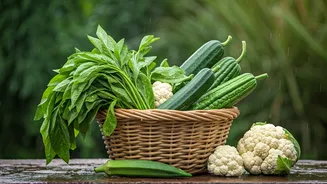
Often overlooked, lauki is a monsoon superstar. Composed of over 90% water, it's incredibly hydrating and easy on the stomach, making it perfect for a season when digestive issues are common. It's packed with soluble and insoluble fibre, which helps prevent
constipation and keeps your gut healthy. Furthermore, bottle gourd is rich in vitamins C and B, and essential minerals like sodium, iron, and potassium. Its cooling properties help manage blood pressure and keep the body calm. Whether you add it to a simple sabzi, grate it into a raita, or blend it into a juice, lauki is a versatile and gentle addition to your diet.
Bitter Gourd (Karela)
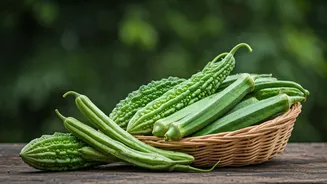
Don't let the bitterness scare you away! Karela is a powerhouse of nutrients that are especially beneficial during the rainy season. It's loaded with Vitamin C, a potent antioxidant that strengthens your immune system to fight off common monsoon ailments like colds and flu. Its bitter compounds are known to have blood-purifying properties and help regulate blood sugar levels. Karela is also antiviral and anti-inflammatory, offering robust protection against infections. To reduce its bitterness, you can salt it and let it rest for 30 minutes before cooking. A classic stir-fry or a stuffed karela dish can make this vegetable a delicious part of your meal.
Pointed Gourd (Parwal)
Parwal, also known as pointed gourd, is another humble vegetable that shines during the monsoon. It's a great source of vitamins A and C, antioxidants, and fibre. Its properties are particularly effective in keeping coughs, colds, and headaches at bay. According to Ayurveda, parwal helps balance the Kapha dosha, which can be aggravated during the damp monsoon weather, leading to congestion and sluggishness. It purifies the blood, improves appetite, and aids in digestion. Lightly sautéed or added to a flavourful curry, parwal is an excellent choice for maintaining vitality.
Indian Round Gourd (Tinda)
Tinda, or apple gourd, is a small but mighty vegetable perfect for the monsoon diet. It's extremely low in calories and easy to digest, preventing the feeling of heaviness that often accompanies rainy days. Its anti-inflammatory properties help soothe the digestive tract, while its high water content keeps you hydrated. Tinda is also a good source of antioxidants which help in flushing out toxins from the body and boosting overall immunity. It's a mild-flavoured vegetable that absorbs spices well, making it a great addition to mixed vegetable dishes or a simple, homestyle curry.
Sweet Potato (Shakarkandi)
While available in other seasons, sweet potatoes are a fantastic food to eat during the monsoon. They are an excellent source of dietary fibre, which promotes a healthy digestive system and prevents constipation. More importantly, they are incredibly rich in Vitamin C and Beta-carotene (a precursor to Vitamin A), both of which are crucial for a strong immune system. This combination helps your body build a formidable defence against infections. Roasting or boiling them brings out their natural sweetness, making for a comforting and nutritious snack on a rainy evening.
The Power of Roots: Turmeric and Ginger
While not vegetables in the traditional sense, fresh turmeric (kacchi haldi) and ginger (adrak) are non-negotiable during the monsoon. Ginger is a well-known remedy for sore throats, colds, and indigestion due to its powerful anti-inflammatory and antibacterial properties. Turmeric contains curcumin, a compound celebrated for its immense immunity-boosting and antiseptic qualities. Starting your day with a ginger-turmeric tea or adding generous amounts of both to your cooking can significantly reduce your risk of falling ill. They are nature’s own medicine, perfectly suited for the season's demands.