




Master the Art of Layering
The key to managing mountain weather is a smart layering system, not bulky sweaters. This approach allows you to adapt to changing temperatures throughout the day, from a cool morning hike to a warmer afternoon. Start with a moisture-wicking base layer made
of a synthetic fabric or merino wool to pull sweat away from your skin. Your mid-layer should provide insulation; a lightweight fleece or a packable down jacket is perfect. Finally, an outer layer, or shell, should be waterproof and windproof to protect you from the elements. This three-part system gives you multiple outfit combinations without the weight and bulk of single-purpose items.
Choose Multi-Purpose Clothing
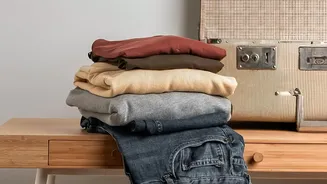
Every item in your carry-on should earn its place by serving multiple functions. Think convertible hiking pants that zip off into shorts, or a stylish flannel shirt that works on the trail and at a casual dinner. Choose clothing in a neutral colour palette so that everything matches, allowing you to create different looks with fewer pieces. A single pair of comfortable, broken-in hiking boots can often serve for both trekking and walking around town. If you need another pair, wear your heaviest shoes on the plane to save precious luggage space and weight.
Embrace Merino Wool
If you are going to invest in one type of travel fabric, make it merino wool. This natural fibre is a game-changer for lightweight packing. It's excellent at regulating body temperature, keeping you warm in the cold and cool in the heat. Crucially, merino wool is naturally odour-resistant, meaning you can wear items like socks, base layers, and t-shirts multiple times before they need washing. This allows you to pack fewer items overall. While it can be an investment, a few key merino wool pieces will dramatically lighten your load.
Downsize Toiletries and Electronics
Liquids and gadgets are surprisingly heavy. Instead of packing full-size bottles, decant your essential toiletries like shampoo and lotion into small, reusable travel-sized containers. Better yet, switch to solid alternatives like shampoo bars, conditioner bars, and soap leaves, which eliminate the risk of leaks and aren't subject to liquid restrictions at airport security. For electronics, consolidate chargers by using a multi-port USB wall plug. Unless you’re on a work trip, question whether you really need a heavy laptop or if a tablet or your phone will suffice.
Use Packing Cubes Strategically
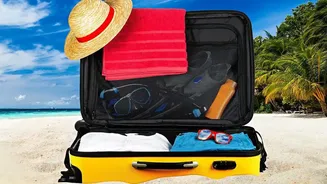
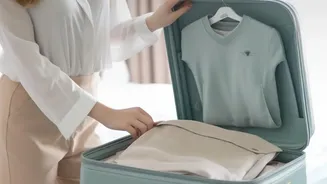
Packing cubes are essential for organisation and, when used correctly, for saving space. Compression packing cubes are particularly effective, as they have an extra zipper that squeezes out excess air, reducing the volume of your clothes. To maximise space within a cube, roll your soft clothes like t-shirts and base layers tightly. For more structured items like jackets, fold them flat. This not only helps you fit more into your carry-on but also makes it easy to find what you need without unpacking your entire bag.