


An Unexpected Scientific Encore
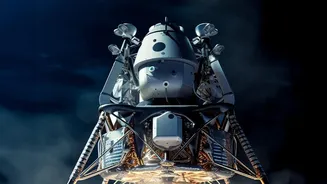
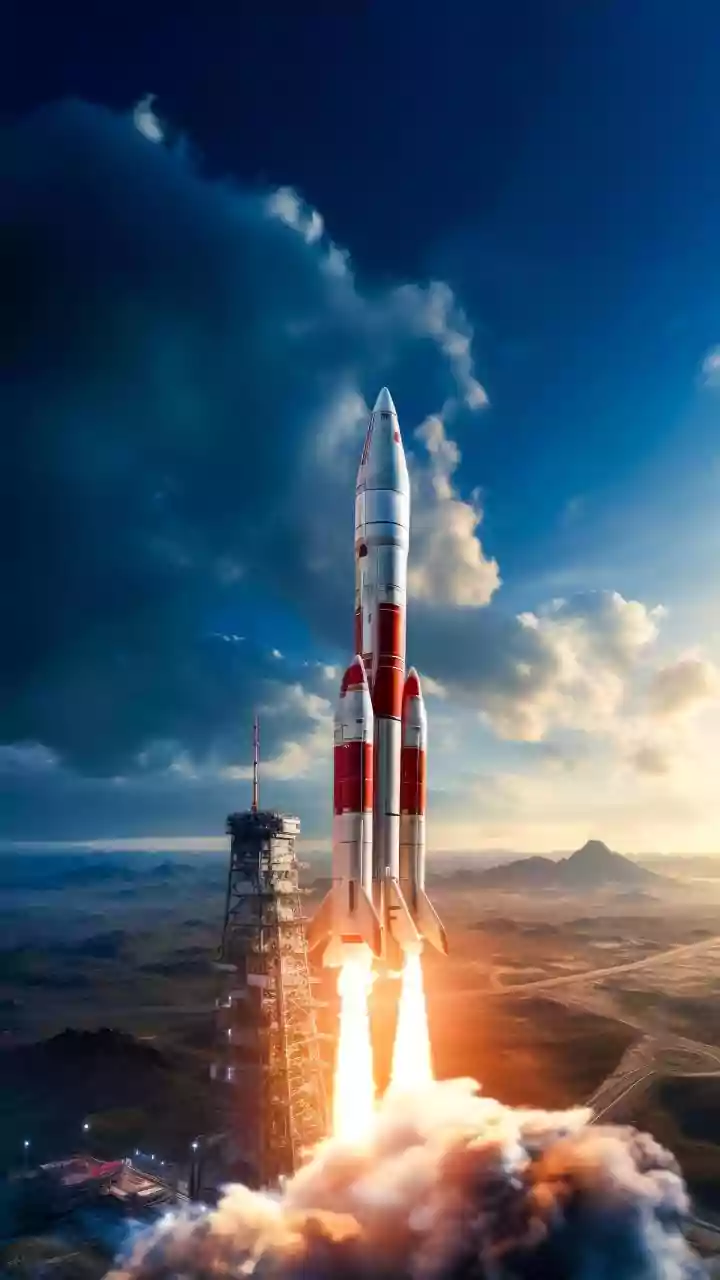
The object set to collide with the Moon today is a spent Falcon 9 upper stage from a SpaceX launch that occurred back in January 2025. This rocket stage successfully did its primary job, which was propelling Firefly Aerospace's Blue Ghost lander toward
the Moon. After deploying its payload, the four-tonne, building-sized piece of hardware was left in a looping, chaotic orbit. Due to a combination of gravitational forces and solar activity, astronomers calculated that its journey would end with a high-speed collision with the lunar surface. Rather than see it as a piece of space junk, scientists have re-framed this predictable crash as a bonus mission, offering a rare chance to study an impact event from beginning to end.
Science From a High-Speed Collision
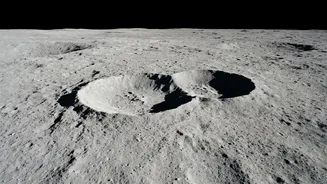
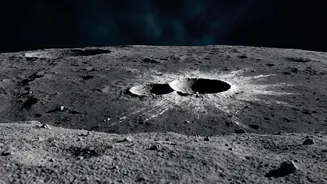
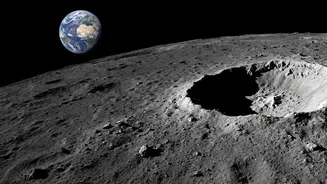
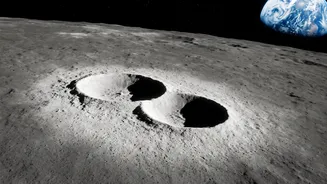
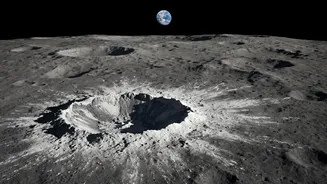
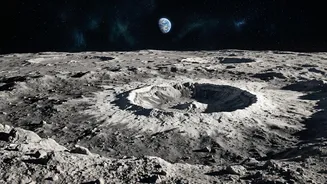
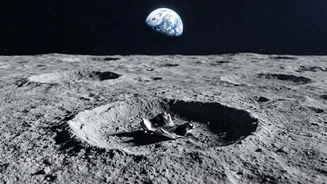
When the rocket stage hits the Moon near the Einstein and Bell craters, it will be travelling at approximately 8,700 km/h. The impact will carve out a new crater roughly 60 feet wide and blast a plume of lunar dust and rock high above the surface. This is where the science begins. By studying the composition of this ejected material, or 'ejecta', with spectrometers, scientists can get an unprecedented look at what lies just beneath the Moon's surface without having to land a dedicated digging mission. One of the primary goals is to search for signs of water ice. Discovering water is crucial for future long-term human missions, as it can be used for drinking water and be broken down into hydrogen and oxygen for rocket fuel. This impact essentially provides a free excavation, kicking up material that has been untouched for potentially billions of years.
A Legacy of Purposeful Impacts
Using impactors for science is not a new concept, though it remains a powerful one. NASA’s Apollo program deliberately crashed the third stages of its massive Saturn V rockets onto the Moon to create artificial moonquakes. Seismometers left by astronauts measured these tremors, giving scientists invaluable data about the Moon's internal structure. More recently, in 2009, NASA's LCROSS (Lunar Crater Observation and Sensing Satellite) mission executed a similar plan with incredible success. It sent an empty Centaur rocket stage crashing into the Cabeus crater, a permanently shadowed region near the south pole. A shepherding spacecraft flew through the resulting plume, confirming the presence of a significant amount of water ice and other useful materials, a landmark discovery that reshaped our understanding of the Moon.
A Sustainable Approach to Exploration
Today's event highlights a resourceful and cost-effective approach to space science. Instead of designing, building, and launching a dedicated mission from scratch, which costs hundreds of millions of dollars, space agencies can leverage hardware that has already completed its primary mission. This turns a potential piece of debris into a valuable scientific asset. As lunar traffic increases with NASA's Artemis program and numerous commercial missions, the number of spent rocket stages and other hardware in the Earth-Moon system will grow. Proactively planning for these impacts transforms a disposal issue into a scientific opportunity. It's a cosmic form of recycling, where every piece of hardware sent to space has the potential to contribute to our knowledge, even at the very end of its life.