

The Problem with Traditional Crackers
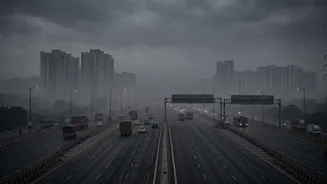
For decades, the sound and light of traditional firecrackers have been synonymous with Diwali. However, this comes at a significant cost to air quality. Conventional crackers are a cocktail of chemicals, typically containing fuel, an oxidiser like potassium
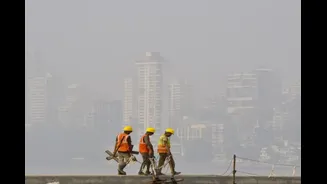
nitrate, a binder like sulphur, and various metallic salts to produce colours. Barium nitrate, for instance, creates green light but is a major source of pollution. When burst, these crackers release a dense cloud of fine particulate matter (PM2.5 and PM10), along with harmful gases like sulphur dioxide and nitrogen dioxide. These tiny particles can penetrate deep into the lungs and even enter the bloodstream, causing severe respiratory issues and exacerbating existing health problems.
What Makes a Cracker 'Green'?
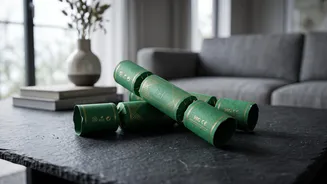
The term 'green cracker' doesn't refer to the colour, but to the environmental impact. Developed by the Council of Scientific and Industrial Research-National Environmental Engineering Research Institute (CSIR-NEERI), these are reformulated fireworks designed to be less polluting. Following a Supreme Court order in 2018 aimed at curbing pollution, these became the only legally permitted firecrackers in many parts of India. The core objective of green crackers is to deliver a similar visual and sound experience but with a significantly lower environmental footprint. They are not pollution-free, but they are designed to reduce particulate matter emissions by at least 30-40% compared to their traditional counterparts.
The Science of Cleaner Combustion
The key difference lies in the chemical composition. Green crackers eliminate many toxic metals and banned chemicals like barium nitrate. Instead, their formulations include unique additives that act as dust suppressants. For example, one category known as SWAS (Safe Water Releaser) releases water vapour upon bursting, which captures and settles dust particles instead of letting them become airborne. Others, like SAFAL (Safe Minimal Aluminium) use a reduced amount of aluminium, and STAR (Safe Thermite Cracker) crackers are formulated without potassium nitrate or sulphur. These changes in chemistry result in a more complete combustion, releasing fewer harmful by-products into the atmosphere.
Rules, Regulations, and Identification
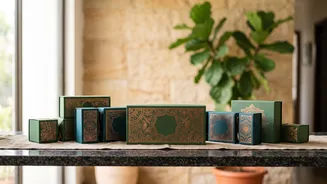
To ensure compliance and help consumers, a strict regulatory framework is in place. Only licensed manufacturers who have signed an agreement with CSIR can produce green crackers. The Petroleum and Explosives Safety Organisation (PESO) is the nodal agency for certifying these products. To distinguish them from illegal conventional crackers, all genuine green cracker boxes must display two key identifiers: the official CSIR-NEERI green logo and a scannable QR code. Scanning this QR code with a smartphone should lead to a page verifying the product's manufacturing details and authenticity. The rules also mandate noise limits, typically capping sound at 110-125 decibels.
Are They Making a Difference?
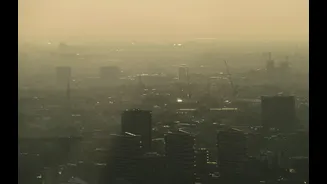
While green crackers represent a significant scientific step forward, their real-world impact is a complex picture. Studies confirm the 30% reduction in emissions in laboratory conditions, but on-the-ground effectiveness depends heavily on public awareness and strict enforcement. The market still faces challenges from counterfeit products that are falsely labelled as 'green'. Furthermore, even a 30% reduction is not a complete solution. Experts caution that while they are a cleaner alternative, they still release pollutants. Air quality data from previous Diwalis in cities like Delhi show that while the situation might be better than in the pre-2018 era, pollution levels still spike significantly, indicating that cracker emissions combine with existing pollution sources and unfavourable weather conditions.