

More Than Just Water: A Scientific Treasure
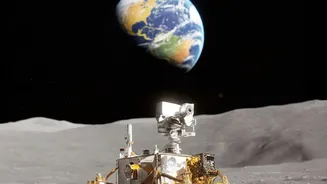
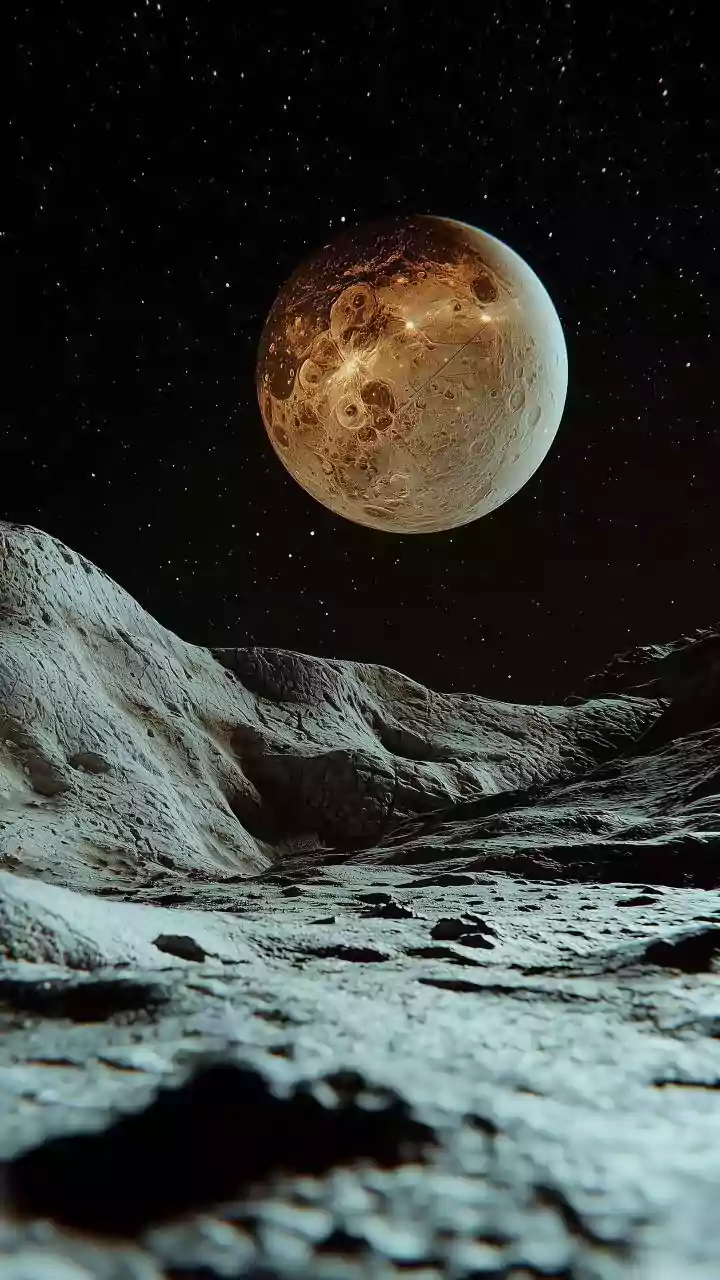
The primary target for Chandrayaan-4 is the water ice believed to be locked away in the permanently shadowed craters of the lunar south pole. These regions have not seen sunlight for potentially billions of years, making them unique time capsules. Scientists
believe that analysing this ancient ice on Earth, using advanced laboratory equipment, could unlock secrets about the origins of our solar system, how water was delivered to Earth and other planets, and the history of lunar volcanism. Unlike samples collected during the Apollo era from equatorial regions, south pole samples offer a completely different geological context, promising a new chapter in lunar science. Bringing these pristine samples back allows for a level of detailed analysis that remote instruments on a rover simply cannot match.
The Fuel Station of the Future
Beyond its scientific value, lunar water ice is a cornerstone resource for the future of space exploration. This concept, known as In-Situ Resource Utilization (ISRU), is about 'living off the land'. Water (H2O) can be separated into its constituent parts: hydrogen and oxygen. Oxygen can be used for breathable air for future astronauts, while hydrogen and oxygen together form a powerful rocket propellant. Establishing that vast, accessible reserves of water ice exist and can be harvested would transform the Moon from a desolate destination into a vital logistics hub. It could function as a refuelling station for missions heading deeper into space, such as to Mars, drastically reducing the cost and complexity of launching everything from Earth.
A Monumental Technological Leap for ISRO
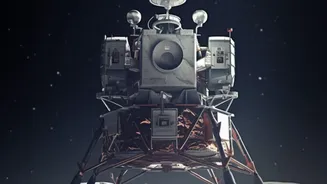
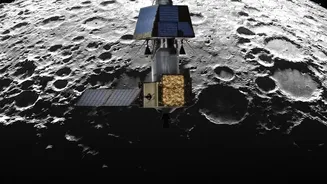
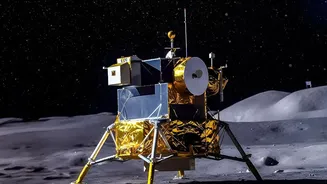
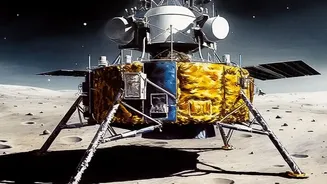
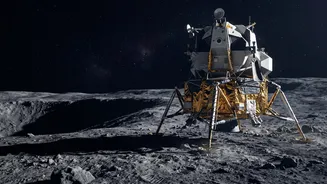
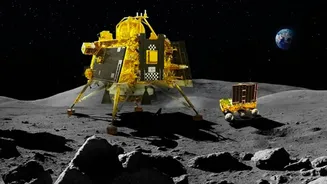
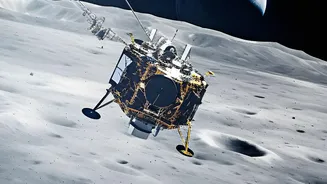
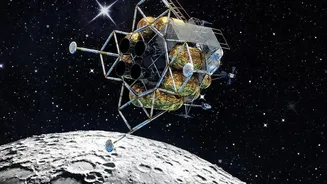
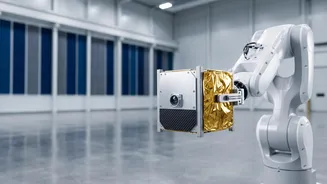
Successfully executing a sample-return mission is one of the most complex challenges in space exploration, a feat accomplished by only a handful of nations. The Chandrayaan-4 mission will involve at least five separate modules and require two launches. The mission profile is incredibly demanding: a soft landing, the use of a robotic arm and drill to collect surface and sub-surface samples, and storing them in a sealed container. Then, an ascent module must launch from the Moon's surface—a first for ISRO—and perform a docking manoeuvre in lunar orbit to transfer the sample to a re-entry module. This module will then travel back to Earth and survive a fiery re-entry to deliver its precious cargo. Mastering these technologies, especially rendezvous and docking, is a foundational step for India's long-term ambitions, including sending an astronaut to the Moon by 2040.
The Geopolitics of a Lunar Return
In the emerging global space economy, demonstrating advanced capabilities carries significant strategic weight. A successful Chandrayaan-4 mission would make India only the fourth country to return samples from the Moon. This achievement solidifies its position as a major player in space exploration, moving beyond successful landings to complex, round-trip operations. As multiple countries and private companies target the lunar south pole for its resources, being among the first to retrieve and analyse its ice provides a distinct advantage. It demonstrates not only scientific leadership but also the technical prowess required for future commercial or strategic operations on the Moon, from resource extraction to supporting a sustainable lunar presence. This mission is as much about national prestige and strategic positioning as it is about pure science.