



Why Humidity is a Hidden Danger
Unlike humans who sweat to cool down, dogs and cats primarily rely on panting. This process involves evaporating moisture from their lungs to release heat. However, when the air is already saturated with moisture—as it is in high humidity—this evaporation
process becomes inefficient. The air can't absorb the extra moisture from their panting, effectively disabling their main cooling mechanism. This can cause their body temperature to rise to dangerous levels very quickly, even when they are indoors. High humidity can also lead to skin issues like bacterial or fungal infections by trapping moisture in their fur.
Spotting the Early Warning Signs
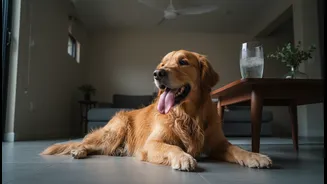
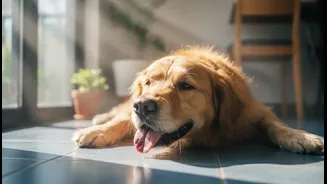
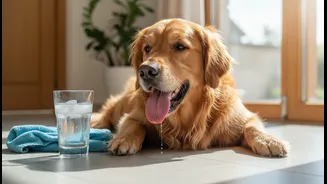
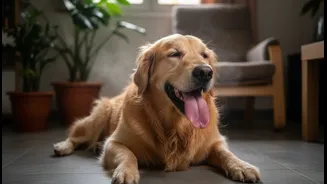
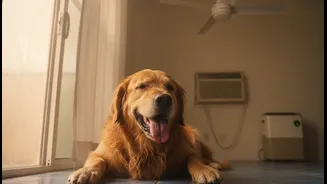
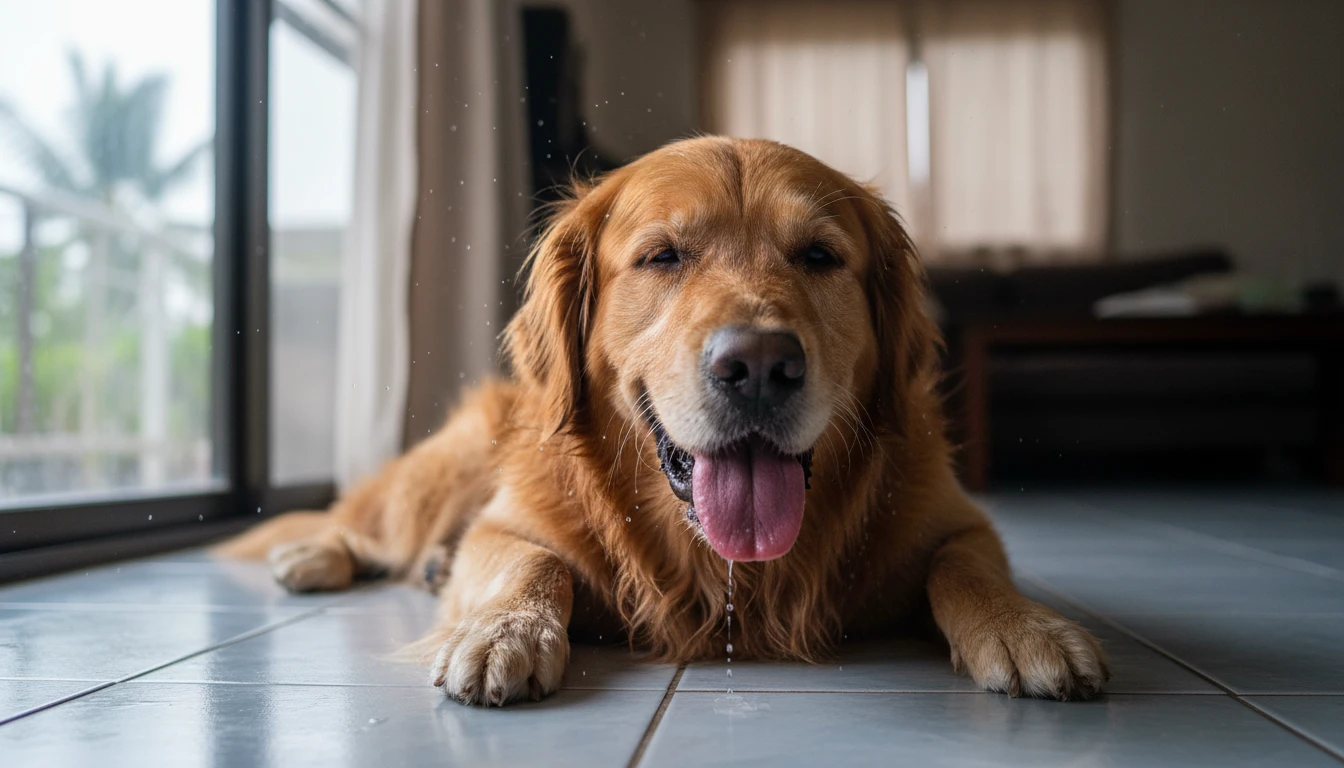
Recognizing the initial signs of overheating is critical to prevent a medical emergency. Early symptoms include excessive panting that doesn’t subside with rest, heavy drooling, and restlessness. You might notice your pet seeking out cool surfaces like tile floors or appearing more lethargic than usual. As the situation worsens, signs can progress to weakness, disorientation, vomiting, diarrhea, and bright red or pale gums. In cats, the signs can be more subtle, such as open-mouth breathing or frantic grooming in an attempt to cool their skin through evaporation.
Pets at Higher Risk
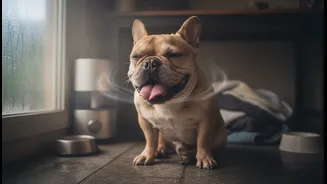
While all pets can suffer in the heat, some are more vulnerable. Brachycephalic, or flat-faced, breeds like Pugs, Bulldogs, Boxers, and Persian cats are at a significantly higher risk. Their compromised respiratory structures make it difficult for them to pant effectively even in ideal conditions. Other high-risk groups include very young or senior pets, overweight animals, and those with thick, dense coats such as Huskies and Chow Chows. Pets with existing health conditions, especially heart or respiratory problems, also struggle more with heat regulation.
Practical Ways to Cool Your Home
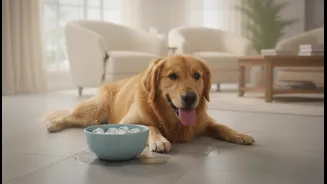
Managing your indoor environment is a daily task in humid weather. The ideal indoor humidity level for most pets is between 30% and 50%. Using an air conditioner is effective, but a dehumidifier is also a key tool for specifically targeting moisture in the air. Good ventilation is important; using ceiling or standing fans helps circulate air, which aids in evaporative cooling. Keep curtains closed during the hottest parts of the day to block solar heat. You can also provide your pet with a cooling mat to lie on or even place frozen water bottles wrapped in towels in their favorite resting spots. Always ensure they have access to multiple bowls of fresh, cool water.
What to Do in an Emergency
If you suspect your pet is suffering from heatstroke, immediate action is crucial. First, move them to a cool, shaded, or air-conditioned area. Begin cooling them immediately by applying cool—not ice-cold—water to their body, focusing on their paws, neck, and belly. Using a fan to blow air over their damp fur will speed up the cooling process. Do not use ice-cold water, as it can constrict blood vessels and trap heat. Even if your pet seems to recover, it is essential to contact a veterinarian immediately, as heatstroke can cause internal damage that isn't immediately apparent.