



More Than Just Meat on a Stick
The story of the kebab is an ancient one, believed to have started with medieval soldiers grilling meat over open fires. While often associated with meat, kebabs travelled from Persia and Turkey through the Mughal Empire into India, where they evolved
dramatically. India's rich history of vegetarianism led to a unique and delicious transformation. Rather than being a modern invention, vegetarian kebabs have deep roots in Indian culinary traditions, especially in Awadhi cuisine from Lucknow. Legendary dishes like the Dahi ke Kabab were crafted in royal kitchens for nawabs, proving that plant-based versions have long been a part of this celebrated food's history. These dishes were designed for flavour and texture, a principle that remains key today.
The Instagram-Perfect Trap
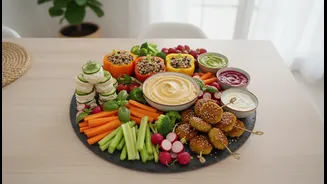
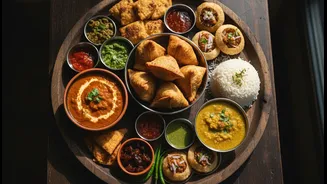
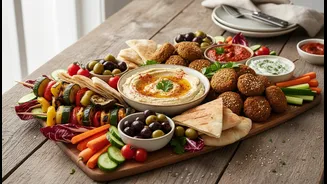
The modern snack board—or grazing platter—is a visual feast. On social media, they are often elaborate, perfectly styled, and immense. The hype encourages an 'everything but the kitchen sink' approach, with aesthetics sometimes prioritised over flavour harmony. While visually impressive, these boards can be impractical and overwhelming. The pressure to create a flawless, photo-ready spread can overshadow the simple joy of sharing good food. The best approach is to move beyond the hype of creating a perfect picture and focus instead on a well-curated selection of items that genuinely taste good together. A great board invites people to gather and eat, not just to admire and photograph.
Building Your Star-Studded Kebab Board
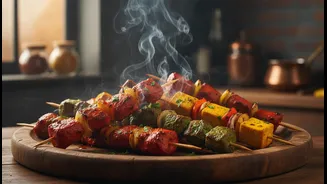
The secret to a memorable vegetarian kebab board is choosing a few star players and supporting them with complementary tastes and textures. Don’t try to do everything at once. Select three distinct types of vegetarian kebabs to be the centrepiece of your platter. This gives your guests variety without causing flavour overload. Good choices include the ever-popular Paneer Tikka, with its spiced, grilled cubes of fresh cheese, the soft, melt-in-your-mouth Dahi ke Kabab, and the vibrant green Hara Bhara Kebab. Each offers a different texture and taste profile, creating a more interesting and satisfying experience for everyone.
The Key Vegetarian Kebab Players
For a truly balanced board, consider a mix of textures and flavours. Paneer kebabs offer a hearty, satisfying bite. Hara Bhara Kebabs, which translates to 'full of greens', are patties made from spinach, peas, and potatoes, offering a soft texture and earthy flavour. They are a nutritious and delicious option that adds a beautiful colour to your board. Finally, Dahi ke Kabab provides a completely different experience. Made from hung curd, these delicate, creamy patties are tangy and soft on the inside while being crisp on the outside, a testament to the ingenuity of Awadhi cuisine.
The Essential Supporting Cast
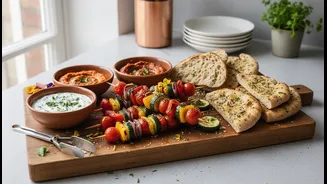
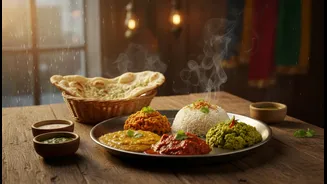
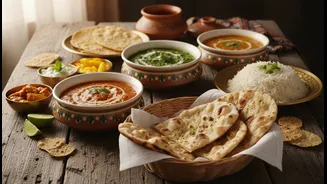
Once your kebabs are chosen, it's time to add the supporting acts. A good snack board is all about the accompaniments. Offer at least two dips. A classic mint-coriander chutney is non-negotiable, providing a fresh, spicy kick. For a creamier, milder option, consider a simple yogurt dip or even hummus. Next, add some bread. Warm naan cut into triangles, fluffy pita, or small parathas are perfect for scooping up dips and pairing with the kebabs. Finally, round out the board with fresh and pickled elements to cut through the richness. A small bowl of pickled onions, some crunchy cucumber slices, and lemon wedges for squeezing over the kebabs will elevate the entire spread from a simple snack to a full-fledged feast.