





The Aggressive Towel Turban
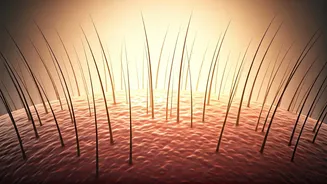
That vigorous, head-flipping towel wrap you learned as a kid is a major culprit for hair damage. The rough fibres of a standard cotton towel create friction that lifts and tears at your hair’s cuticle—its protective outer layer. When the cuticle is raised,
hair looks frizzy, loses shine, and becomes prone to tangling and breakage. Twisting your hair tightly into a towel also puts physical stress on the strands, which are already weakened and more elastic when wet. This can lead to stretching and snapping right at the root.
What to Do Instead: Blot and Squeeze
Ditch the rough towel. The best alternative is a soft microfibre towel or even an old, clean cotton t-shirt. Instead of rubbing your hair, gently squeeze and blot the water out, working in sections. This method absorbs excess moisture without roughing up the cuticle or creating unnecessary friction. If you love the convenience of a turban, look for one made of microfibre or bamboo fabric. This simple switch can dramatically reduce frizz and prevent the mechanical damage that makes hair look dull and unhealthy.
Brushing from Root to Tip
Raking a brush through your soaking wet hair from top to bottom is asking for trouble. Wet hair can stretch up to 50% of its original length without returning to its shape, and brushing it aggressively puts immense tension on the strands. When the brush hits a knot, your hair doesn't have the strength to resist and simply snaps. This is a primary cause of split ends and those shorter, flyaway hairs around your crown that never seem to grow out. You are literally pulling your hair apart.
What to Do Instead: Comb from Ends Up
Patience is key. First, apply a leave-in conditioner or detangling spray to provide some 'slip'. Then, use a wide-tooth comb—not a brush. Start combing at the very ends of your hair, gently working through any tangles there. Once the ends are clear, move a few inches up and repeat the process. Continue this method until you reach the roots. By working your way up, you avoid pulling a small knot into a giant, hair-breaking tangle near the bottom.
Blasting It with High Heat
Going straight from a dripping wet state to a high-heat blow-dryer or styling tool is like boiling your hair from the inside out. The intense heat causes the water trapped inside the hair shaft to turn into steam and expand rapidly, creating tiny bubbles that permanently damage the hair’s internal structure. This phenomenon, known as 'bubble hair', creates weak spots that lead to breakage and a coarse, brittle texture. It also strips your hair of its natural moisture, leaving it dry and lifeless.
What to Do Instead: Air-Dry and Protect
Always let your hair air-dry or towel-blot until it’s at least 60-70% dry before introducing any heat. When you do use a blow-dryer, keep it on a medium or low heat setting and hold it at a distance. Most importantly, never use heat without a thermal protectant spray. These products create a barrier between your hair and the tool, helping to distribute heat more evenly and reduce the damage. Think of it as sunscreen for your hair—a non-negotiable step.
Sleeping on Wet Hair
While it might seem like a time-saver, going to bed with a wet scalp creates a warm, damp environment that is an ideal breeding ground for bacteria and fungus, including Malassezia, a yeast linked to dandruff. This can lead to scalp irritation, itchiness, and other dermatological issues. Beyond the scalp, the friction from tossing and turning on a pillowcase all night can cause significant breakage and tangling, leaving you with a 'bed head' that's actually a sign of distress.