








Gurgaon’s Reign as the Convenient Cousin
For years, if you wanted to live in the most “convenient” part of NCR, the answer was often Gurgaon or the tonier parts of South Delhi. This wasn't just about perception; it was a reality built on infrastructure. Proximity to IGI Airport was a massive
draw for frequent flyers and corporate executives. Gurgaon’s gleaming office towers, home to multinational corporations, created a self-sustaining ecosystem of jobs, premium housing, and vibrant social hubs like Cyber Hub. This concentration of economic activity meant that for many, living on the western side of NCR wasn't just a choice—it was a necessity for career growth and a certain lifestyle, even if it came with higher rents and notorious traffic snarls. Noida, while well-planned and more affordable, was often seen as the quieter, more residential counterpart, a bit too far from the primary international gateway.
A New Aviation Hub Rises in the East
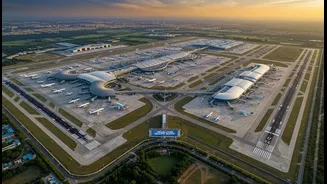
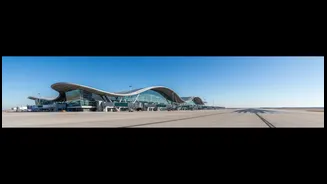
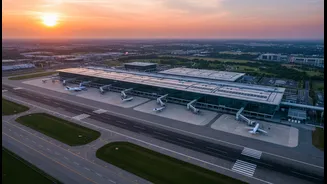
The game-changer is the Noida International Airport (NIA) at Jewar, which commenced commercial flight operations on June 15, 2026. Developed by Zurich Airport International, NIA is not just an overflow airport; it's a massive greenfield project designed to be a primary gateway for the region. The first phase alone is built to handle 12 million passengers annually, with a 3,900-metre runway equipped with advanced landing systems to mitigate fog-related disruptions common in North India. Initially served by carriers like IndiGo and Akasa Air, the airport is rapidly expanding its domestic network, with plans to significantly increase daily flights and destinations. More importantly, international flights are anticipated to begin by the end of 2026, which will cement its status as a true alternative to Delhi's IGI Airport.
The Connectivity Web Weaving a New Map
An airport is only as convenient as the routes that lead to it. Understanding this, a multi-modal web of connectivity is being spun around NIA. The most direct route is the Yamuna Expressway, providing a fast, signal-free corridor from Noida and Greater Noida. But the bigger story lies in the upcoming projects. A 72-km Regional Rapid Transit System (RRTS) corridor is planned to connect Ghaziabad to the airport, promising travel times of under 50 minutes. This line will integrate with the Delhi Metro, creating a seamless public transport link across NCR. Furthermore, the proposed Delhi-Varanasi bullet train corridor includes a stop at the airport, which would drastically cut travel times. Road connectivity is also being bolstered, with expressways linking the airport to major arteries like the Delhi-Mumbai Expressway. This network is designed to make reaching Jewar as easy, if not easier, than getting to IGI for a significant portion of NCR's population.
Real Estate and Business: Following the Flight Path
The impact on the ground is already palpable. The Yamuna Expressway Industrial Development Authority (YEIDA) region, once seen as a distant investment, is now a real estate hotspot. Property values, for both plots and apartments, have seen a significant appreciation since the airport's development gained momentum. Real estate experts project that capital values in the area could see sustained annual growth of 15-20% in the coming years. It's not just residential demand; the airport is an economic engine. The Yamuna Expressway Industrial Development Authority is developing a massive industrial and economic corridor between Jewar and Tappal, designed to house manufacturing, logistics parks, and commercial hubs. This planned development is expected to attract global companies and create a new employment nucleus, much like what happened around Gurgaon decades ago.