





Neem: The Traditional Germ-Fighter
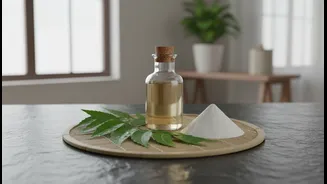
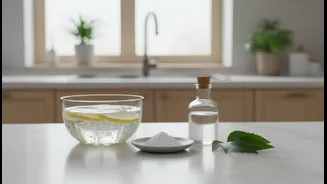
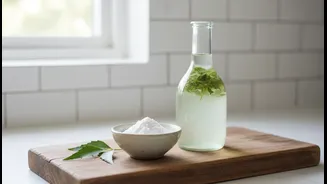
Neem has been a cornerstone of Indian home care for centuries, prized for its natural antibacterial and antifungal properties. During the monsoon, when humidity encourages pests and germs, neem is an excellent ally. Boiling a handful of neem leaves in water
creates a potent liquid that, once strained and cooled, can be added to your mopping bucket. This not only helps in disinfecting floors but also acts as a natural insect repellent, discouraging ants and other pests that seek shelter indoors during the rains. For wardrobes and bookshelves prone to mildew and silverfish, placing small cloth bags filled with dried neem leaves can absorb moisture and protect your clothes and books. While highly effective, be mindful of its distinct, strong scent, which some may find overpowering.
Vinegar: The Potent Mould-Buster
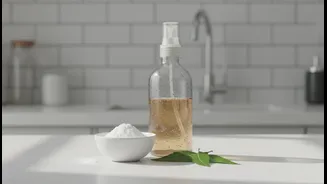
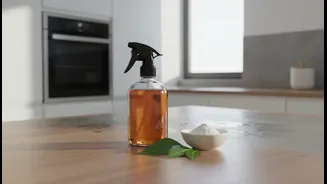
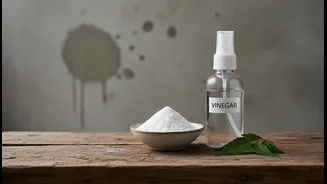
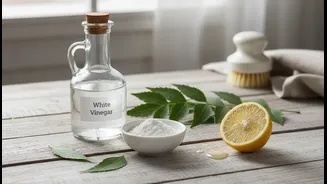
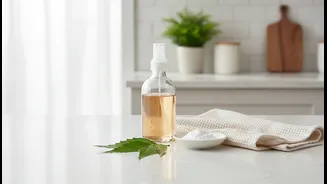
When you see fuzzy black or green spots appearing on walls, tiles, or window sills, white vinegar is your go-to solution. Its acidic nature is highly effective at killing many common species of household mould. For a powerful anti-mould spray, fill a bottle with undiluted white vinegar. Spray it directly onto the mouldy surface, let it sit for at least an hour to break down the growth, and then scrub the area clean. Unlike bleach, which can just whiten the mould without killing its roots, vinegar gets to the source. It’s also great for general surface cleaning when diluted with water, cutting through grime on countertops and glass. A crucial word of caution: never use vinegar on natural stone surfaces like marble or granite, as its acidity can etch and damage the finish.
Baking Soda: The Odour and Moisture Absorber
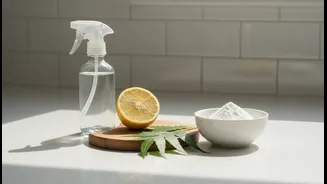
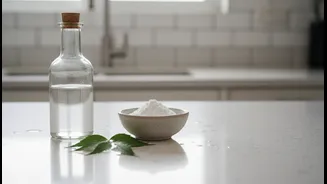
That persistent musty smell in cupboards and the damp feeling on carpets are classic monsoon challenges. This is where baking soda (sodium bicarbonate) shines. It is a fantastic natural deodoriser that doesn't just mask odours but absorbs them. To freshen up a musty room or closet, simply place an open bowl of baking soda to soak up smells and excess moisture. You can sprinkle it liberally on carpets and upholstery, let it sit for about 15-20 minutes, and then vacuum it up to lift away damp odours. Its gentle abrasive quality also makes it a great scrubbing agent. A paste of baking soda and water can be used to clean sinks, tiles, and even stained mugs without scratching the surface.
Know Their Roles, and Never Mix
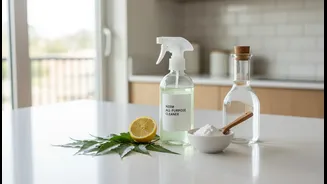
While each of these ingredients is a cleaning powerhouse on its own, they are not interchangeable, and they should not be mixed. The most common mistake is combining baking soda and vinegar. When the alkaline baking soda (a base) mixes with acidic vinegar, they react to neutralize each other, producing carbon dioxide gas and salty water. The impressive fizzing action is just the reaction happening, but the resulting liquid has very little cleaning power. For the best results, use them separately. Use vinegar to kill mould. Follow up later by using a baking soda paste to scrub stains and absorb any lingering smells. Think of them as individual specialists in your cleaning toolkit, not a combined all-purpose cleaner.
Your Monsoon Cleaning Strategy
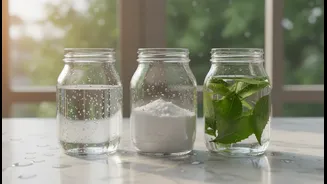
The smartest approach is to assign each cleaner a specific task. Use neem-infused water for your daily floor mopping to keep germs and insects at bay. Reserve white vinegar for targeted attacks on mould and for disinfecting hard, non-stone surfaces like bathroom tiles and kitchen sinks. Keep baking soda on hand to deodorize everything from your refrigerator to your carpets and to use as a gentle scrub for delicate surfaces. By understanding the unique strengths of each, you can tackle every monsoon cleaning challenge effectively, keeping your home fresh, hygienic, and safe without relying on harsh chemicals.