

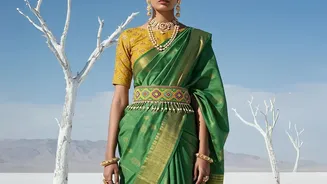
From Occasion-Wear to Daily Staple
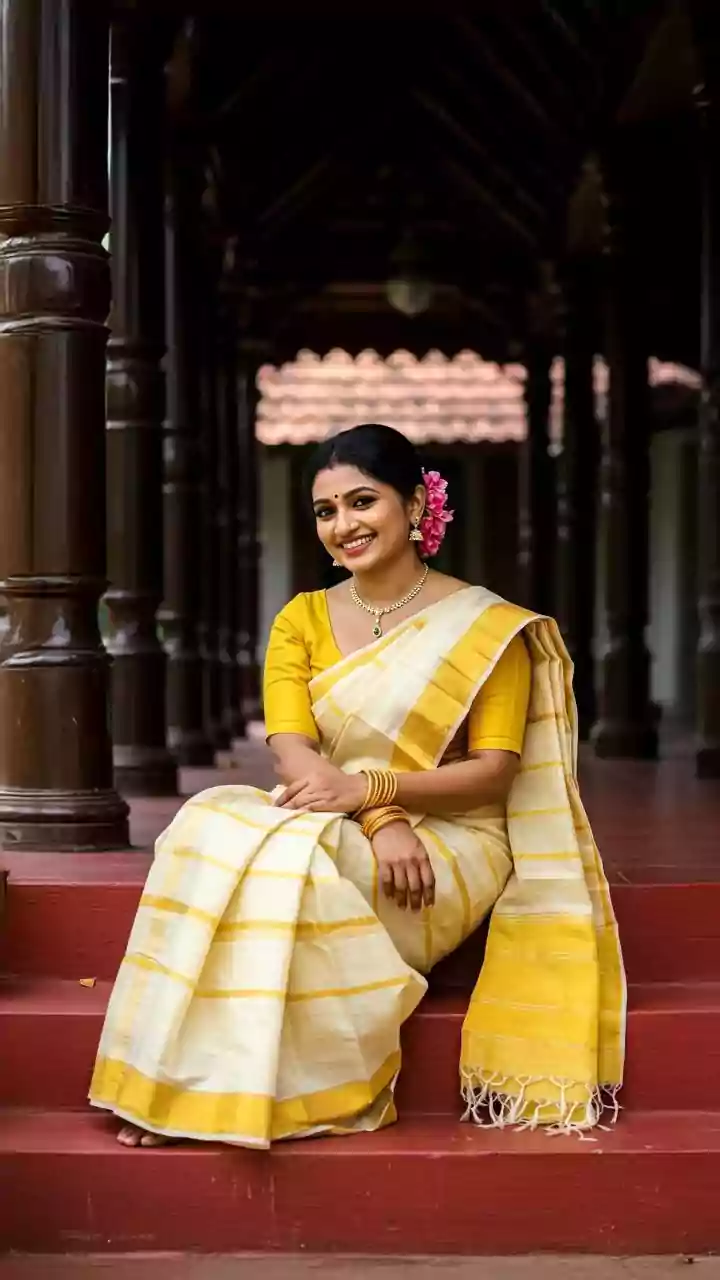
For generations, handloom pieces were treasures brought out for weddings and festivals—a grandmother’s rich silk saree or a father’s ceremonial shawl. Their value was tied to their rarity and ceremonial importance. Today, that perception is changing.
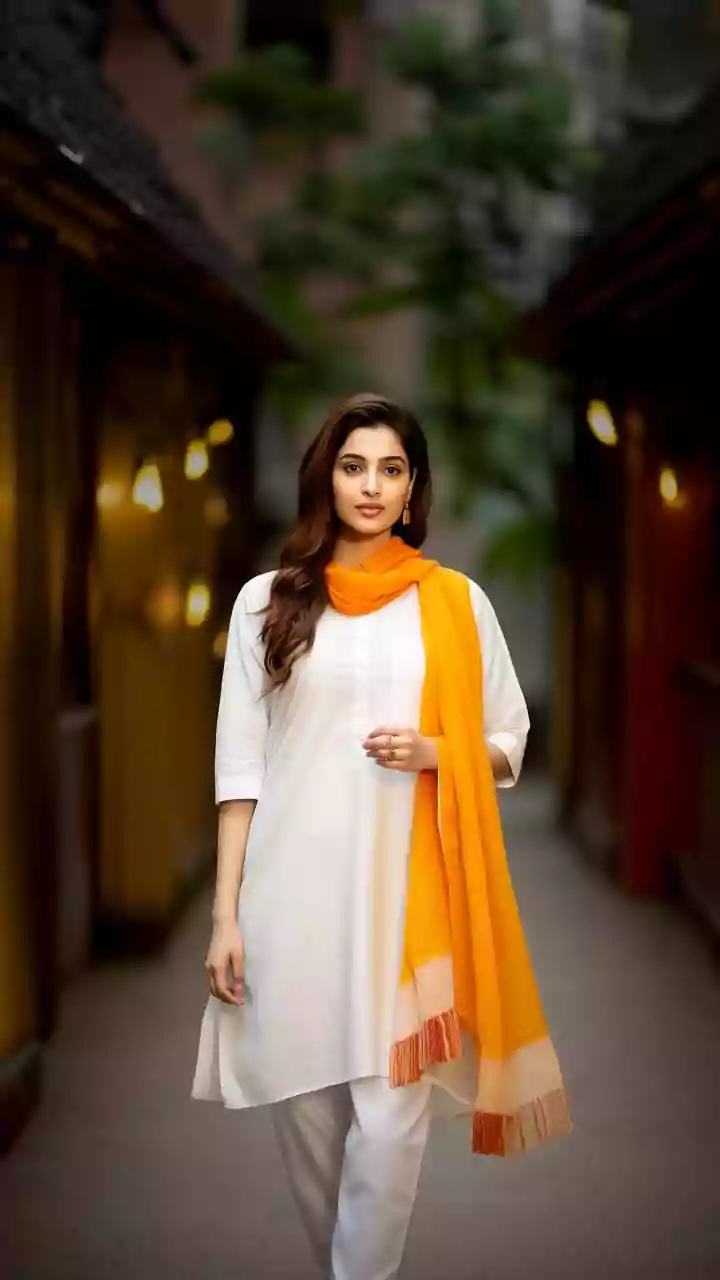
Designers and homegrown brands are transforming fabrics like Khadi, Ikat, and Chanderi into jumpsuits, jackets, and comfortable separates suitable for daily life. This transition from festive to functional marks a significant evolution. The handloom is no longer just a piece of history to be preserved; it has become a practical and stylish part of modern Indian wardrobes, celebrated for its breathability and comfort in the Indian climate.
A Conscious Choice Against Fast Fashion
The return to handloom is deeply connected to a growing awareness of fast fashion's environmental and ethical problems. As consumers become more conscious of their choices, they are seeking alternatives that are sustainable and meaningful. Handloom production, with its low energy consumption, use of natural fibres, and eco-friendly dyes, offers a compelling solution. Choosing a handwoven garment is a vote for 'slow fashion'—a movement that prioritizes quality, longevity, and a transparent production process over fleeting trends. It reflects a desire for authenticity and a connection to the story behind the clothes we wear, a quality mass-produced items cannot replicate.
The Human Story in Every Thread
Perhaps the most powerful driver of the handloom revival is the human connection it represents. Each handwoven fabric tells a story of skill, patience, and heritage passed down through generations. Buying handloom directly supports the livelihoods of India's approximately 3.5 million weavers, over 70% of whom are women in rural areas. In an increasingly digital and disconnected world, wearing something made by human hands offers a tangible link to a person and a community. This support helps preserve ancient weaving techniques and empowers artisans, ensuring their craft has a future and is not just a relic of the past.
Innovation Meets Tradition
This revival isn't about simply recreating old designs. A new generation of designers is proving that handloom can be modern and forward-thinking. They are experimenting with contemporary silhouettes, unconventional colour palettes, and innovative blends of traditional fabrics. Digital platforms and e-commerce have also played a crucial role, cutting out middlemen and connecting weavers directly with a global audience. This fusion of old and new is making handloom more accessible and appealing to younger consumers, who value both heritage and individuality.
The Challenges Ahead
Despite its growing popularity, the handloom sector faces significant challenges. Competition from cheaper, machine-made powerloom fabrics remains a major threat. The rising cost of raw materials like cotton and silk can make authentic handloom products expensive. Furthermore, the industry is grappling with an aging workforce, as younger generations often seek more stable and lucrative employment outside of weaving. For the revival to be sustainable, it needs consistent support through better market access, fair pricing, and investment in skill development to make weaving an aspirational profession for the next generation.