






Before You Even Leave
A smooth reentry begins before you even pack your bags. The jarring contrast between a relaxing getaway and a chaotic home is a primary cause of post-holiday stress. To combat this, prepare your home for your return. Do a basic clean, take out the trash,
and, most importantly, make your bed with fresh linens. Knowing you're coming back to a clean, calm space can significantly reduce anxiety. It's also wise to stock your pantry or freezer with essentials for a simple first meal back, or even schedule a grocery delivery for your return day. This eliminates the immediate pressure of errands. On the work front, spend a little time planning your first day back. Identify one or two key priorities so you know exactly where to start, which can help you feel more in control and less overwhelmed by a flood of emails.
Master the Journey Home
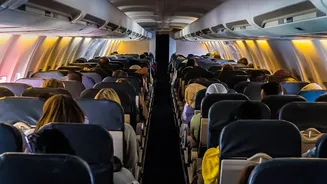
Treat the travel day back not as the end of the holiday, but as a crucial transition period. If possible, avoid booking the last flight or train of the day. Arriving home exhausted and late at night makes for a stressful start to your return. Instead, aim to get home with a few hours to spare. This buffer allows you to unpack immediately and begin to settle in without rushing. When you pack for the trip home, separate dirty laundry into a designated bag. This small act of organisation makes tackling the laundry far less daunting upon your return; you can simply empty the bag straight into the washing machine. Use the travel time to mentally prepare for the week ahead by reviewing your calendar. This helps reorient your mind and avoids the shock of unexpected commitments on your first day back.
Create a 24-Hour Buffer
The first 24 hours back are critical for easing the transition. If your schedule allows, give yourself a “buffer day” between arriving home and returning to work. This provides time to decompress, unpack, and handle personal chores without the added pressure of professional responsibilities. On your first day back at your desk, don't expect to operate at 100% capacity. Give yourself permission for a slow ramp-up. Block off the first morning for organising your inbox and planning your week, rather than diving into intense meetings. Focus on lighter, simpler tasks first to allow your brain time to adjust. Trying to multitask immediately will only increase stress and decrease efficiency. Acknowledge that you might feel a bit down—the post-vacation blues are a common experience—and be kind to yourself as you readjust.
Preserve the Holiday Glow
The benefits of a vacation, no matter how short, can fade quickly if you fall right back into stressful patterns. To extend the positive effects, consciously incorporate elements of your break into your daily life. If you enjoyed morning walks on your trip, try to continue them at home. Reconnect with colleagues on a personal level before diving into work demands; schedule a coffee chat to hear what you missed. One of the most effective ways to combat the post-holiday slump is to have something new to look forward to. This doesn't have to be another trip. It could be a dinner with friends, a visit to a museum, or starting a new book. By planning small, enjoyable activities, you create positive anticipation and remind yourself that life isn't just about work and responsibilities.