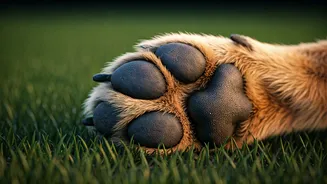




What Exactly Is Paw Pododermatitis?
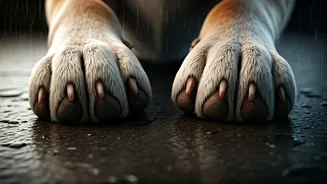
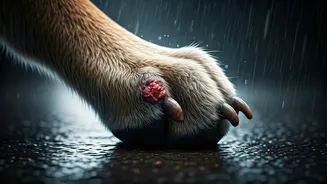
Pododermatitis is not a disease itself, but a medical term for inflammation of the skin on a dog's paws. It can affect the paw pads, the skin between the toes, the nail folds, or a combination of these areas. The inflammation can be caused by a variety
of factors, including allergies, mites, foreign bodies like thorns, or trauma. However, the most common trigger, especially during the monsoon, is a secondary infection from bacteria or fungi that are naturally present on a dog's skin. When conditions are right, these organisms can multiply uncontrollably, turning a minor irritation into a painful infection.
The Monsoon and Humidity Connection
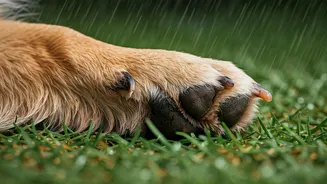
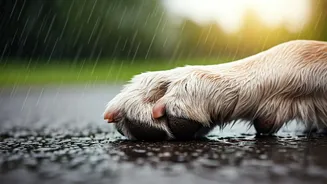
The Indian monsoon's defining feature is high humidity, and this is the main reason pododermatitis cases spike. Constant moisture in the air means your dog's coat and paws never fully dry. This humidity does two things: first, it softens the skin on the paw pads, weakening their natural protective barrier and making them more susceptible to injury and infection. Second, the warm, damp environment, particularly in the enclosed spaces between a dog's toes, becomes a perfect breeding ground for bacteria (like Staphylococcus) and yeast (like Malassezia). Every walk through a muddy puddle or damp grass introduces more moisture and potential pathogens, creating a cycle that can be hard to break.
Signs and Symptoms to Watch For
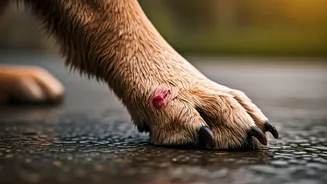
Early detection is key to preventing a minor issue from becoming a serious problem. As a pet parent, you should be vigilant for signs of paw discomfort. The most obvious sign is your dog excessively licking, chewing, or biting at their paws. Upon closer inspection, you might notice redness, swelling, or an unpleasant, musty odour. Other tell-tale symptoms include hair loss on the paws, the appearance of painful boils or nodules between the toes (which may ooze pus or blood), and limping or reluctance to walk. You may also see reddish-brown staining on the fur around the paws, which is caused by saliva.
A Five-Step Prevention Plan
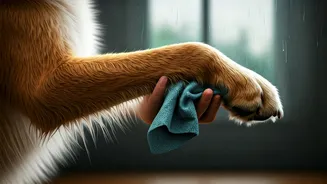
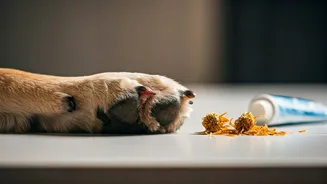
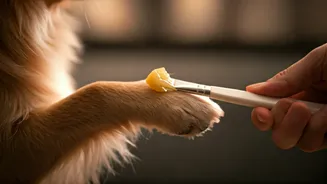
Prevention is far better than cure. The most crucial habit is to thoroughly clean and dry your dog’s paws after every single walk. Use a clean cloth and pay special attention to the area between the toes. Second, keep the fur between the paw pads trimmed short to prevent mud and moisture from getting trapped. Third, consider using a protective paw balm before walks to create a barrier against moisture. Fourth, avoid walks during heavy downpours and steer clear of waterlogged streets and stagnant puddles, which can harbour dangerous bacteria. Finally, ensure your dog's bedding and your home are kept as clean and dry as possible to reduce overall humidity and fungal growth.
When to Consult Your Veterinarian
While good hygiene can prevent many issues, some cases require professional medical help. If you notice persistent limping, significant pain, open sores, or a foul-smelling discharge, it's time to see the vet. Do not attempt to treat deep infections or nodules at home. A veterinarian can accurately diagnose the underlying cause of the pododermatitis through skin scrapings or cytology. Treatment will depend on the cause but may include medicated shampoos, topical wipes, oral antibiotics or antifungals for infections, or steroids to reduce inflammation. Following your vet's treatment plan diligently is essential for a full recovery.